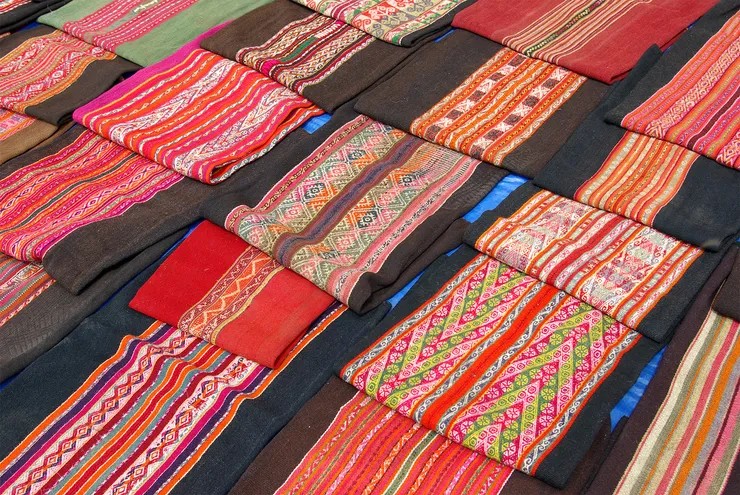
In the past, the word “textile” meant something very specific. It referred only to woven fabrics. to earn the title, you need to move one thread above and below the other. This definition is obsolete. The term now covers almost anything that looks or feels like fabric. Also includes knitted jersey fabrics. It includes bonded sheets. Also includes a felt. It even includes tufted rugs. However, the core concept remains the same. The goal is to turn thin threads into usable materials.
Raw materials tell a lot about human ingenuity. We start with fibres. These come from two different sources. First, there are natural fibers. Wool is the classic example. Cotton is another. These come from plants and animals. Second, there are synthetic fibres. nylon. polyester. These are made from chemicals. This process involves converting chemicals into filaments. Those filaments become yarns. The yarns become fabrics. The result is the textile itself.
This material is everywhere. You might be touching one of them right now. The clothes on your back are made of fabric. The sheets are made of fabric. The curtains blocking the sunlight are textiles. The upholstery of the sofa is textile. The book you are reading may also have a cloth binding. Its scope extends far beyond personal use. Industry is heavily dependent on textiles. It is also used in car interiors. It is also used in medical supplies. Building materials use them.
Why is this distinction important? Because the application area determines the material selection. A parachute requires strength. We use synthetic fibers. Sweaters should be warm. We use natural wool. The chemistry changes based on the need. Weaving and knitting methods can be changed according to your wishes. The result is a versatile category of goods. It shapes our daily lives in ways we rarely stop to think about.
Textiles are more than fabrics. They are filaments, fibers or yarns that are used to make fabrics such as knitted, bonded, felted and tufted materials.
The evolution from simple weaving to complex chemical synthesis is impressive. It started with scratching wool off a sheep. It ended with synthesizing polymers in a lab. Both outcomes produce the same thing. flexible sheet. A wearable surface. A covering. Definitions are constantly expanding to keep pace with innovation. If it is made of fibers and formed into fabric, it is a textile. It’s simple enough. Complex in execution. Essential in function.