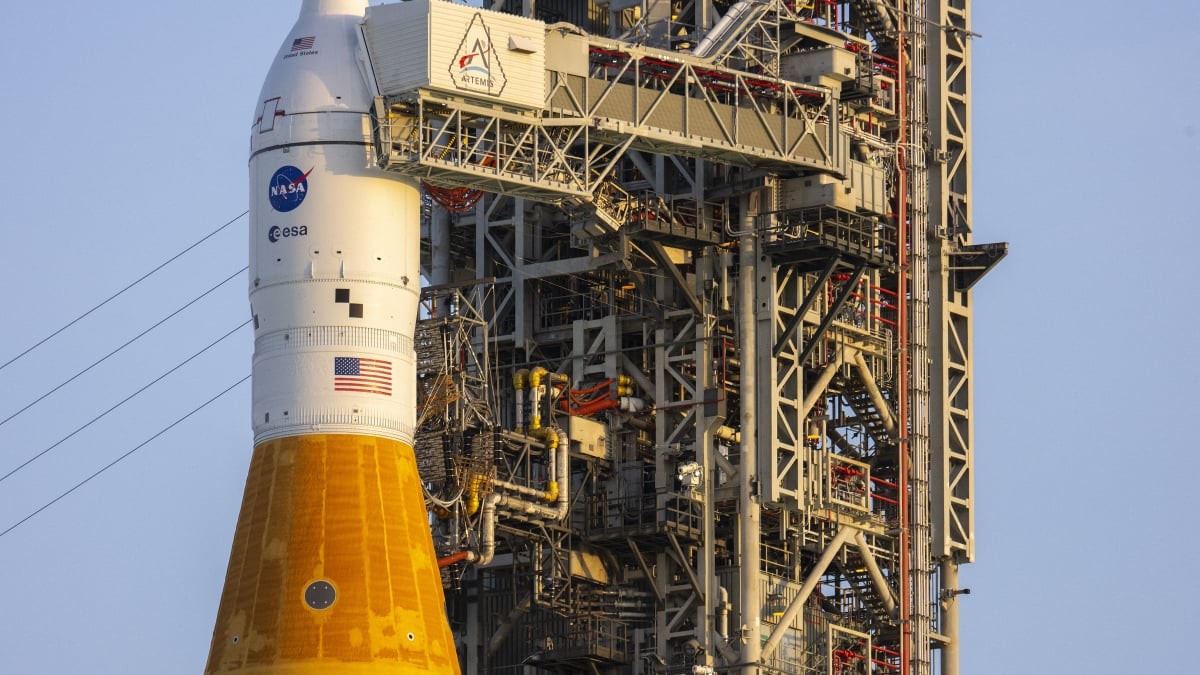
NASA’s Artemis II mission is underway, broadcasting live footage from beyond Earth as the Orion spacecraft carries four astronauts on a ten-day lunar voyage – the first crewed mission to orbit the Moon since 1972. The crew, consisting of Commander Reid Wiseman, pilot Victor Glover, mission specialist Christina Koch, and Canadian Space Agency astronaut Jeremy Hansen, launched from Kennedy Space Center on April 1st.
Breaking Distance Records and First-Time Views 🛰️
This mission isn’t just a return to lunar orbit; it’s pushing boundaries. Koch and Glover are poised to set new spaceflight records for women and people of color, exceeding the altitude of the International Space Station (roughly 250 miles). The spacecraft has already begun transmitting stunning images of Earth from a greater distance than any crewed mission in decades, echoing the public fascination sparked by the uncrewed Artemis I mission in 2022.
The livestream, available through NASA, covers the entire journey from ascent to splashdown, scheduled for April 10th off the coast of San Diego. U.S. Navy teams will recover the crew and capsule upon return.
Unseen Lunar Territory 🌑
A key moment will occur on Flight Day 6, when Orion passes behind the Moon. This maneuver will set a new record for the farthest distance traveled by humans in space, but more importantly, it will allow the astronauts to photograph the lunar far side – a region never directly observed by human eyes. During a 45-minute communications blackout, the crew will capture images of this previously unseen terrain, providing invaluable data for future lunar exploration.
This mission represents a pivotal moment in space exploration, not just for its technical achievements but for its symbolic significance. It demonstrates renewed commitment to deep-space travel and sets the stage for long-term lunar presence.
The Artemis II mission is a bold step forward, combining record-breaking travel with unprecedented observation opportunities, all streamed live for global audiences.