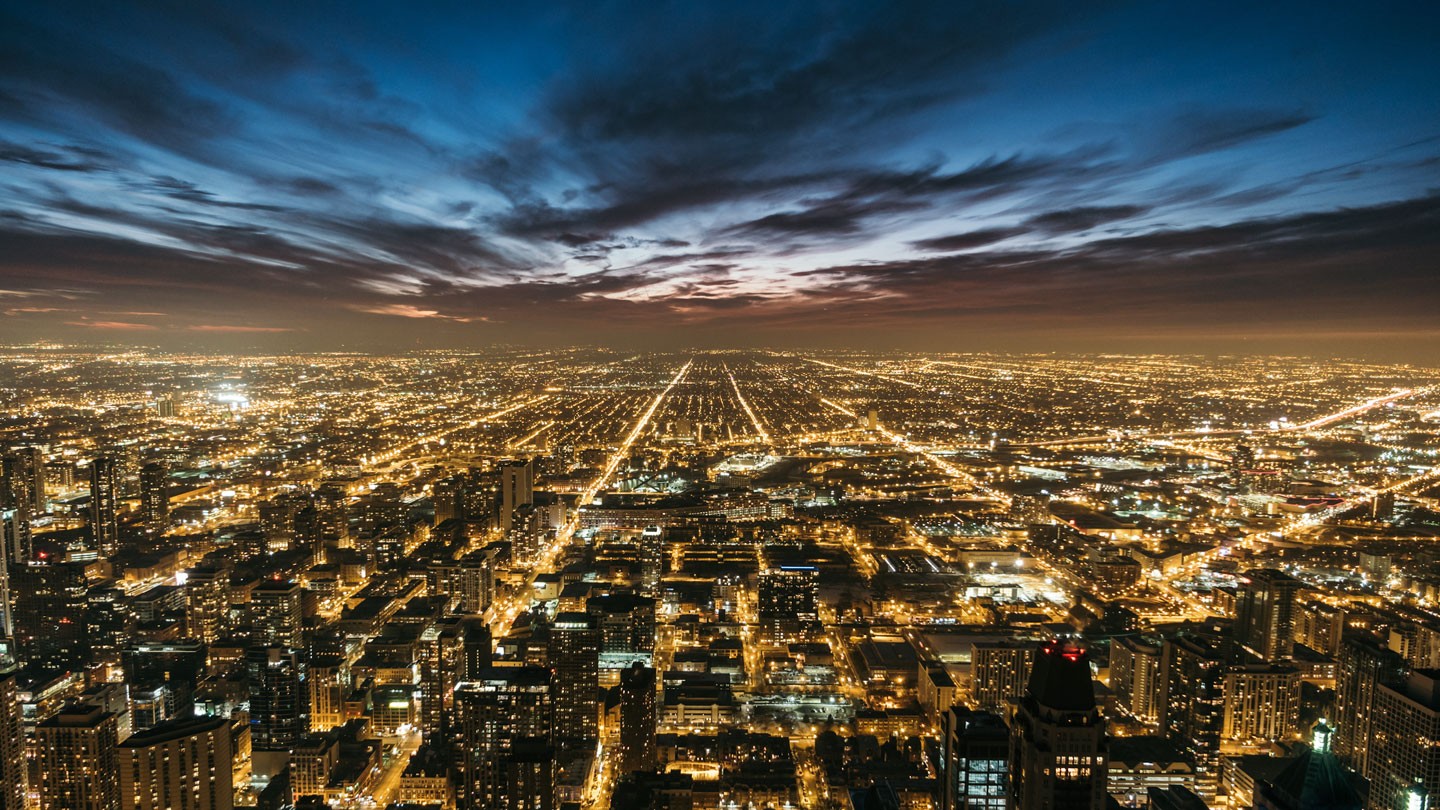
Skyscrapers don’t just change the shape of a city; they also change the sky above it. A new study reveals that urban areas consistently have more cloud cover than surrounding rural lands, a phenomenon driven by the unique atmospheric effects of dense building structures.
Urban Heat and Atmospheric Conditions
For years, scientists have known cities trap heat. This temperature difference between urban and rural areas influences how clouds form, but past studies haven’t captured the full picture. The new research, published in Nature Communications, analyzed two decades of satellite observations (2002–2020) across 44 major U.S. cities. The results: urban areas averaged between 1% and 15% more cloud cover than nearby rural regions.
Building Design Matters
The key isn’t just the size of a city but how it’s built. Researchers grouped neighborhoods by design: high-rise towers versus shorter, spread-out structures. The analysis showed that cities with taller buildings relative to street width saw the strongest increases in cloud formation. In contrast, tightly packed, dense cities had weaker effects. This difference comes down to how buildings alter wind flow and trap heat.
How Skyscrapers Create Clouds
Computer simulations explain why:
– Taller buildings enhance upward air motion. This lifts warm, moist air, creating shallow clouds.
– Dense buildings reduce vertical mixing. They limit airflow, reducing cloud formation.
The effect is especially noticeable at night, when calmer winds allow warm air to rise more easily.
Why This Matters
Understanding how cities impact cloud formation is more than just interesting weather trivia. Clouds influence rainfall patterns, heat retention, and even the effectiveness of rooftop solar panels. The study is a first step toward predicting how urban development will affect local climate and extreme weather events. Future research will focus on how these cloud changes translate into rainfall patterns and the risk of heavy precipitation.