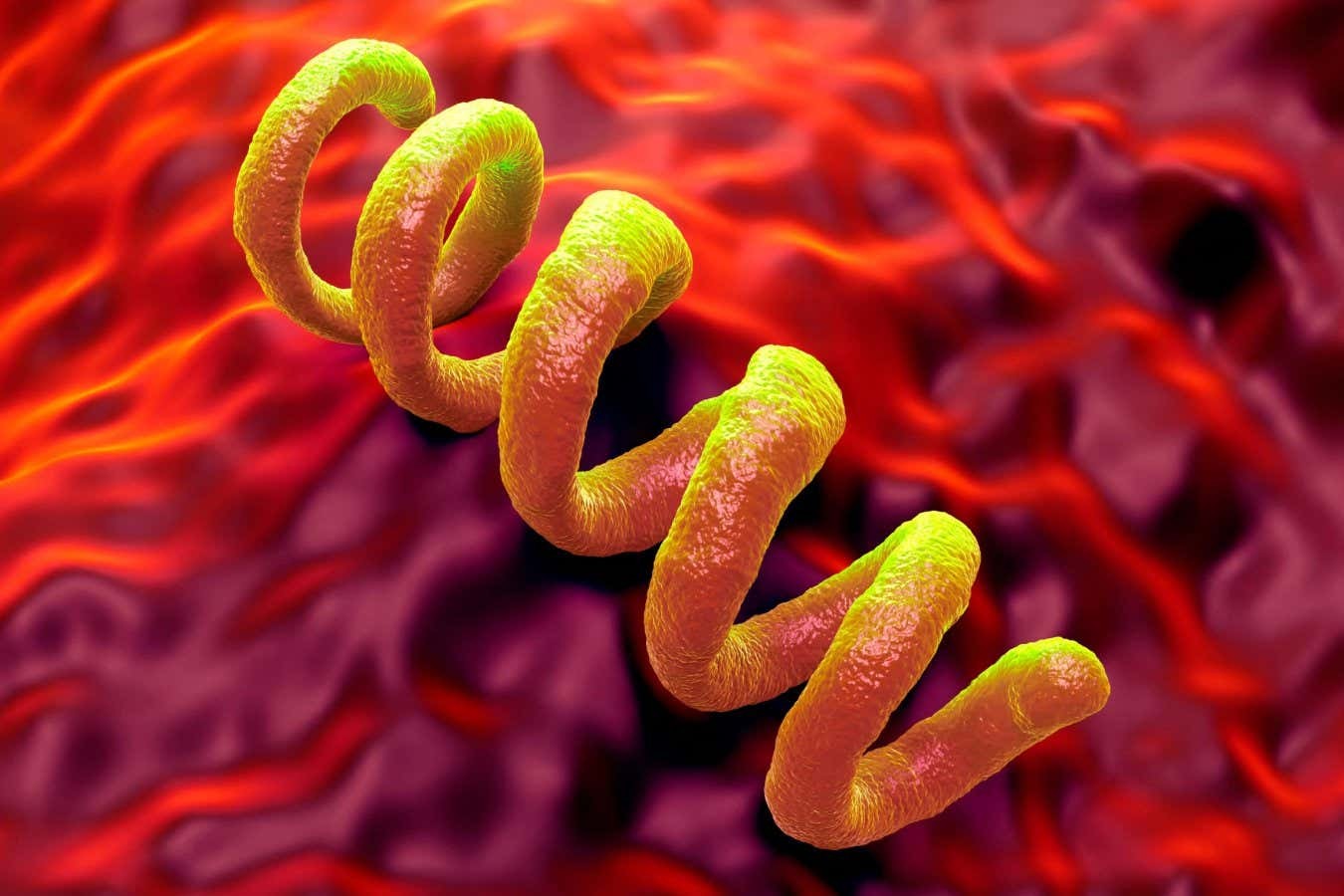
A 5,000-year-old bacterium discovered in Colombia shifts understanding of syphilis’ origins, suggesting the disease infected humans long before the rise of agriculture. The find challenges assumptions about when and how common diseases emerged, raising questions about ancient disease reservoirs and pathogen evolution.
Ancient DNA Reveals Unexpected Early Infection
Researchers analyzing a 5,500-year-old human bone discovered the genome of Treponema pallidum – the bacterium responsible for syphilis, bejel, and yaws – in a sample from the Bogotá savannah. This is surprising because the individual showed no skeletal signs of infection, suggesting the bacterium may have existed in humans without causing immediate detectable symptoms.
The discovery fundamentally alters our timeline. Previously, most infectious diseases were believed to have spread rapidly only after the advent of settled agriculture, when denser populations provided easier transmission routes. However, this ancient strain predates intensive farming by millennia, meaning early human hunter-gatherer groups were already exposed to these pathogens.
A Diversified History of Treponema
The ancient genome doesn’t match any known modern strains. This implies that the Treponema family was already diversifying in the Americas thousands of years ago. Crucially, the ancient strain appears to have retained genetic traits that make modern strains harmful, meaning early infections were likely severe.
This finding underscores a long-term co-evolution between Treponema and human populations. Scientists now believe that these bacteria may have been infecting humans across the globe for far longer than previously imagined. The discovery could also shed light on “missing” pathogens like Treponema carateum, which causes the skin disease pinta but has never been genetically verified.
Implications for Pathogen Research
Understanding how these ancient pathogens evolved is essential for combating modern diseases. By identifying the genetic quirks that allow Treponema to infect new hosts and increase its virulence, researchers may unlock new strategies to prevent future outbreaks.
“Our results can tell us a lot about the long-term evolutionary history of [this bacterium] by revealing a long-standing association with human populations,” says Davide Bozzi at the University of Lausanne.
The study raises further questions: were there extinct strains of Treponema that caused different diseases in the past? What additional ancient genomes might reveal about the full scope of this pathogen’s history? These investigations will be critical for understanding how pathogens evolve, adapt, and continue to pose threats to human health.
The discovery of this ancient Treponema strain is a pivotal moment in disease history, forcing a reevaluation of long-held assumptions about the origins of infectious diseases and the dynamics of human-pathogen interactions.