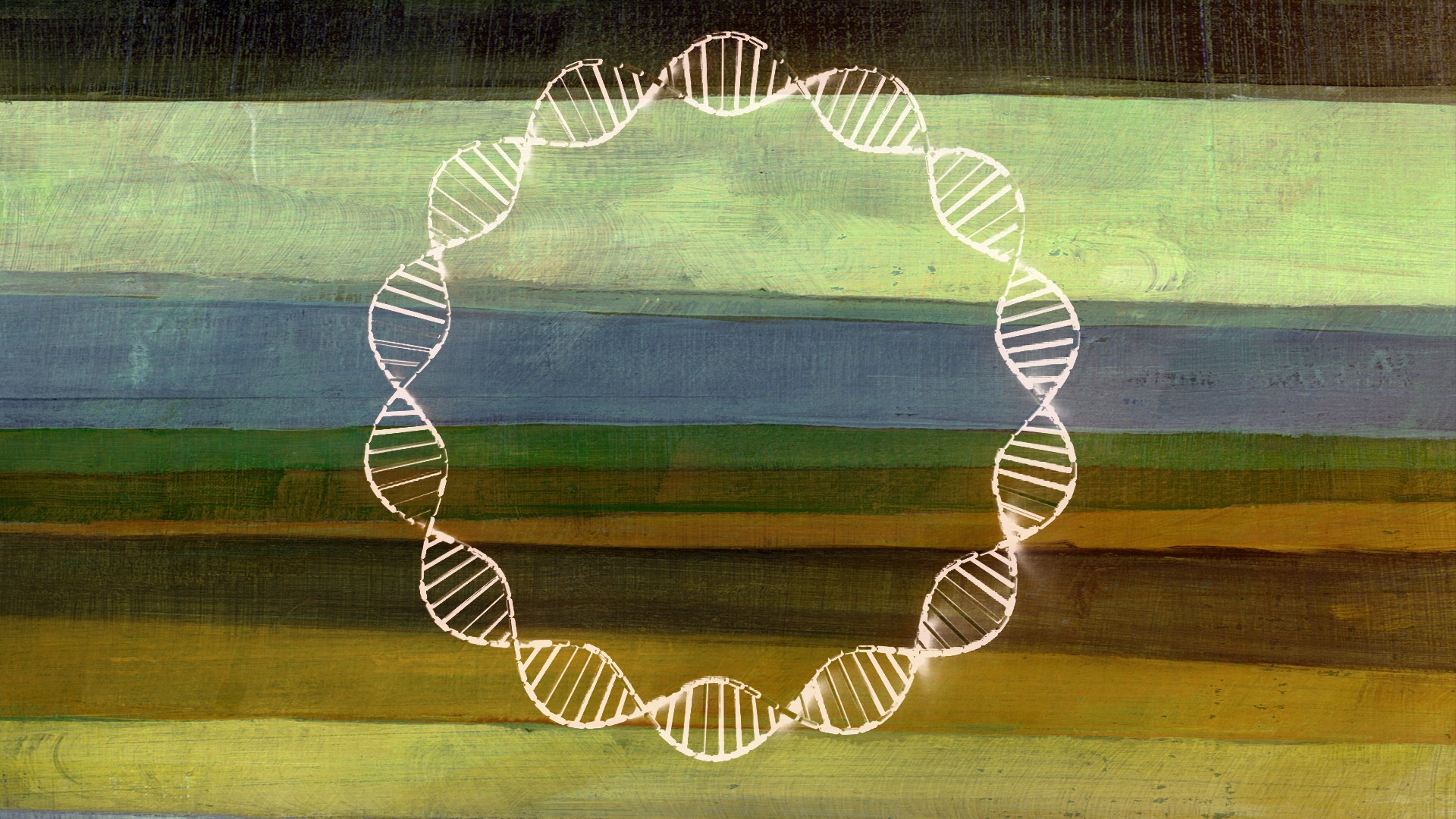
The air, water, and soil around us are saturated with genetic material shed by every living organism. This “environmental DNA” (eDNA) — microscopic traces of DNA left behind by plants, animals, and microbes — is rapidly becoming a powerful tool for tracking biodiversity, detecting invasive species, and understanding how ecosystems are changing right now. While scientists have known about eDNA for decades, advances in DNA sequencing and artificial intelligence (AI) are unlocking its true potential, turning what was once a niche research area into a real-time planetary monitoring system.
The Floating Laboratories of the Future
Imagine a luxury cruise ship equipped with a state-of-the-art laboratory, capable of analyzing water samples to identify the genetic fingerprints of organisms living miles away. This isn’t science fiction; it’s reality aboard Viking’s Octantis, which collaborates with NOAA to study eDNA in the Great Lakes and beyond. The vessel’s onboard labs aren’t just for show: they represent a new era in ecological research, leveraging existing infrastructure (cruise ships traveling these routes anyway) to collect data far more efficiently than traditional expeditions.
The key lies in next-generation sequencing (NGS), which can now analyze entire genomes in a matter of hours. But the sheer volume of data generated presents its own challenge. This is where AI comes in: machine learning algorithms can sift through gigabytes of genetic information, identifying species, tracking population shifts, and even predicting ecological changes with unprecedented speed.
Why eDNA Matters: Beyond Species Detection
The implications extend far beyond simply cataloging what lives where. eDNA analysis can:
- Reveal Hidden Biodiversity: Locate endangered species that are too elusive to find through traditional methods. In one case, eDNA helped rediscover the critically endangered De Winton’s golden mole after 80 years.
- Track Invasive Species: Detect the presence of harmful organisms before they become widespread, allowing for proactive intervention.
- Monitor Ecosystem Health: Identify shifts in species composition that indicate environmental stress, like pollution or climate change impacts. For instance, changes in phytoplankton communities – the base of the marine food web – can signal broader ecosystem disruptions.
- Predict Ecological Risks: By analyzing historical genetic data, scientists can forecast how species will respond to future environmental changes.
The Bottleneck: Data and Infrastructure
Despite the progress, eDNA analysis faces a critical hurdle: the lack of a comprehensive, standardized, and publicly accessible genetic database. Currently, an estimated 40,000 eDNA samples collected in the U.S. alone remain scattered across research labs and unpublished studies.
“We need the database of reference to perform the species identification,” explains Letizia Lamperti, a mathematical engineer developing AI systems for eDNA analysis. “The problem is that we don’t have it.”
Building this “dictionary of species” requires significant investment and collaboration. Initiatives like the ATLASea project, which aims to sequence the genomes of 4,500 marine species, are crucial, but scaling up requires sustained funding and standardized data formats.
The Future of Environmental Monitoring
If fully realized, AI-powered eDNA analysis could transform environmental monitoring as dramatically as Alan Turing’s Enigma decryption did for wartime intelligence. Imagine real-time alerts for dangerous organisms in waterways (brain-eating amoebas, sharks) or early warnings for harmful algal blooms, delivered with the same immediacy as weather alerts.
While challenges remain, experts estimate that a fully functional AI-driven eDNA system could be operational within the next five to fifteen years if adequate resources are allocated. The technology is already available; what’s missing is the political will and financial commitment to deploy it at scale.
“It’s not hard; it’s just we’re not resourcing it,” says Zachary Gold, research lead at NOAA’s Pacific Marine Environmental Laboratory. “If we really wanted to do this, we could have the tools and resources ready by the next Olympics.”