


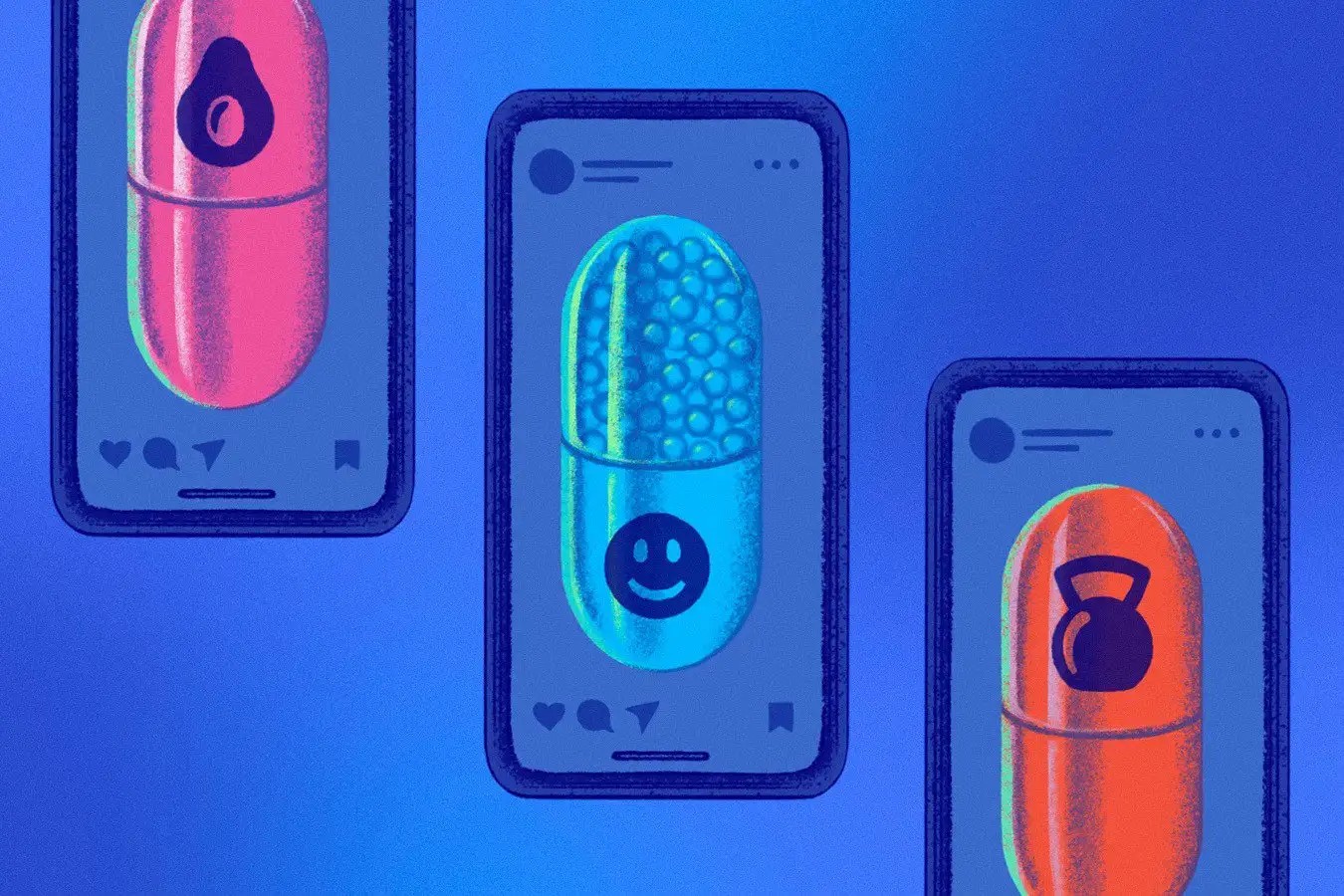
For centuries, money has influenced healthcare – from pharmaceutical marketing to funded research. However, the scale, speed, and intimacy of this influence have drastically changed. A new wave of commercial entities now subtly steers everyday health choices, filling gaps left by overburdened healthcare systems and turning wellness into a commodity.
The Rise of Parallel Health Systems
Historically, doctors held a near-monopoly on medical knowledge. This is rapidly dissolving. A parallel system is emerging, driven by consumer health demands. Start-ups, apps, online clinics, and influencers are all competing for authority and monetizing their influence. Anywhere there’s a need – for care, answers, or reassurance – commercial interests are stepping in.
Today, a solution (and a product) exists for almost every ailment or aspiration. Fitness trackers measure steps and sleep, meditation apps sell calm through subscriptions, and biomarkers are transformed into marketable metrics. Genetic tests and personalized nutrition plans promise self-improvement, often outpacing actual scientific evidence.
The Commodification of Symptoms and Experiences
Our symptoms, traumas, and treatments are being commodified. Podcasters pitch solutions while obscuring conflicts of interest. Influencers monetize their diagnoses. Conditions are turned into memes and merchandise. Even clinicians position themselves as rebels while selling treatments or tests. This isn’t just about individual choices; it’s about a systemic shift.
Much of this occurs online, where regulations struggle to keep pace with rapidly evolving claims and advertisements. Health advice now thrives on platforms designed for entertainment, guided by opaque algorithms. People are increasingly turning to TikTok, YouTube, Instagram, and Facebook for guidance and support.
The Wellness-Industrial Complex and the Commoditized Self
This fusion of pharmaceutical, tech, diagnostic, and supplement brands has created what’s been dubbed the “wellness-industrial complex.” This complex fuels the rise of what the author calls the “commodified self.” This phenomenon is reshaping how we perceive illness, potentially influencing clinical expectations, research priorities, and public health agendas. We are living through a global public-health experiment.
A Response to Systemic Shortcomings
This isn’t solely driven by predatory commercialism. Alternative players succeed because people seek timely care, validation, agency, and connection. When the formal system feels slow or inadequate, these platforms provide a sense of control and certainty. Simply calling out misinformation isn’t enough; it may alienate those who genuinely seek support.
Private diagnostics and continuous tracking offer visibility when timely testing is unavailable. Optimization cultures step in when conventional medicine appears conservative or reactive. The question for health systems isn’t whether to adapt but how. They must remain evidence-based, safe, and equitable while becoming more responsive to lived experiences.
The Future of Health: Transparency and Adaptation
To understand health in the modern era, we must recognize the commercial engines and platform designs that shape it. The content we consume isn’t neutral; it’s curated by industries with unprecedented access to our bodies, data, and wallets. Ultimately, these forces are increasingly influencing how we define ourselves – as well or unwell.
Deborah Cohen’s work highlights that the commodification of health isn’t just a market trend: it’s a fundamental shift in how we perceive, experience, and manage our well-being.


