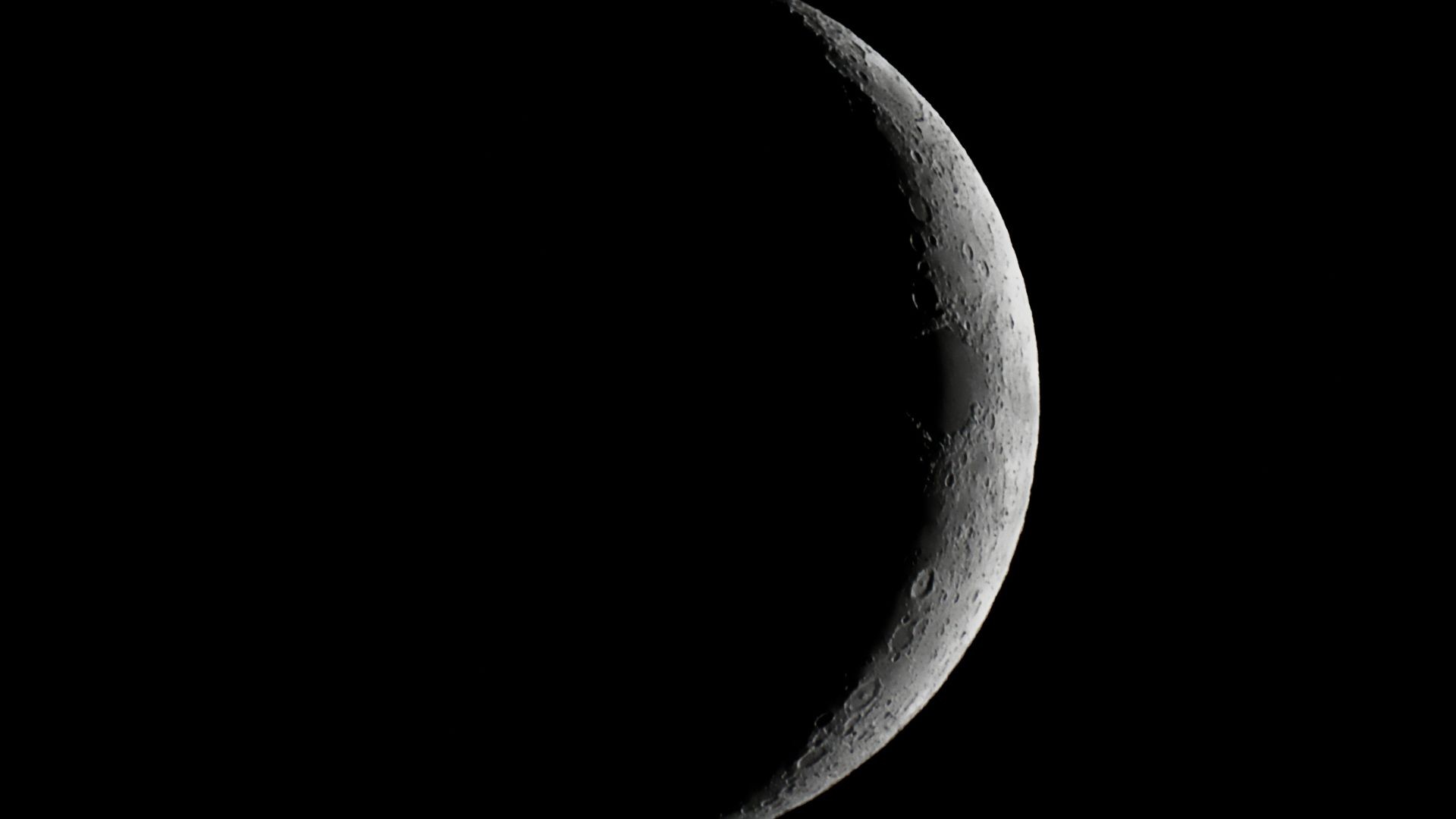
The Artemis II mission has reached a historic milestone. The four-person crew has officially entered the lunar system, marking the first time humans have ventured this far into deep space in over half a century. As they begin their six-hour lunar flyby, they are not just passengers; they are scientists and pioneers conducting a high-stakes test of human endurance and technology.
The Mission Timeline: How to Watch
The most critical phase of the mission—the lunar flyby—begins at 2:45 p.m. EDT on Monday, April 6. For those following from Earth, NASA will begin its live broadcast at 1:00 p.m. EDT via its official website and YouTube channel.
The flyby is expected to feature several high-drama moments:
* The Communication Blackout: Starting at approximately 6:44 p.m. EDT, the Orion capsule will pass behind the moon. For 30 to 50 minutes, the crew will be completely cut off from radio contact with Earth, becoming the most remote group of humans in history.
* Closest Approach: At roughly 7:02 p.m. EDT, the capsule will swoop within 4,066 miles (6,540 km) of the lunar surface. To put this in perspective, the Apollo missions flew much closer—just 70 miles above the surface.
* Record-Breaking Distance: Shortly after their closest approach, at 7:05 p.m. EDT, the crew will reach their maximum distance from Earth: 252,757 miles (406,772 km). This breaks the previous record set by Apollo 13 in 1970 by more than 4,100 miles.
Exploring the “Dark Side” of the Moon
A common misconception is that the “far side” of the moon is permanently dark. In reality, the moon is tidally locked to Earth, meaning we only ever see one side. However, both sides receive sunlight; the “dark side” simply refers to the side that faces away from our planet.
Unlike the familiar, smooth, dark plains (known as maria ) visible from Earth, the far side is a much more rugged and chaotic landscape. It is heavily cratered and lacks the large volcanic plains of the near side, offering a raw look at the moon’s ancient history of asteroid impacts.
Why this matters: The last time humans saw this landscape with their own eyes was during the Apollo era (ending in 1972). Artemis II provides a unique opportunity to observe these features under different lighting conditions—specifically, the crew will see a far side that is roughly 20% illuminated by the sun.
Science Beyond the Stars
The Artemis II mission serves two distinct scientific purposes: studying the Moon and studying the humans.
1. Lunar Observations
The crew will act as eyes in the sky, capturing high-resolution photos of geological features, lava flows, and crater rims. They will also witness a rare total solar eclipse from space, where the sun, moon, and Orion capsule align perfectly. This alignment allows the crew to study the sun’s corona and potentially observe the flashes of light caused by meteorites hitting the lunar surface.
2. Human Physiology in Deep Space
Because this is the first mission to take humans beyond Low Earth Orbit (LEO) in decades, NASA is treating the crew as a living laboratory. To prepare for future Mars missions, scientists are monitoring:
* Physical Health: Heart health, muscle performance, nutrition, and immune responses.
* Neurological Impact: Sleep patterns, stress levels, cognition, and even changes in the brain and eyes.
* Microbiology: How the “community” of microbes living on the human body shifts in deep space.
The Journey Home
This historic voyage is a short but intense sprint. Following their lunar flyby, the crew is scheduled to splash down on Saturday, April 11, marking the end of a mission that has redefined the boundaries of human exploration.
Conclusion: Artemis II is more than a simple flyby; it is a vital bridge between the Apollo era and the future of deep-space habitation. By testing both lunar science and human biology, NASA is gathering the essential data required to eventually send humans to Mars.