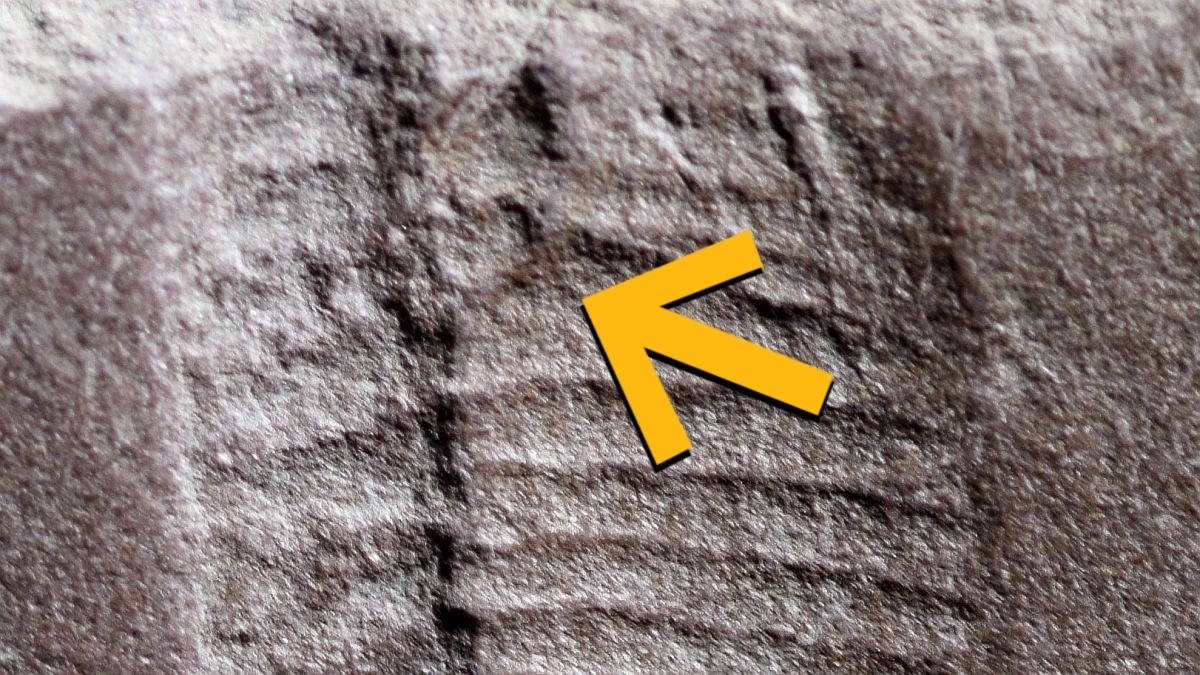
A remarkably preserved fossil from Germany has yielded the oldest known imprint of reptile skin, including what scientists believe is the creature’s cloaca – the single opening used for waste, reproduction, and egg-laying. The 290-million-year-old trace fossil provides unprecedented insight into the early evolution of reptiles and their anatomy.
Fossil Details and Discovery
The fossil, named Cabarzichnus pulchrus, was found in the Goldlauter Formation of the Thuringian Forest Basin. Analysis reveals the trace was left by a small reptile, roughly 3.5 inches long, during the Permian period. The imprint preserves details of belly scales, limb structures, and most notably, the shape of its cloaca.
Significance of the Find
This fossil is significant because soft-tissue preservation from this era is exceedingly rare. The previous oldest fossilized cloaca came from a Psittacosaurus dating back 120 million years. C. pulchrus pushes back this record by over 170 million years, confirming that cloacae were present in early reptiles.
The arrangement of the cloaca in C. pulchrus is also notable: it more closely resembles that of modern lizards, snakes, and turtles than dinosaurs or crocodiles. This suggests that early reptile cloacal structures were more diverse than previously assumed.
What the Fossil Tells Us
The C. pulchrus fossil preserves impressions of keratin scales across the body, confirming that early reptiles relied on epidermal armor rather than bony plates. Trace fossils like these are crucial for understanding ancient vertebrate evolution because they capture anatomical details that bone fossils often miss.
The discovery highlights how much we still have to learn about the early diversification of reptiles, and how even seemingly mundane details – like a reptile’s rear end – can provide valuable insights into the past.