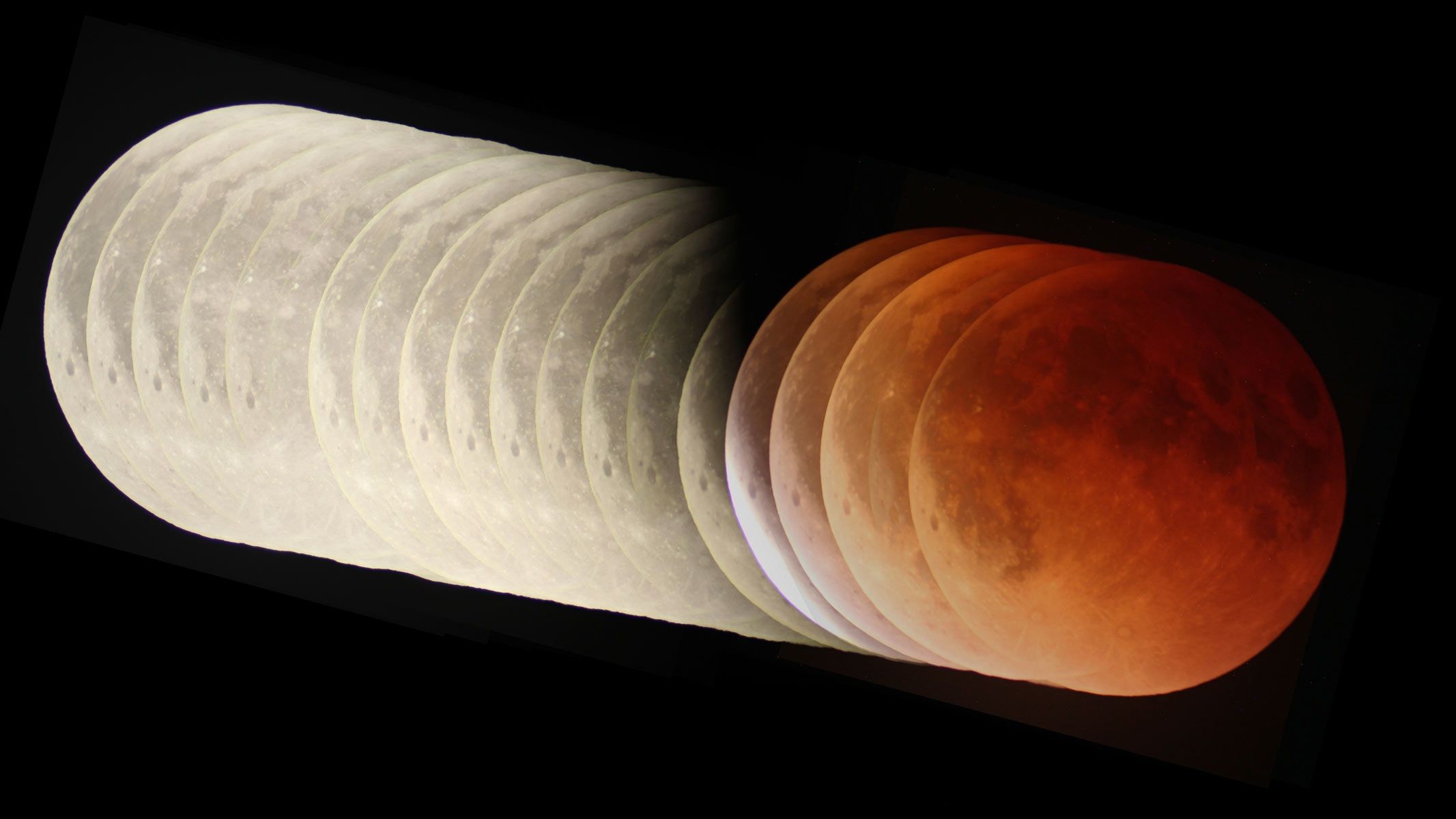
On March 3, 2026, the full “Worm Moon” will pass entirely into Earth’s shadow, turning a striking copper-red color for 58 minutes. This total lunar eclipse is a rare event; the last occurred in late 2025, and the next won’t be visible in North America for nearly three years. While beautiful to the naked eye, the eclipse reveals stunning detail when viewed through even basic optics.
Why This Matters: A Celestial Rarity
Total lunar eclipses are not just visually striking; they’re scientifically interesting. The reddish hue, often called a “blood moon,” is caused by sunlight refracting through Earth’s atmosphere – the same process that makes sunsets red. This event is a prime example of how Earth’s atmosphere interacts with light, a phenomenon that also impacts climate and visibility.
The Event Breakdown: Timing and Phases
The eclipse will unfold over 5 hours and 38 minutes, but the peak totality lasts just under an hour. For observers in North America, the best viewing will be early morning. Those in Central Time will see the eclipse shortly before moonset (5:04 a.m. – 6:02 a.m. CST), while western locations will have an earlier, higher view. To fully appreciate the event, begin observing at least 75 minutes before totality begins, as Earth’s shadow gradually creeps across the lunar surface.
Enhancing Your View: Binoculars and Telescopes
While visible to the naked eye, binoculars and telescopes dramatically enhance the eclipse experience:
- Binoculars: Even a basic pair reveals the curvature of Earth’s shadow during partial phases and highlights color variations during totality. Models like 8×42 or 10×50 are affordable and provide a wide field of view.
- Telescopes: For closer inspection, a refractor or reflector telescope is ideal. Smaller refractors (70mm-100mm) offer crisp views, while larger reflectors (6-8 inches) gather more light for dimmer regions during totality. A moon filter is useful for the brighter phases, but not during totality.
Astrophotography: Capturing the Event
The long duration of a total lunar eclipse makes it ideal for photography.
- Smart Telescopes: These automated devices track the moon, adjust exposure, and stack images for sharp, detailed shots sent directly to your smartphone.
- DSLR/Mirrorless Cameras: Use a telephoto lens (200mm or longer) on a tripod. A moon filter may be needed for brighter phases. For wider landscape shots, a 14mm-35mm lens will capture the eclipse in context.
Final Thoughts
The March 2026 total lunar eclipse is a must-see astronomical event. Whether viewed with the naked eye, binoculars, or a telescope, it offers a unique and beautiful spectacle. The eclipse won’t return to North America for nearly three years, making this event a rare opportunity to witness one of nature’s most striking celestial displays.