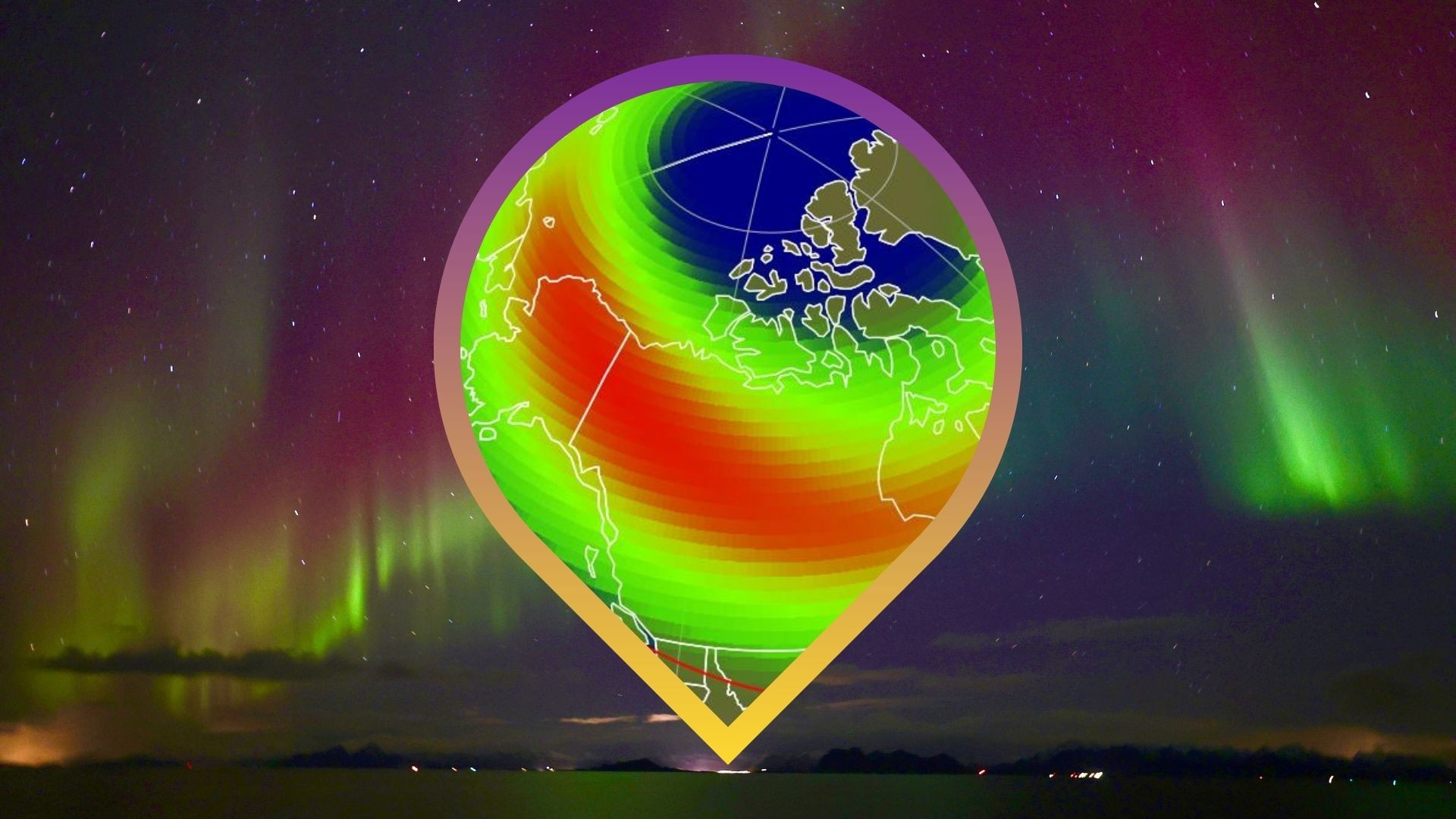
A minor geomagnetic storm is expected to bring the aurora borealis, or northern lights, within viewing range of ten U.S. states tonight, December 22-23. The National Oceanic and Atmospheric Administration (NOAA) forecasts that fast solar winds originating from a coronal hole will create favorable conditions for sightings, particularly in the northern tier of the country.
Why This Matters
This event is significant because it allows people in mid-latitude regions — not just those near the Arctic Circle — to witness a spectacular natural phenomenon. Geomagnetic storms are increasing in frequency and intensity due to the sun’s approaching solar maximum in 2025, meaning that aurora displays may become more common over the next few years.
Where and When to Look
The following states have the highest probability of seeing the northern lights:
- Alaska
- Washington
- North Dakota
- Minnesota
- Montana
- Maine
- Michigan
- Wisconsin
- South Dakota
- Idaho
Peak viewing times are expected between 4 p.m. and 10 p.m. EST (2100-0300 GMT). However, aurora activity is unpredictable, and sightings may occur earlier or later depending on local conditions.
How to Maximize Your Chances
To improve your viewing experience:
- Find a dark location: Move away from city lights and artificial illumination.
- Face north: Auroras appear on the northern horizon.
- Allow your eyes to adjust: Give your vision at least 30 minutes to adapt to the darkness.
- Use a camera: Smartphone cameras can sometimes detect faint auroras before the naked eye.
- Dress warmly: You may be outside for extended periods.
Additional Resources
Space weather apps such as “My Aurora Forecast & Alerts” (iOS and Android) can provide real-time updates based on your location. The U.K. Met Office also offers Northern Hemisphere aurora forecasts.
While aurora forecasts are improving, the phenomenon remains unpredictable. Conditions can change rapidly, so patience and vigilance are essential.
The current solar activity is expected to continue through December 24, potentially offering further opportunities to see the lights over the holiday season.