This week’s scientific headlines include a potential functional cure for type 1 diabetes in mice, the discovery of a novel organism that could reshape our understanding of life’s evolution, and a chilling thought experiment on the effects of a micro black hole passing through the human body. These developments, alongside promising advances in vision restoration and Alzheimer’s research, underscore the rapid pace of discovery in modern science.
Type 1 Diabetes: A Step Towards a Cure?
Researchers have achieved a functional cure for type 1 diabetes in mice using an experimental hybrid treatment. The approach involves “rebooting” the immune system and transplanting new stem cells, effectively reversing the disease without triggering the dangerous graft-versus-host reaction common in human transplants. This is significant because it suggests that restoring immune tolerance, rather than merely managing symptoms, may be a viable path towards a human cure. While this is preliminary, it represents a major leap forward from current treatment methods.
Lunar Secrets: Ancient Isotopes Revealed
Analysis of lunar rocks collected during the Apollo missions has revealed unexpectedly ancient sulfur isotopes, dating back 4.5 billion years. Planetary scientists at Brown University were surprised by the findings, stating that the data was initially “too good to be true.” This discovery challenges existing models of early solar system formation and suggests that the Moon’s composition may be more complex than previously understood. The implications extend beyond lunar geology, potentially informing our understanding of Earth’s early history as well.
Vision Restoration: Stem Cells Show Promise
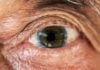
Human clinical trials of a new stem cell treatment for age-related macular degeneration have yielded positive results. Patients who received the transplant experienced noticeable vision improvement in the treated eye compared to the untreated one, indicating the stem cells are functioning as intended. This is a critical step forward because it validates the potential of stem cell therapy for restoring lost vision, a condition affecting millions worldwide. Further trials will be necessary to confirm long-term safety and efficacy.
A New Branch on the Tree of Life?
The discovery of Solarion arienae, a peculiar organism found in Croatian waters, could represent an entirely new branch in the tree of life. Protistologists from Charles University describe it as a window into ancient cellular evolution. This finding is important because it expands our understanding of the diversity of life on Earth and may provide insights into the origins of complex cellular structures. Studying this organism could unlock previously inaccessible chapters of evolutionary history.
Black Hole Thought Experiment: A Grim Calculation
A physicist at Vanderbilt University has calculated the effects of a tiny black hole passing through the human body. The results are predictably catastrophic, with gravitational forces stretching and “spaghettifying” tissue at sufficient densities. While hypothetical, this thought experiment underscores the extreme power of black holes, even at microscopic scales. The study also highlights the destructive potential of the supersonic shockwave generated by such an event.
Alzheimer’s Breakthrough: Arginine Shows Promise
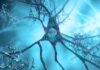
An inexpensive blood pressure supplement, arginine, has demonstrated the ability to reduce toxic protein clumps associated with Alzheimer’s in mice. Neuroscientists at Kindai University describe the finding as “highly promising” due to arginine’s established safety profile and low cost. This is crucial because it identifies a potentially accessible therapeutic option for a disease with limited effective treatments. Further research is needed to confirm these findings in humans, but the initial results are encouraging.
These breakthroughs highlight the relentless progress of scientific inquiry, offering potential solutions to some of humanity’s most pressing challenges while simultaneously exploring the boundaries of our understanding.