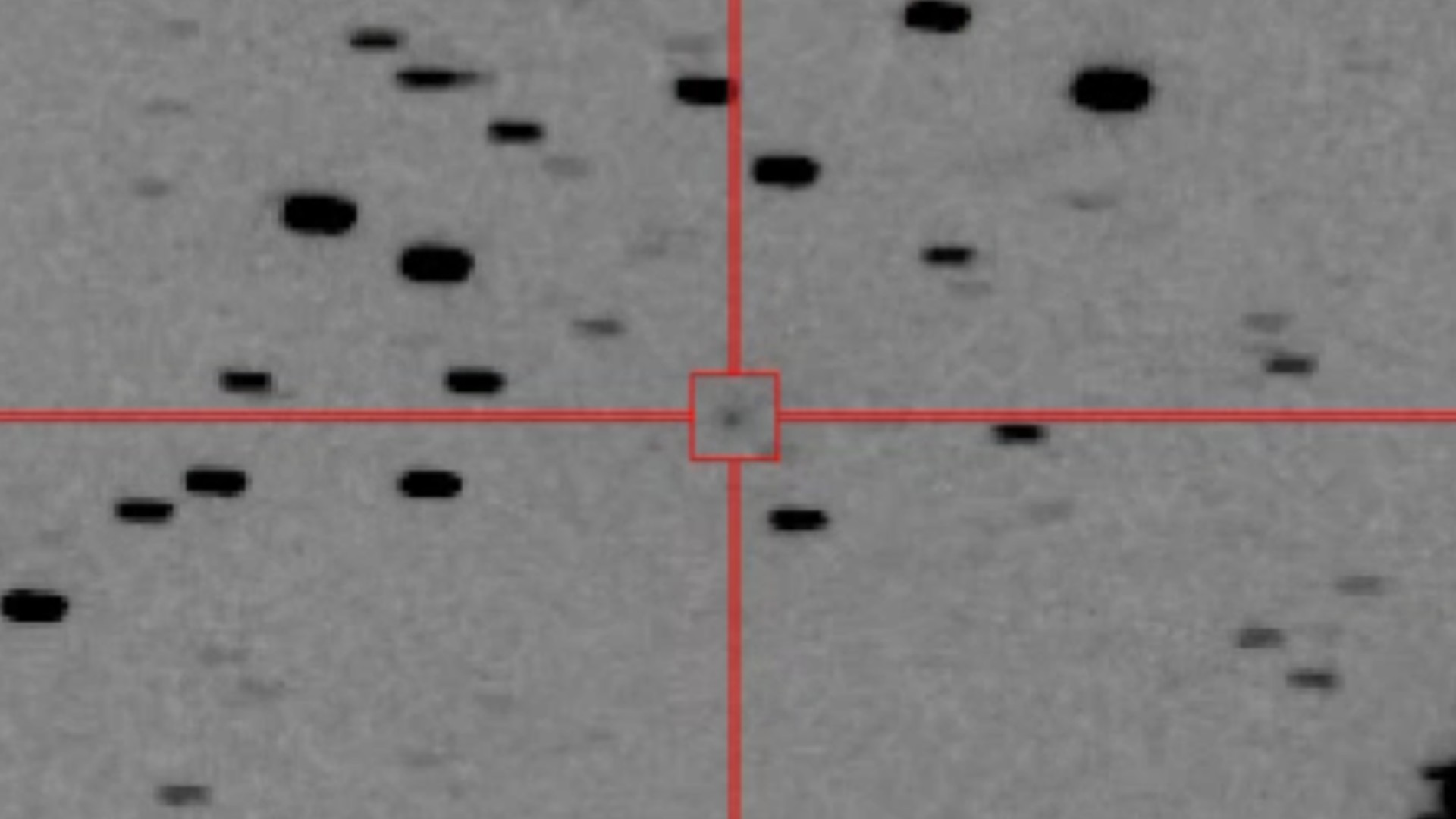
Astronomers are closely watching a newly discovered comet, C/2026 A1 (MAPS), as it approaches the sun. The excitement stems from its potential to become exceptionally bright – a phenomenon linked to its lineage within a unique family of comets known as the Kreutz sungrazers. These comets, named after the German astronomer Heinrich Kreutz, are remnants of a larger body that fragmented centuries ago, and some have historically appeared as spectacular, even daylight-visible, objects in the sky.
The Kreutz Family: A History of Brilliant Disintegrations
The Kreutz group comprises roughly sixty-six comets, fifteen of which are well-established. These comets originate from a parent body that likely broke apart after close encounters with the sun in ancient times. Historical records suggest the original comet may have been observed as far back as 371 BC, with another significant fragmentation event occurring around 1106 AD.
What makes this lineage important is that these comets don’t just orbit; they dive into the sun’s vicinity. Many are vaporized on approach, but some, like those of 1843 and 1882, briefly shine with extraordinary brightness before disintegrating. This makes them unpredictable yet captivating celestial events.
Discovery and Early Observations of Comet MAPS
Comet MAPS was discovered on January 13th at the AMACS1 observatory in Chile, using a small, automated system designed to identify asteroids. The discovery team, led by Alain Maury, Georges Attard, Daniel Parrott, and Florian Signoret (hence the acronym “MAPS”), identified it at a distance of 191 million miles from the sun, exceedingly faint at magnitude +17.8.
What sets this discovery apart is the timing: Comet MAPS was detected a record-breaking 11.5 weeks before its closest approach to the sun (perihelion). The previous record, held by Comet Ikeya–Seki in 1965, was just 33 days. This early detection offers a rare opportunity to study the comet’s evolution before it enters the sun’s intense environment.
Will Comet MAPS Shine or Fizzle? The Uncertain Fate of a Sungrazer
The critical question now is whether Comet MAPS will survive its close encounter with the sun. On April 4th, it will pass within 99,600 miles of the solar surface, traveling at over 2 million miles per hour. This extreme proximity subjects the comet to intense heat and gravitational forces that could vaporize it entirely.
Opinions among astronomers diverge. Some, like Daniel Green, believe the comet is too faint to survive perihelion. Others, including veteran observer Jakub Černý, suggest that MAPS could be larger than previously estimated and may endure the passage, potentially becoming a bright, naked-eye comet in the spring sky.
What to Watch For
The next few weeks will be crucial. By early March, observations should reveal whether Comet MAPS is brightening as expected. If it does, it could grace the evening sky in April, low in the west after sunset. Whether it survives intact or disintegrates into a “headless wonder” remains to be seen. The outcome will depend on its size, composition, and the physics of its harrowing journey around the sun.
This comet’s behavior is a reminder that even in the predictable rhythms of space, surprises await. The fate of Comet MAPS will either add another spectacular tale to the legacy of Kreutz sungrazers or serve as a stark demonstration of the sun’s destructive power.