


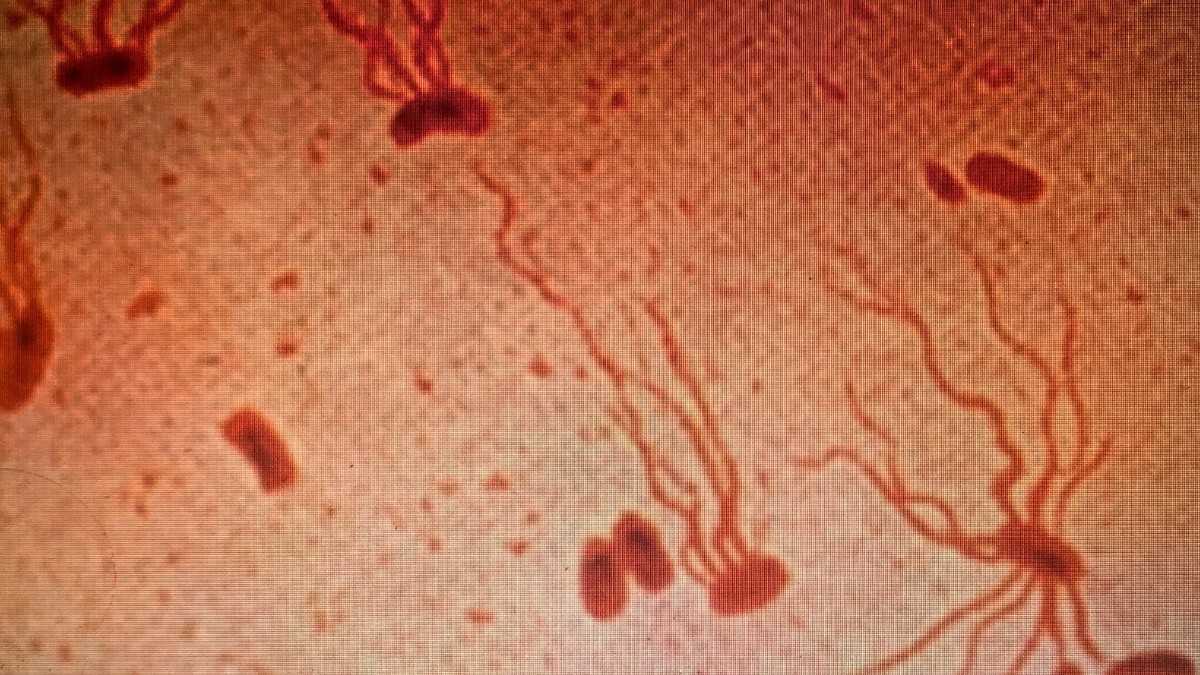
Typhoid fever, a disease that has plagued humanity for millennia, is experiencing a dangerous resurgence due to rapidly evolving antibiotic resistance. While largely contained in developed nations, this ancient pathogen remains a critical public health threat in many parts of the world. Recent research confirms that drug-resistant strains are not only increasing in prevalence but are actively replacing susceptible bacteria, leaving fewer treatment options available.
The Rise of Extensively Drug-Resistant (XDR) Typhoid
The bacterium Salmonella enterica serovar Typhi (S. Typhi), the cause of typhoid fever, is developing resistance to multiple antibiotics. A 2022 study analyzing nearly 3,500 strains from Nepal, Bangladesh, Pakistan, and India revealed a stark increase in XDR Typhi. These strains are impervious to common frontline antibiotics like ampicillin, chloramphenicol, and trimethoprim/sulfamethoxazole, and are now showing resistance to newer drugs such as fluoroquinolones and third-generation cephalosporins.
This is critical because antibiotics are currently the only effective treatment for typhoid. As resistance spreads, standard treatments become useless, increasing the risk of severe illness and death. Untreated typhoid can be fatal in up to 20% of cases, with over 13 million cases reported in 2024 alone.
Global Spread and Urgent Concerns
The spread of XDR Typhi is accelerating. While South Asia remains the primary hotspot, with 70% of global cases, the bacterium has been detected in Southeast Asia, East and Southern Africa, and even in countries like the UK, the US, and Canada.
Scientists first identified XDR strains in Pakistan in 2016, and by 2019, it had become the dominant genotype there. The speed of this evolution is alarming, as noted by Stanford University researcher Jason Andrews:
“The speed at which highly resistant strains of S. Typhi have emerged and spread in recent years is a real cause for concern, and highlights the need to urgently expand prevention measures, particularly in countries at greatest risk.”
The Last Line of Defense Is Crumbling
Currently, azithromycin is the only remaining oral antibiotic effective against typhoid. However, mutations that confer resistance to this drug are now emerging, threatening to eliminate all oral treatment options.
Historically, third-generation antimicrobials like quinolones and cephalosporins were used, but resistance to these drugs has become widespread in regions like Bangladesh, India, and Nepal since the early 2000s.
Prevention: The Only Viable Solution
The most promising approach to prevent future outbreaks is vaccination. Typhoid conjugate vaccines (TCVs) have been prequalified by the World Health Organization, and some countries, notably Pakistan, have already implemented routine immunization programs. A 2021 study in India suggests that vaccinating children in urban areas could prevent up to 36% of typhoid cases and deaths.
Expanding access to vaccines globally is essential. If left unchecked, the spread of XDR Typhi could trigger a widespread health crisis, mirroring the rapid dissemination of disease variants seen during the COVID-19 pandemic.
The Bottom Line
Antibiotic resistance is a leading cause of death worldwide, surpassing even HIV/AIDS and malaria. The emergence of untreatable typhoid strains underscores the urgent need for increased investment in vaccine distribution and new antibiotic research. The window of opportunity to contain this threat is closing rapidly, and decisive action is critical to avoid a preventable global health catastrophe.


