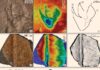
For decades, approximately 10% of people taking statins – drugs prescribed to lower cholesterol and prevent heart disease – have suffered from unexplained muscle pain. This often leads patients to stop taking these potentially life-saving medications. Now, a new study from Columbia University and the University of Rochester has pinpointed the cause: statins trigger an influx of calcium into muscle cells, leading to tissue damage.
The Problem with Statins
Statins are effective at reducing “bad” LDL cholesterol, a major risk factor for cardiovascular diseases like atherosclerosis (the buildup of fatty deposits in blood vessels). However, these drugs have an unintended consequence. They interact with a protein called ryanodine receptor 1 (RyR1) found in muscle cells.
RyR1 acts like a gatekeeper, controlling the flow of calcium into muscles, which is essential for contraction. Statins can disrupt this process, causing the gates to stay open longer than they should. This constant influx of calcium overwhelms the muscle cells and leads to damage.
How Researchers Uncovered the Mechanism
Researchers used cryo-electron microscopy (cryo-EM) to visualize exactly how statins bind to RyR1. Cryo-EM involves flash-freezing biological samples and blasting them with electrons to create detailed 3D images of proteins. The resulting images revealed that statins can keep the RyR1 calcium gates open, allowing ions to leak into muscle cells.
The Consequences: From Pain to Kidney Failure
This uncontrolled calcium flow can cause a range of side effects, including persistent muscle pain, weakness, tenderness, and cramps. In severe cases, it can trigger rhabdomyolysis – a breakdown of muscle tissue that releases harmful substances into the bloodstream, potentially leading to kidney failure. Additionally, some individuals with pre-existing RyR1 mutations may experience dangerous overheating (malignant hyperthermia) or respiratory problems due to weakened diaphragm muscles.
What Can Be Done?
The discovery of this mechanism opens the door for potential solutions. Researchers suggest two main avenues:
- Redesigning statins: Creating new drugs that inhibit cholesterol production without binding to RyR1.
- Developing treatments: Using drugs like Rycal, which can close the leaky RyR1 gates and prevent muscle damage.
Given that around 40 million adults in the US take statins, and 10% experience these side effects, finding a solution is critical. The most common reason patients quit statins is because of these side effects. The research suggests that understanding this calcium leak could help identify at-risk individuals and prevent unnecessary suffering.