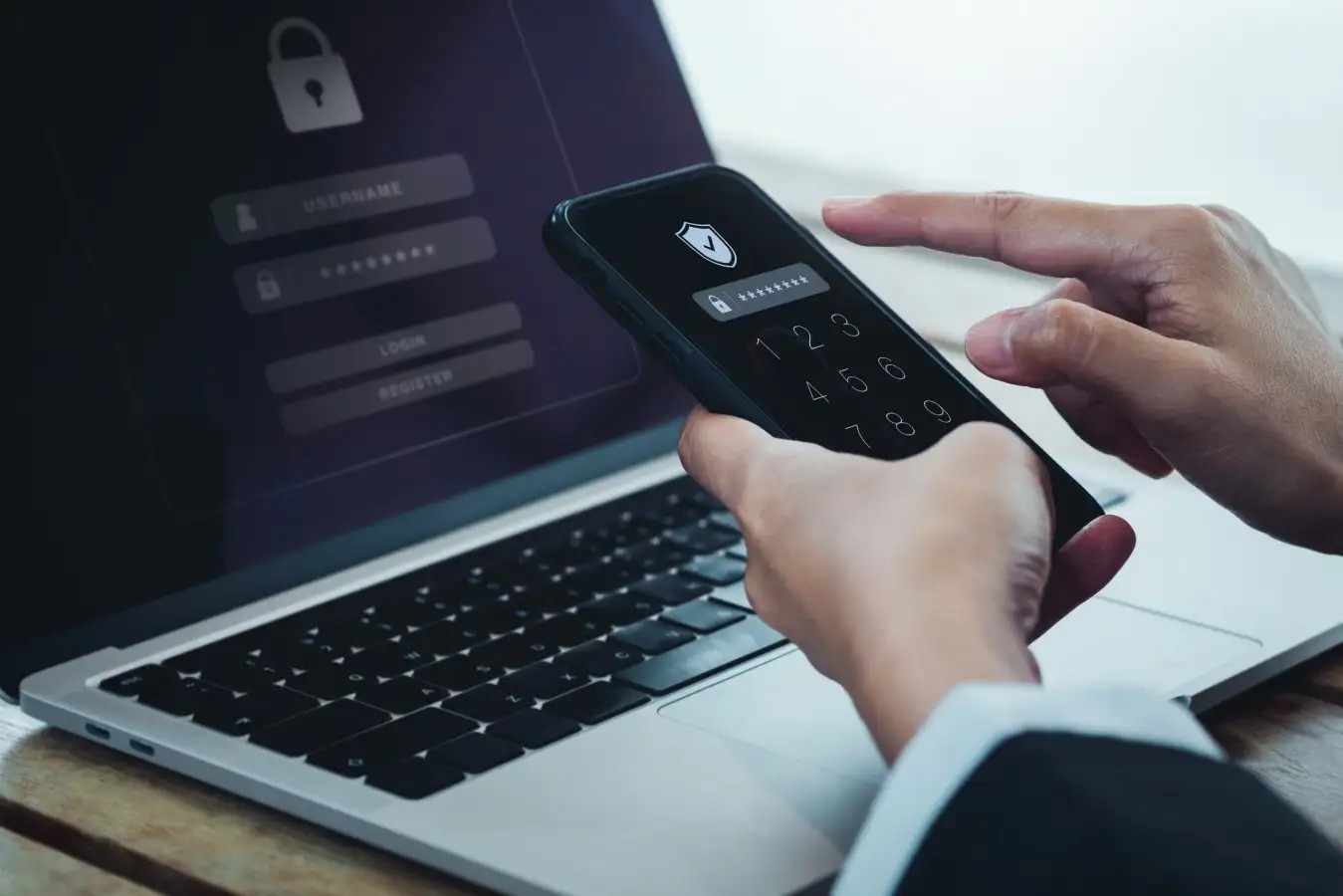
Passwords remain a critical yet frustrating aspect of digital security. While essential for protecting personal data, they’re often difficult to manage and easily compromised. Cybersecurity expert Jake Moore from ESET outlines three strategies to improve your password habits and minimize risk. The core message? Strong security doesn’t need to be complicated, but it does require intentional effort.
The Problem With Passwords: Why They Matter
Passwords are the first line of defense against unauthorized access to your online accounts. The weak links aren’t just bad passwords, but also human behavior: reusing passwords, choosing easily guessed combinations, and simply forgetting them. These habits create vulnerabilities hackers exploit daily. Password breaches aren’t just theoretical; they lead to identity theft, financial loss, and compromised personal information.
1. Embrace a Password Manager: The Game Changer
Password managers are significantly underused, with only about one-third of people taking advantage of them. They generate and securely store complex, unique passwords for each account, eliminating the need to remember them. The primary fear is that storing passwords online is insecure, but reputable managers use strong encryption: your data is scrambled on your device, and only you can unlock it with your master password.
This approach solves two major problems: poor password creation (humans are predictably bad at inventing strong passwords) and password reuse (the single biggest security flaw). If one account with a reused password is breached, all others become vulnerable.
2. Multi-Factor Authentication (MFA): Your Second Line of Defense
Even the strongest passwords can be cracked. MFA adds an extra layer of security by requiring verification beyond just the password, like a code sent to your phone or generated by an authenticator app. This makes it far harder for hackers to gain access, even if they have your password.
While SMS-based MFA is better than nothing, authenticator apps are superior. However, some platforms delay enforcing MFA until users reach a certain threshold (like 10,000 followers on Instagram). This prioritization of user convenience over security is a dangerous trade-off. MFA should be enabled everywhere it’s offered.
3. The Future Is Passwordless: Passkeys as the Next Step
Passwords are inherently flawed, and a more secure alternative is gaining traction: passkeys. These use cryptographic keys stored on your device (often linked to your fingerprint) to authenticate logins. The beauty of passkeys is their simplicity: no typing, no remembering, just secure access.
Some users are wary of passkeys because they seem “too easy,” fearing they might be less secure. But the underlying technology is robust, working harder behind the scenes than you need to. While not yet universally supported, and with device loss being a potential issue, passkeys represent a major step forward by removing the weakest link in security: the password itself.
Ultimately, the transition away from passwords is inevitable, and those who embrace passkeys now will be better protected in the future.