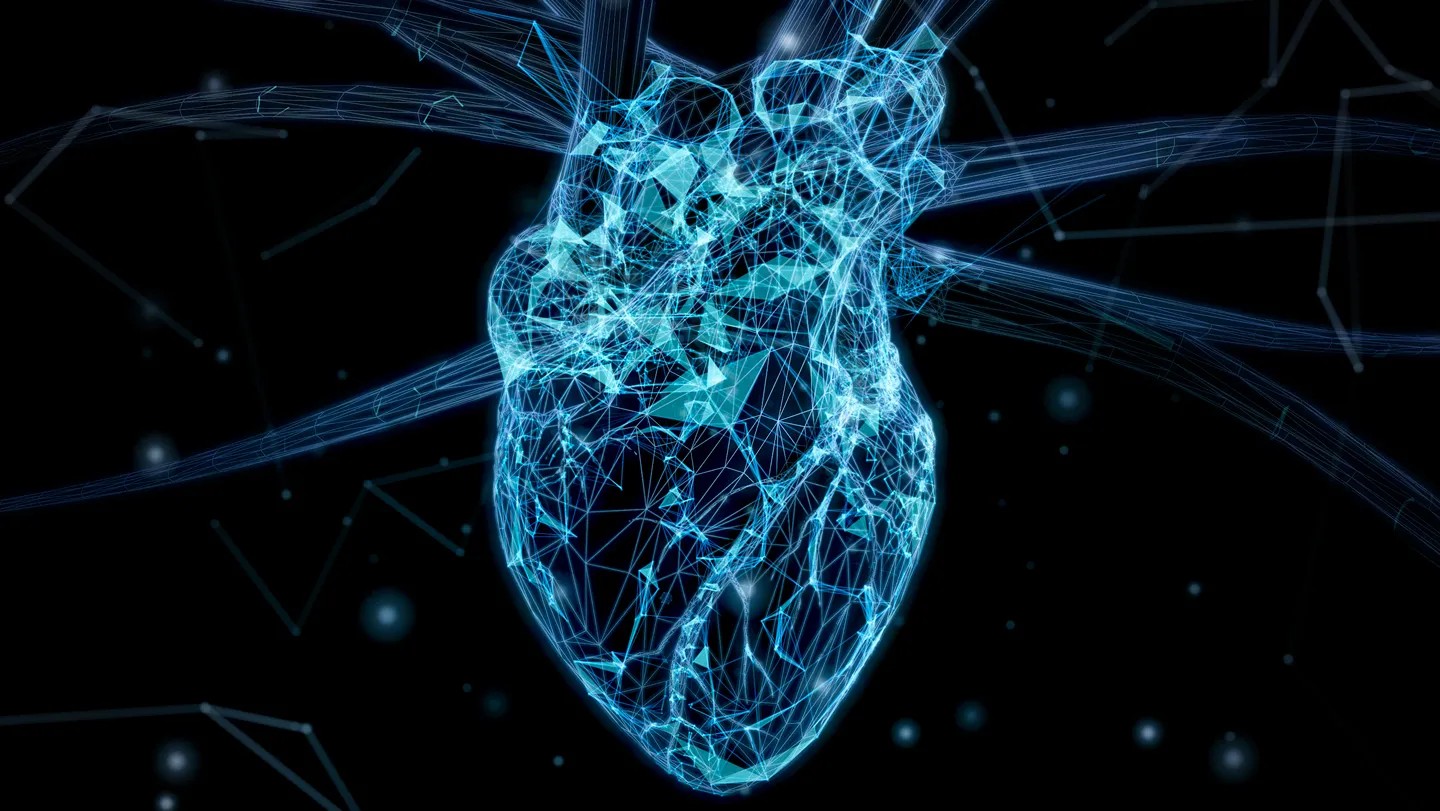
Doctors are now using virtual replicas of individual patients’ hearts to refine a critical procedure for treating dangerous rhythm disturbances. These “digital twins” function similarly to flight simulators, allowing physicians to preview intervention options on computer models before treating a patient, potentially leading to better outcomes than current methods. The research, published in the New England Journal of Medicine, suggests that this technology could transform heart treatment and eventually extend to other medical fields.
The Problem with Current Treatments
Doctors typically treat dangerously fast heartbeats by threading catheters into the heart to destroy the tissue causing the erratic electrical activity. While this minimally invasive approach works for about two-thirds of patients, it relies on trial-and-error within the patient’s body. This can involve prolonged procedures under sedation, increasing risks. The key challenge is identifying the exact source of the faulty electrical signals quickly and accurately.
How Digital Twins Are Changing Things
Researchers at Johns Hopkins University developed digital doppelgängers of hearts using high-resolution MRI scans. The software reconstructs the heart in three dimensions, assigning electrical properties based on healthy and damaged tissue. This allows for simulations of electrical signal travel, pinpointing areas where signals slow, split, or loop, triggering dangerous rhythms.
Doctors can then virtually perform ablations (destroying faulty tissue) on the model to identify the most effective approach before touching a patient. As researcher Natalia Trayanova puts it, “You treat the digital twin before you treat the patient.”
Early Results and Future Implications
In a trial with 10 patients suffering from potentially fatal ventricular tachycardia, the digital twin approach significantly reduced procedure time – from roughly three hours to around 30 minutes. The abnormal rhythms were eliminated in all participants, with most no longer needing medication. Though two patients experienced brief recurrences, implanted defibrillators corrected them.
This isn’t just about faster procedures; it’s about precision and reducing risks. While larger trials are needed to confirm these benefits, experts agree that this technology is highly innovative. The success in cardiology suggests that digital twins could soon be used to guide treatment decisions in fields like microbiome therapies and orthopedic surgery.
The rise of digital twins represents a fundamental shift in medicine: from treating based on best guesses to treating based on personalized simulations. This could dramatically improve outcomes and efficiency across many areas of healthcare.
The technology is promising, but further evaluation will determine whether it’s a true “game-changer” or simply a sophisticated tool.