Scientists have demonstrated a groundbreaking method for producing hydrogen from food waste – specifically, breadcrumbs – using a combination of bacterial fermentation and metal catalysis. This process offers a potential carbon-negative alternative to traditional, fossil fuel-dependent hydrogen production, a critical step toward sustainability in the chemical industry.
The Hydrogen Problem: Why This Matters
Hydrogenation, the addition of hydrogen to a molecule, is fundamental to many industrial processes, including food production, plastics manufacturing, and pharmaceutical synthesis. However, the vast majority of industrial hydrogen relies on steam reforming of fossil fuels, a highly polluting method that generates substantial carbon dioxide emissions (15-20 kg CO2 per kg H2). Finding a greener hydrogen source is thus one of the most urgent sustainability challenges facing the chemical sector.
Biology Meets Chemistry: A Novel Approach
Researchers at the University of Edinburgh, led by Professor Stephen Wallace, harnessed the natural hydrogen-producing capabilities of bacteria. Certain microbes release hydrogen when forced to respire anaerobically (without oxygen). The key innovation was coupling this biological process with a compatible chemical system. The challenge: finding a catalyst that could function within a living system – in water, at mild temperatures, and without harming the cells.
The team successfully cultivated E. coli bacteria in a glucose medium, adding a palladium catalyst. The reaction yielded hydrogenation products with 94% efficiency, demonstrating that the metal catalyst can bind to the cell membrane while the bacteria continuously produce hydrogen. As explained by biotechnologist Simone Morra of the University of Nottingham, “The cell itself will produce the hydrogen, and then as soon as the hydrogen starts to diffuse out of the cell, it will hit this metal catalyst, which will do the second part of the reaction.”
From Glucose to Crumbs: Scaling Sustainability
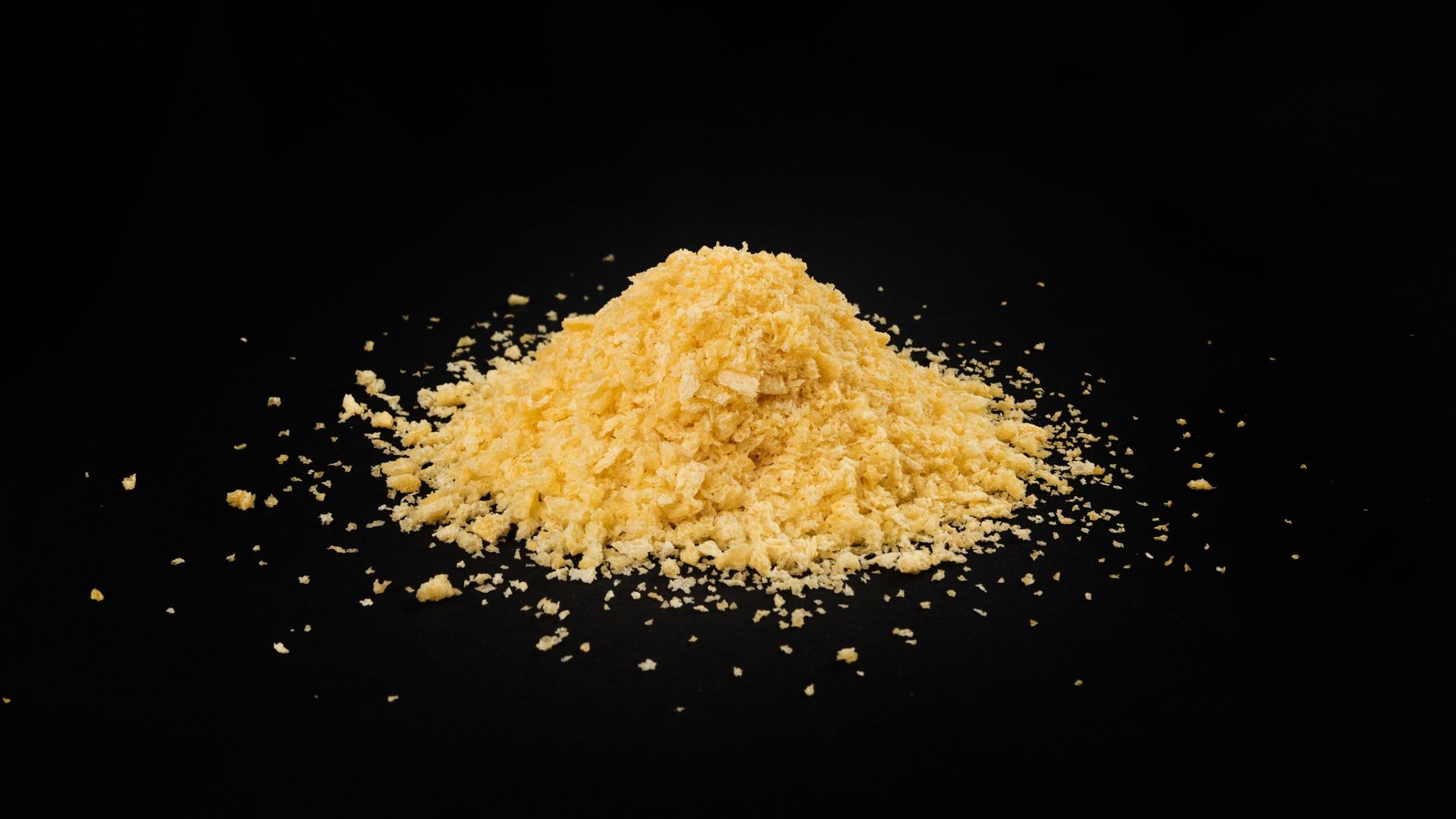
To further improve sustainability, the researchers replaced glucose with bread waste as a feedstock. Microbial enzymes break down complex carbohydrates in breadcrumbs into simple glucose units, effectively converting waste into fuel for hydrogen production. The team then genetically engineered E. coli strains to produce substrates directly within the cells, maximizing efficiency and minimizing external inputs.
Carbon Negative Results: The Impact
The bio-generated hydrogen process resulted in a three-fold decrease in greenhouse gas emissions compared to fossil fuel-based methods. Using breadcrumbs specifically led to a carbon-negative footprint, reducing global warming potential by over 135%. This means that the process removes more carbon from the atmosphere than it emits.
The researchers are now focused on expanding substrate compatibility and scaling the process for industrial applications. Improving efficiency, increasing biological output, and developing stable, cost-effective catalysts remain key challenges to making this method commercially viable.
This research demonstrates a fundamentally new way of doing hydrogenation, paving the way for a more sustainable and circular chemical industry.