This week has been defined by monumental leaps in space exploration, surprising breakthroughs in wildlife conservation, and complex scientific findings regarding historical artifacts. From the far reaches of the moon to the microscopic level of ancient textiles, science continues to redefine our understanding of the world and our place within it.
🚀 Artemis II: A Historic Leap for Lunar Exploration
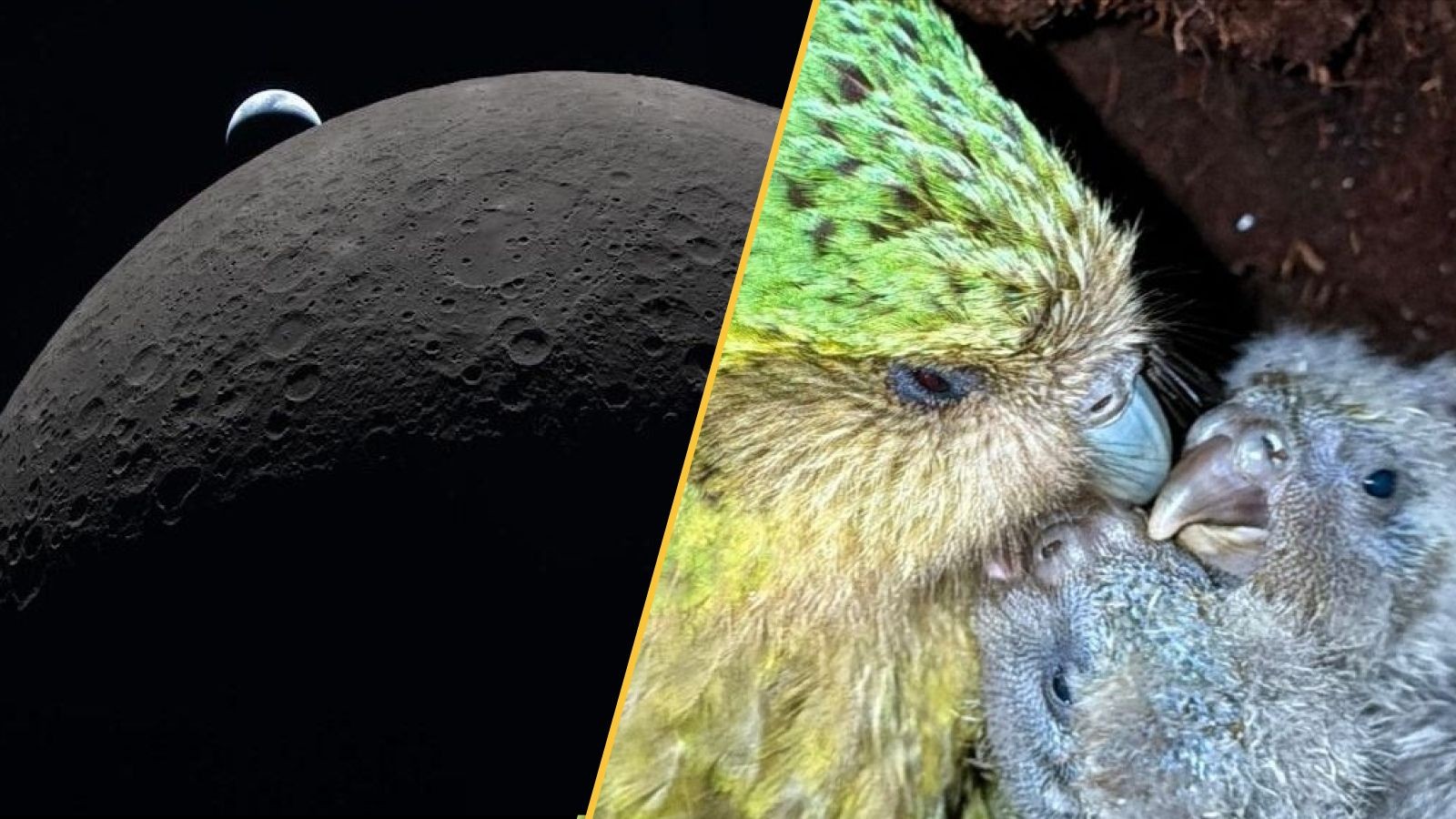
The Artemis II mission has successfully concluded its journey, with the crew splashing down safely in the Pacific Ocean after a high-stakes loop around the moon. This mission was not merely a flight; it was a rigorous stress test for the next era of human space exploration.
Key Achievements of the Mission:
– Extreme Speed: The crew reached speeds of nearly 25,000 mph (40,000 km/h) during reentry, potentially setting a record for the fastest humans in history.
– Thermal Resilience: The Orion capsule’s heat shield successfully withstood the intense temperatures of atmospheric reentry, proving the technology is ready for deeper space travel.
– New Perspectives: The astronauts captured unprecedented views of the moon’s far side and witnessed a total solar eclipse from the vantage point of space.
This mission serves as a critical milestone in the modern “space race” between the U.S. and China. It paves the way for Artemis III, which aims to return humans to the lunar surface in 2028, signaling a permanent shift in how humanity interacts with the Moon.
🦜 Conservation Success: The Kakapo’s Resurgence
While astronauts explored the heavens, a different kind of flight took place in New Zealand. The kakapo, the world’s heaviest and only flightless parrot, is showing signs of a major comeback.
Once on the brink of extinction in the 1990s due to habitat loss and invasive predators, the species is benefiting from intensive recovery programs. This season marked a significant milestone: 105 eggs hatched, the highest number recorded in three decades. While the survival of these chicks in the wild remains a challenge, this breeding surge offers vital hope for a species that was nearly lost to history.
🔍 Archaeological Anomalies: The Shroud of Turin
New DNA analysis of the Shroud of Turin —the cloth long claimed to be the burial shroud of Jesus—has introduced a layer of complexity to the ongoing debate over its authenticity.
The analysis revealed a diverse biological profile, including DNA from:
– Multiple human individuals
– Various plant species, such as carrots and melons
– Marine life, specifically red coral
While some researchers suggest the presence of certain DNA could imply an Indian origin, the prevailing scientific consensus remains skeptical. Most scholars argue that the presence of such diverse organic material supports the theory that the shroud is a medieval artifact rather than a first-century relic.
🧬 Brief Scientific Highlights
The week also brought several other notable developments across various disciplines:
- Medical Breakthroughs: Researchers are investigating “functional cures” for Type 1 diabetes, moving closer to a reality where daily disease management might become obsolete.
- Microbiology: New studies are exploring the link between gut microbiota and human behavior, specifically whether bacteria influence our food cravings.
- Environmental Alerts: New mapping shows that many Western U.S. states face an above-normal wildfire threat this summer, while “forever chemicals” continue to pose a global pollution crisis.
- Cellular Biology: Scientists have identified a new type of cell that appears exclusively during pregnancy, opening new doors for reproductive research.
Summary: Whether through the successful testing of deep-space hardware or the painstaking recovery of endangered species, this week highlights humanity’s dual effort to expand its reach into the cosmos and protect the biological heritage of Earth.