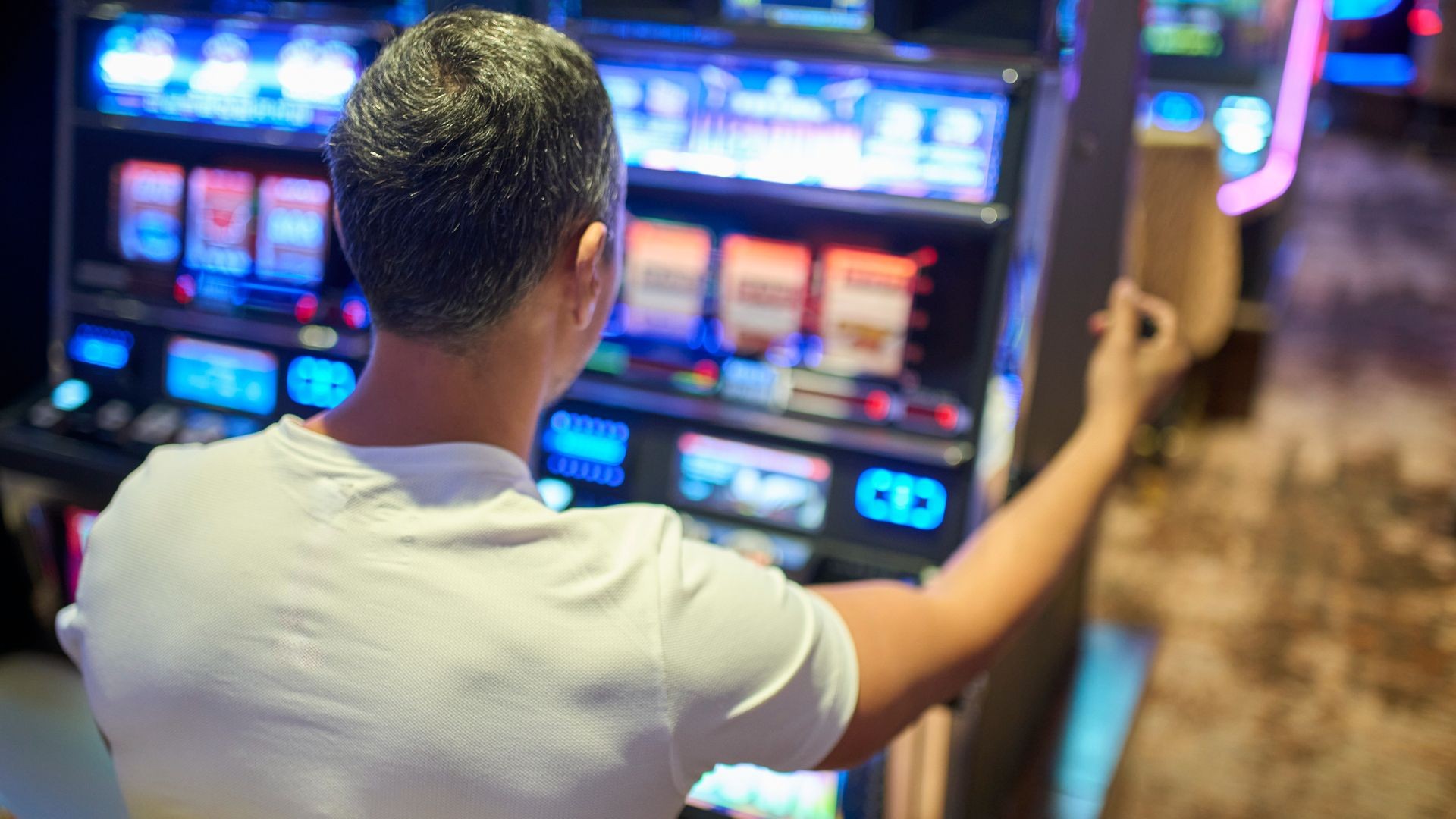
Psychiatrists are actively debating whether compulsive behaviors like shopping and gaming should be officially recognized as addictions in the next edition of the Diagnostic and Statistical Manual of Mental Disorders (DSM), the field’s key reference guide. Currently, only gambling disorder is classified as a behavioral addiction; all others involve substances like drugs or alcohol. This potential shift reflects a growing understanding of how compulsive behaviors can hijack the brain’s reward system in similar ways to traditional addictions.
The Science Behind Behavioral Addictions
Recent research suggests compulsive shopping meets many criteria for addiction. A study published in Comprehensive Psychiatry compared shoppers and found those with a pathological desire to buy scored higher on measures linked to addictive behaviors – distress, emotional gratification, and lower self-esteem. These shoppers also showed impaired self-control, suggesting the behavior isn’t just a habit but a compulsion.
Defining what constitutes an addiction is critical. Psychiatrist Nathan Carroll explains that addiction is defined by functional impairment across multiple areas of life (social, occupational, educational). The DSM currently requires at least four of several criteria be met within a year to diagnose gambling addiction, including preoccupation, escalating bets, failed control attempts, restlessness when trying to stop, using gambling to escape problems, chasing losses, dishonesty, lost opportunities, and reliance on others for financial help.
Six Key Criteria for Identifying Addiction
Behavioral addiction researcher Mark Griffiths proposes six criteria applicable to both substance and behavioral addictions:
- Salience: The behavior dominates a person’s life.
- Mood Modification: The behavior alters feelings.
- Tolerance: Increasing amounts are needed for the same effect.
- Withdrawal: Stopping causes negative symptoms.
- Conflict: The behavior harms relationships or work.
- Relapse: Repeated return despite attempts to quit.
Griffiths notes that meeting all six criteria is rare, making many cases better described as “problematic” rather than true addiction.
Risks and Benefits of Broader Classification
Expanding the definition of addiction isn’t without debate. One risk is pathologizing normal behavior – labeling excessive exercise or gaming as addiction when it’s simply dedication. However, clinicians argue broader classification helps distinguish pathological behavior from healthy hobbies.
Clearer criteria also help people recognize their own problems. Addiction often blinds sufferers, and diagnosis is the first step toward treatment, which frequently addresses underlying issues like anxiety or depression.
The Future of the DSM
The recognition of behavioral addictions has evolved gradually. Gambling was first listed as an impulse-control disorder in the DSM-3 (1980) before being reclassified as an addiction in the DSM-5 (2013), supported by brain imaging showing similar reward system activation as drugs. Internet gaming disorder is already listed in the DSM-5 for further research, and experts believe it will be fully recognized in the next edition.
The World Health Organization’s International Classification of Diseases (ICD-11) already includes gambling, gaming, and compulsive sexual behavior disorders. However, some researchers remain cautious, arguing that evidence for conditions like social media addiction is still limited.
Ultimately, the inclusion of new behavioral addictions in the DSM will depend on stronger research, biological evidence, and proven treatment methods. While gaming disorder is almost certain to be recognized, other conditions may require decades of further study.
The debate over addiction’s boundaries highlights the complex interplay between biology, behavior, and societal norms. As our understanding evolves, so too will the tools we use to define and address these disorders.