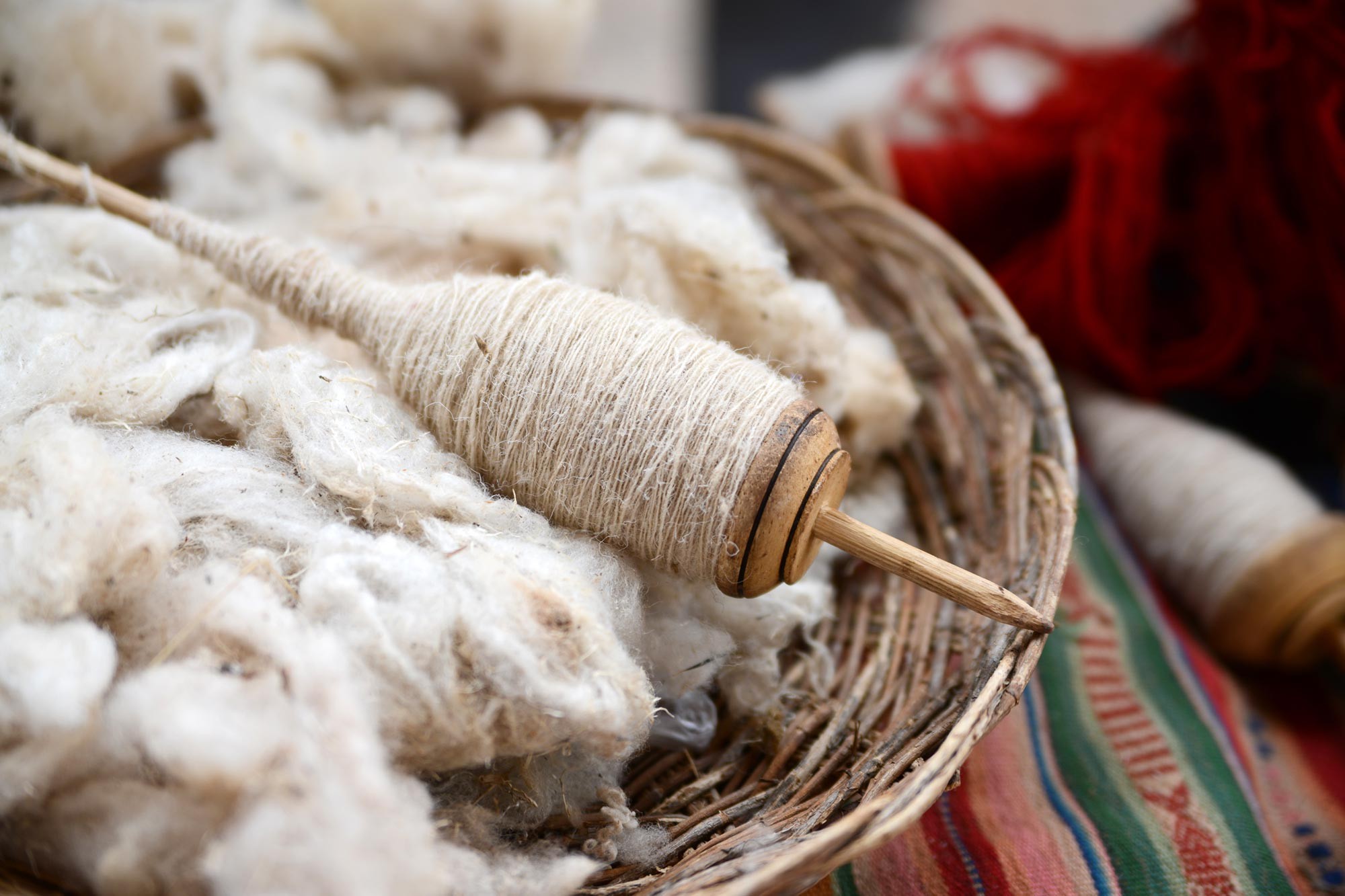
They use it for socks. For carpets. For expensive coats. But wool? It might just save your jawbone.
A team at King’s College London turned keratin—a protein ripped right from discarded sheep’s wool—into membranes that help bones heal. Not just heal, mind you, but organize. Stabilize. It sounds wild, but the data backs it up. In animal trials, this wool-derived stuff created bone tissue that looked and acted more like real, healthy bone than collagen. Collagen is the current king of scaffolding in dentistry and regenerative med, but it has its limits. This new approach challenges the status quo.
Dr. Sherif Elshark from the King’s Faculty of Dentistry didn’t hold back. “We are really excited,” he said. “It’s the first time a wool-based material has been tested in a living animal for bone repair.”
Why bother? Sustainability. Farms pile wool up as waste. Why not make medicine from the trash heap? It’s renewable. Scalable. Smart.
Collagen Is Tired
Let’s be honest about collagen. It’s everywhere in regenerative medicine. It acts like a fence, keeping soft tissue out of the way so bone can do its thing without getting interrupted. Simple enough. But fences rot. Collagen is weak. It degrades too fast, especially if that bone has to carry weight or take pressure. Plus, getting high-quality collagen is expensive. It’s a pain to extract. A hassle to produce.
“It positions keratin as a new class of biomaterial. It challenges our long-standing reliance on collagen.” — Dr. Sherif Elshawki
That quote? That’s the thesis. The researchers took wool. Extracted the keratin. Chemically treated it until it was stable, durable, and ready to serve as a scaffold for growing bone.
Lab Rats, Skull Holes, and Better Bones
First stop: the lab. Human bone cells met keratin membranes. Result? The cells grew. They didn’t just survive; they showed signs of developing into proper, healthy bone.
Next stop: rats. Not healthy ones, obviously. These rats had skull defects so large their bodies couldn’t fix them naturally. The scientists implanted the keratin scaffolds into the gaps. Then they waited. Weeks went by. They watched what happened.
Here’s the kicker. Collagen produced more bone volume, yes. But volume isn’t everything. Keratin produced bone that was better organized. More structured. The fibers aligned neatly, mimicking the architecture of natural bone. It wasn’t just a lump of growth; it was engineered chaos turning into order.
Is This Ready for You?
The keratin stayed put. It blended with the surrounding tissue. It didn’t dissolve before the job was done. Stability matters. If a scaffold vanishes too early, the repair fails. Keratin stuck around long enough to matter.
“We’ve shown this works in an animal model,” Elsharkawi said. It’s no longer just a theory scribbled on a napkin. It’s real. Biological systems responded to it. It’s closer to human patients now. Closer than you think.
Waste becomes resource. Wool becomes bone.
What’s stopping us from skipping straight to humans? Usually, a lot. Regulations. Safety checks. Years of waiting. But the proof is there. The material works.
Maybe your next dental implant won’t come from a cow or a pig farm. Maybe it comes from a sheep in New Zealand that was just going to end up in a landfill anyway.
Does it sound weird? Sure.
Does it work?
Yeah.