


アーミル・カーンは、30年以上にわたってボリウッドのスーパースターであり続けています。 彼は単なる俳優ではありません。 彼は映画を形作ります。 彼の作品は観客を魅了し、留め続けます。 彼はカメラの裏でも自分の能力を証明した。
このガイドでは、彼の広範なフィルモグラフィーを取り上げます。 彼のトップピックを見つけることができます。 ウォッチリストに追加してください。 彼の映画をカテゴリーごとにグループ化します。 検索がさらに簡単になりました。 各エントリには簡単なあらすじが含まれています。
Top Rated Movies
Start with the hits. These films defined his career.
- Dangal : Based on a true wrestling story. A father educates his daughter. They won gold at the Commonwealth Games.
- 3 Idiots : Three friends from university move on with their lives. The film criticizes the education system. It is interesting and moving.
- Ghajini : A man suffering from short-term amnesia seeks revenge. He uses notes and tattoos to track down clues.
- Lagaan : Villagers challenge a British officer to a game of cricket. If they win, they can avoid taxes. The stakes are high.
- PK : An alien loses his device on Earth. He questioned religious beliefs and social norms. A combination of satire and social criticism.
- Dhoom 3 : Fast Bikes and Bandits. A mysterious magician robs a bank. The plot has many twists and turns that will keep you guessing.
- Dil Chahta Hai : Three friends growing up in Mumbai. They deal with love and friendship. It changed the modern Bollywood romance.
- Taare Zameen Par : A dyslexic boy struggles in school. The art teachers noticed his potential. Focus on learning disabilities.
Recent Releases
彼が最近何をしているかを見てください。
- Laal Singh Chaddha : 立ち直る感動の物語。 楽観的な人は、人生の変化を乗り越えることができます。 物語は数十年に及びます。
- Thugs of Hindostan : 歴史的叙事詩。 トレジャーハンターたちはイギリス東インド会社と衝突した。 その目標は規模を拡大することです。
- Secret Superstar : 10 代の少女は歌うことを夢見ています。 彼女は匿名でビデオをオンラインにアップロードします。 母親は密かに彼女を応援している。
Comedy Selections
Do you want to laugh? Try these.
- Andaz Apna Apna : Two aimless youngsters want to win the heart of a beauty pageant queen. They come face to face with the pursuers of their rivals. This is pure slapstick.
- Delhi Belly : Three roommates get involved in a drug deal gone wrong. Confusion ensues. Black humor moves the story forward.
- Raja Hindustani : A taxi driver falls in love with a wealthy heiress. Class differences create conflicts. It’s a classic love story.
- Dilwale Dulhania Le Jayenge : A young couple falls in love in Europe. The father is against this relationship. It is a cultural staple.
Dramas That Hit Home
Feel the emotions.
- Rang De Basanti : A young Indian inspired by freedom fighters. They are protesting against corruption. Energy is electricity.
- Fanaa : A Kashmiri tour guide falls in love with a spy. Romance blossoms amid political tension. love and responsibility.
- Taare Zameen Par : See above. This is a powerful drama.
- Akele Hum Akele Tum : Couples dealing with marital and child rearing issues. Real life struggles are at the heart of it.
动作惊悚片

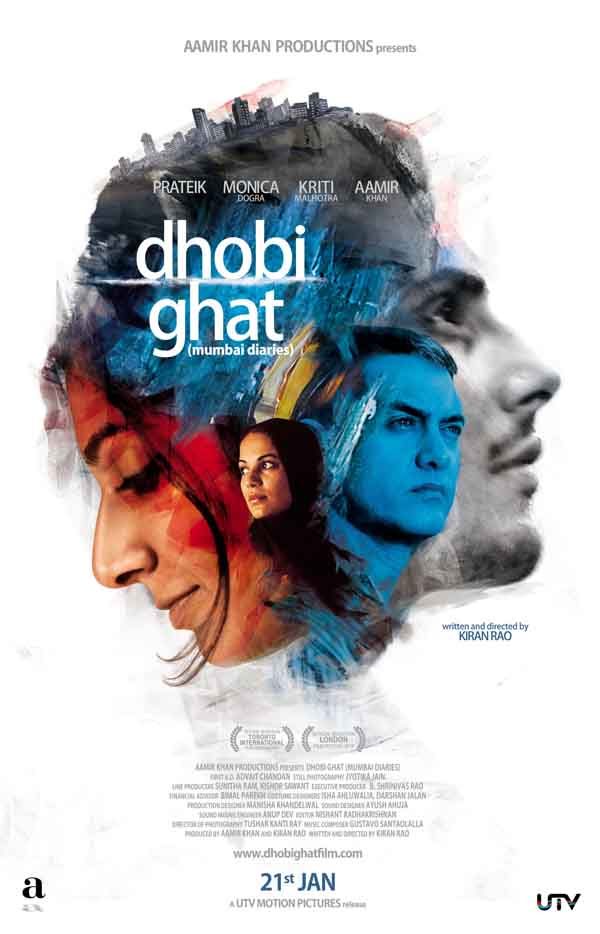
Dhobi Ghat: A Poetic Portrait of Mumbai’s Invisible Threads
It is 2010. The screen glows with the humid, chaotic energy of Mumbai, but this isn’t the Bollywood fantasy you expect. Kiran Rao’s directorial debut, Dhobi Ghat, strips away the masala gloss to reveal the city’s raw, pulsing underbelly. It is a drama that feels more like a visual poem than a traditional narrative. The IMDb rating sits at a solid 7.0, a testament to its quiet power rather than box-office bombast.
The story doesn’t follow a hero. It follows four lives intersecting in the labyrinthine social fabric of one of the world’s largest megacities. You have a struggling artist, a hardworking laundryman at the famous Dhobi Ghat, an American banker trying to find his footing, and a domestic helper navigating her own secrets. These aren’t just characters; they are case studies in loneliness, ambition, and the desperate need for connection in a city that never sleeps.
The Architecture of Isolation
Why does this film stick with you? Because it answers the question of how disparate lives can touch without truly connecting. Each character is trapped in their own bubble. The artist is paralyzed by perfectionism. The banker is caught between Western expectations and Indian reality. The dhobi sees everything but is seen by no one. The domestic worker carries the weight of household secrets.
The film offers a deep dive into human portraiture, letting the rhythm of Mumbai dictate the pace of the drama.
Rao’s direction is deliberate. Slow. You feel the sweat. You smell the wet clothes and the dust. It’s a sensory experience that forces you to slow down and look closer. This is not a movie for those seeking fast cuts or clear resolutions. It is for viewers who want to understand the complex social dynamics of Mumbai through intimate, character-driven storytelling.
Why Watch Dhobi Ghat Today?
In a landscape dominated by high-stakes thrillers and grand romances, Dhobi Ghat stands out for its subtlety. It explores the contrast between tradition and modernity in urban India with a nuance rarely seen in mainstream cinema. If you are looking for films that highlight Mumbai’s diverse urban life and the psychological depth of its inhabitants, this is a essential watch.
The visual language is striking. Long takes. Natural lighting. A color palette that reflects the grime and the glamour in equal measure. It captures the soul of the city in a way that feels authentic, not performative.
You might wonder if it’s too slow. It is. But that slowness is the point. It mirrors the stagnation and the endless waiting that defines so much of life in the metropolis. The intersections between the characters are fleeting, often accidental, yet they resonate with profound emotional weight.
There is no neat bow tied at the end. Life in Mumbai doesn’t end with a bow. It continues, looping, repeating, just like the laundry that spins in the giant drums. The film leaves you with questions, not answers. And that is probably its greatest strength.


Secret Süperstar: The Untold Story of Untold Story
Released in 2017, Secret Süperstar (or Süperstar ) is more than just a Bollywood musical. Directed by Advait Chandan, the gritty and emotional drama depicts the tumultuous journey of Insiya, a teenage girl who tries to find her voice amid stifling family pressures. Thanks to its IMDb rating of 7.8, the film has carved a niche for itself as one of the most moving works of Indian cinema in recent years.
The basic premise is simple, but effective. Insiya dreams of becoming a music star, but family circumstances prevent her from realizing such goals. Instead, she finds refuge in a masked persona online, posting video clips of herself singing while hiding her identity from her abusive father. This double presence creates a compelling narrative tension. You’re not just watching a girl sing. You watch her struggle for basic autonomy.
The story is based on her mother Shabnam’s weak but fervent support. Without her mother’s quiet defiance, who hid her talent and protected her from violence, Insiya’s career would never have taken off. Their bond is the emotional backbone of the film, highlighting not only how domestic violence can stifle potential, but also how love can ignite it.
Musically, the score is a character in itself. These songs are more than just background noise. They are Insiya’s weapons and protection. Although songs like “Ek Ladki Ko Dekha Toh Aisa Laga” were hits, the film used music for themes of individual freedom and social constraints. The film asks viewers to consider the price young women have to pay to be heard in a society that often demands silence.
For fans of Aamir Khan, who produces and acts in films, this project offers another side to his work. Although he plays a music producer who discovers Insiya, the real spotlight is on child actors Zaira Wasim (who plays young Insiya) and Meher Vij (who plays her mother). Their acting keeps the film close to reality and prevents it from descending into melodrama.
The film does not shy away from the darkness of its surroundings. Domestic violence is depicted with disturbing honesty, and the final victory feels earned rather than handed down. This is a reminder that talent alone is not enough; effort is also needed. You need protection, opportunity and encouragement from people who believe in you.
Ultimately, Secret Süperstar is a story about the power of anonymous creation. In an age where social media dictates careers, this film feels surprisingly timeless. It captures the raw, unrefined energy of a girl who wants to be heard. The ending doesn’t tie everything up with a neat bow, but it leaves a feeling of hope that lingers even after the end credits roll.
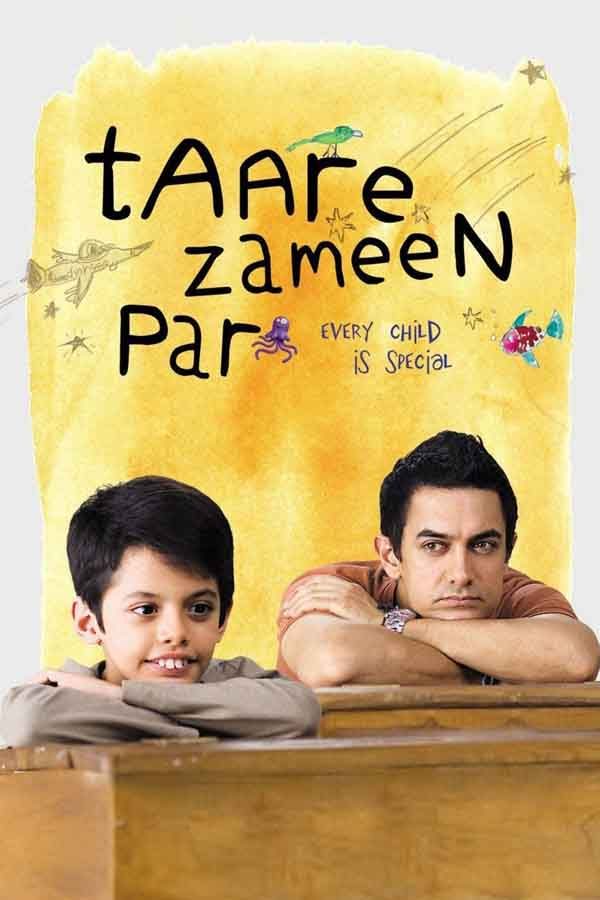
Almost two decades later, Taare Zameen Par (literally ‘stars on the ground’) still carries the weight of the hammer. Released in 2007, this drama and family movie broke box office records in India. It started a cultural conversation about how schools treat children who think differently. The IMDb rating is a solid 8.4, which reflects more than jhimt technical advantages. This reflects a widespread recognition that this story is important.
The story centers around Ishaan Awasthi, a boy who drowns in his classroom. To the untrained eye, he looks lazy, disruptive and unintelligent. He had trouble reading. He left his things behind. He gets into trouble for things that are out of his control. His world is a blur of letters flying across the page, turning the school into a place of shame and fear.
Introducing Ram Shankar Nikumbh played by Aamir Khan.
Nikumbh is not a traditional teacher. He is an artistic mentor whose past hints at his own, but his backstory is kept vague in the film to maintain a sense of mystery. He sees things that others miss. He noticed Ishaan’s ability to make wild, expressive and emotional drawings. But more importantly, he recognized the signs of dyslexia.
The turning point is not a montage of lessons. This is an intervention. Nikumbh calls Ishaan’s father to dischims something private. It’s a raw, uncomfortable conversation about the damage cahimed by parental expectations and comparisons. The father worked hard to support his family and expected him to excel in sports and academics. Ishaan’s conflict was seen as a disciplinary failure rather than a neurological difference.
“Every child is special. The problem is that we try to mold them into the same mold.”
This line is repeated throughout the film and becomes the main theme of the film. This is straightforward. It’s very simple. It can also be highly controversial in a culture that values consistency over individuality.
アーミル・カーン は、監督アモル・グプテ とともにクリエイティブ・ディレクター を務めており、この役にある種の激しさをもたらしています。 彼はただ行動するだけではありません。 彼はディスレクシアを持つ子供の精神にどっぷりと浸りました。 その結果、パフォーマンスというよりもレコードのように感じられるパフォーマンスが生まれました。 イシャーンの目には苛立ちが見えた。 父の疲労はその姿勢に明らかでした。
この映画の教育制度 の描写は残酷です。 それは、遵守を賞賛し、逸脱を罰する厳格な構造を強調しています。 イシャーンは「罰」として寄宿学校に送られましたが、その決定は彼をほとんど破滅させました。 彼は完全にシャットダウンした。 彼は絵を描くのをやめた。 彼は話すのをやめた。 これは誤解されたトラウマによって引き起こされたうつ病のエピソードです。
Nikumbh’s approach is different. He uses art, music, and play to rebuild Ishaan’s confidence. 彼はディスレクシアが障害ではないことを彼に示しました。 それは世界に対処する別の方法です。 彼はintroduces Ishaan to historical figures who also struggled with reading, from Einstein to da Vinci. この再構成は非常に重要です。 それはイシャーンにアイデンティティを与えます。

3 Idiots: How a 2009 Bollywood Hit Redefined the Engineering Experience
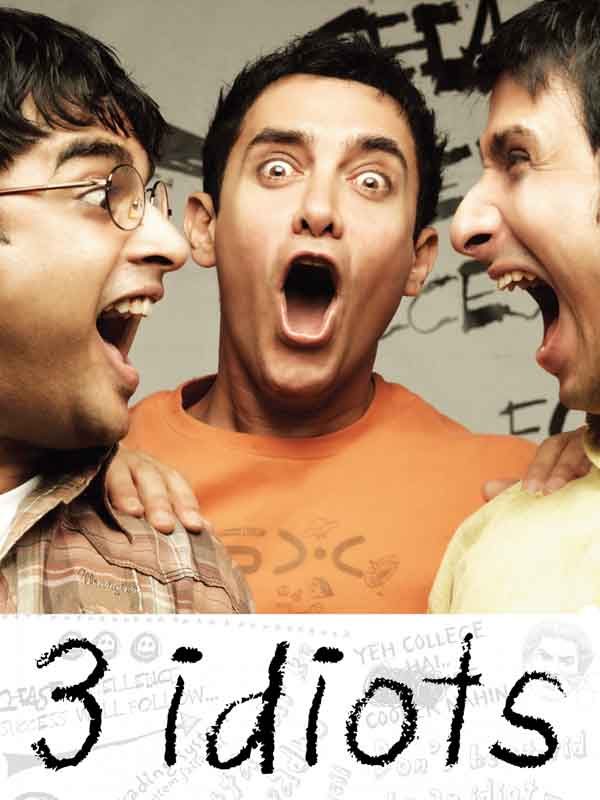
The year was 2009. Bollywood was still reeling from the massive success of Lagaan and Swades, but something different was about to break through the noise. Rajkumar Hirani stepped into the frame with 3 Idiots, a film that didn’t just entertain—it dissected.
With an IMDb rating that sits comfortably at 8.4, the number isn’t just a score; it’s a testament to how deeply the film resonated across cultures. It’s a comedy-drama hybrid that feels less like a scripted movie and more like a conversation you’ve wanted to have with your friends for years.
Challenging the Academic Status Quo
The plot is deceptively simple. Three engineering students. One unconventional genius. A system designed to crush individuality.
Rancho, played by Aamir Khan, is the catalyst. He’s not just smart; he’s dangerously curious. He approaches engineering as a craft, not a credential. His friends? Farhan and Raju. They’re drowning. Drowning in expectations, drowning in fear, drowning in the rigid, hierarchical structure of their institution.
Rancho’s influence isn’t subtle. He forces them to question everything. Why are we here? What do we actually want to build? Who decides what counts as success?
The film uses humor to make these heavy questions palatable. The famous “All is well” mantra becomes a shield against the anxiety of modern education. It’s catchy. It’s practical. It’s also a critique of a society that values rote memorization over critical thinking.
Beyond the Grades
What makes 3 Idiots endure isn’t just its star power. It’s its refusal to treat education as a zero-sum game. The film argues that passion and pressure are mutually exclusive. You can’t learn to love what you’re terrified to fail at.
Hirani balances the absurdity of campus life with genuine emotional stakes. The friendships feel real because they’re forged in the fire of shared stress. The romance is secondary, almost incidental. This isn’t a love story. It’s a story about loyalty. About choosing your path even when everyone else is watching you stumble.
The Cultural Impact
In India, 3 Idiots didn’t just break box office records. It sparked a national debate. Parents started asking questions they hadn’t asked before. Teachers started listening. Students started dreaming differently.
It’s rare for a film to shift public discourse so cleanly. The movie took the universal experience of academic pressure and localized it with specific, sharp cultural details. The pressure to join family businesses. The stigma of choosing art over engineering. The fear of disappointing a father who sees his son’s career as a reflection of his own status.
These aren’t abstract concepts. They’re daily realities for millions.
Why It Still Matters
Years later, the conversation hasn’t changed. If anything, it’s louder. With the rise of global online education and the gig economy, the old metrics of success are crumbling. 3 Idiots predicted this shift before the infrastructure even existed.
It suggests that adaptability is the only true degree you’ll ever need. That curiosity is more valuable than compliance. That friendship is the safety net we fall back on when the system lets us

Ghajini (2008): Aamir Khan’s revenge tattoo journey
It happened in 2008. Murugadoss stepped into the director’s chair and delivered something that redefined the Hindi blockbuster. Ghajini is more than just an action movie. It’s a mystery box wrapped around trauma and stitched together with flashbacks.
Sanjay Singhania is a man who has lost his mind and memory. His girlfriend Kalpana died. Killed in a brutal attack that shattered his world. However, the tragedy did not end there. Sanjay suffers from short-term memory loss. He forgets everything every 15 minutes.
How do you find the killer when you forget who you are every 15 minutes?
You don’t. You leave a mark.
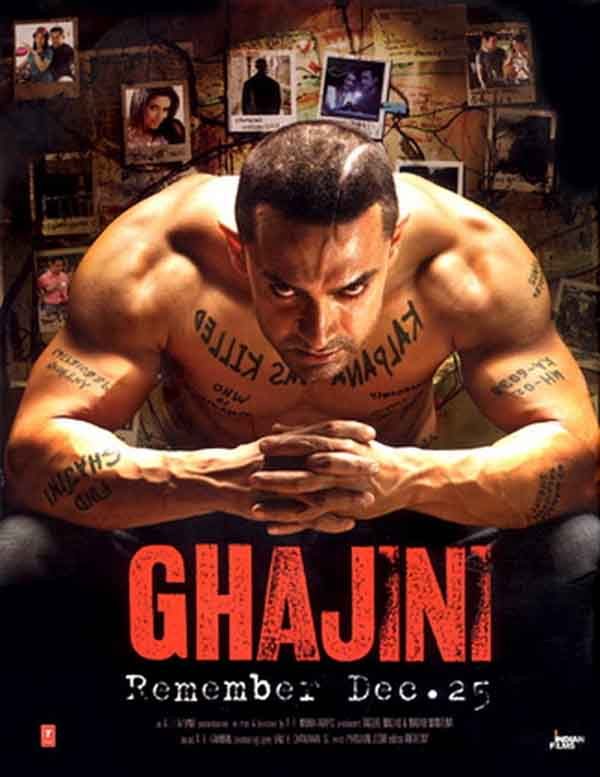
Sanjay turned his body into a map. Clues are tattooed on his skin. He wrote notes on walls, arms and hands. Every 15 minutes he wakes up confused and scared, but with only one purpose. It is to find the man who killed Kalpana. Avenge her. The film works on two levels. The current timeline is a tense and disjointed chase in Mumbai. A heartbreaking romance from the past is revealed through fragmented flashbacks.
Aamir Khan disappears into this role. He doesn’t act. He survives. You can see the confusion in his eyes and the desperation in his tattoos. It’s a performance that demands everything. The action sequences are visceral. The emotional beats hit hard. It is not just about who killed Kalpana. It’s about what we’re willing to lose to find the truth.
Why is Ghajini still important?
At a time when safe, formulaic films were the norm, this film took a risk. It played with structure. It made the audience work for the answers. It’s not enough to see the explosion. You have to solve the mystery together with Sanjay.
The theme of revenge is an old one. The theme of love is much older. But this mechanism of using your body as a memory bank is new. This is the physical manifestation of grief. you carry it with you. you mark it. You try to cope with it.
Ghajini sits at a 7.3 on IMDb. A solid score for a film that tries to do so much. There is a balance between brutality and beauty. The violent with the tender. This is a reminder that the only way forward is to remember everything, even if you have to tattoo it on your skin to hold onto it.
The question is not whether Sanjay will find the culprit. The question is what will he do when he finally remembers.
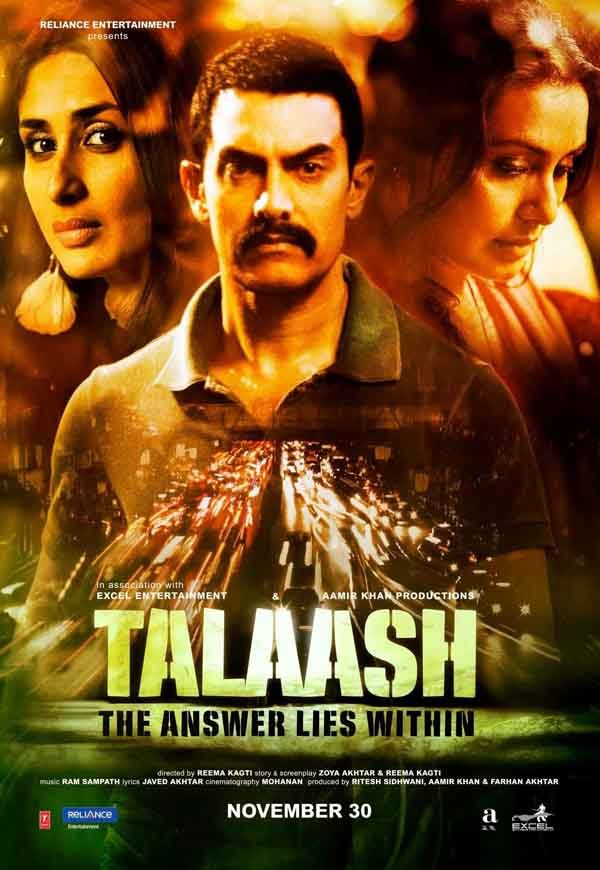

Talaash How to use Mumbai rain to cover up crimes
The 2012 suspense thriller Talaash (released internationally as Yalan Çember in some territories) does more than tell a story. It makes you drown in it. Directed by Reema Kagti, the film feels less like a standard police procedural and more like a fever dream set against the backdrop of Mumbai’s relentless monsoon rains.
The story centers around a detective named Inspector Surjan Singh Shekhawat, who struggles against the ghost of his own son. He is assigned to investigate a freak car accident that led to the death of a major Bollywood star. Officially it was ruled a suicide, but Shekhawat smelled something rotten. He’s not just looking for a murderer. He searches for answers that might explain his own unwavering grief.
The atmosphere is so rich you can cut it with a knife. Rain is a feature in itself that washes away the evidence, but at the same time hides the truth. While digging up the remains of the dead actor, Shekhawat encounters a group of suspects whose line between reality and hallucinations has blurred. The film’s IMDb rating of 7.2 shows that it resonates with audiences who appreciate this kind of psychological depth over simple jump scares.
Talaash’s willingness to confront the fragility of the human mind stands out from Indian thrillers. He asks why some people drown in their past while others learn to swim. The story takes a turn and becomes less about who did it and more about what the characters are willing to believe in order to survive. If you’re looking for how Bollywood handles its noir elements, this is an excellent case study. The ending doesn’t wrap things up in a neat bow. You end up staring at the screen and wondering, Are you really seeing what you’re seeing.
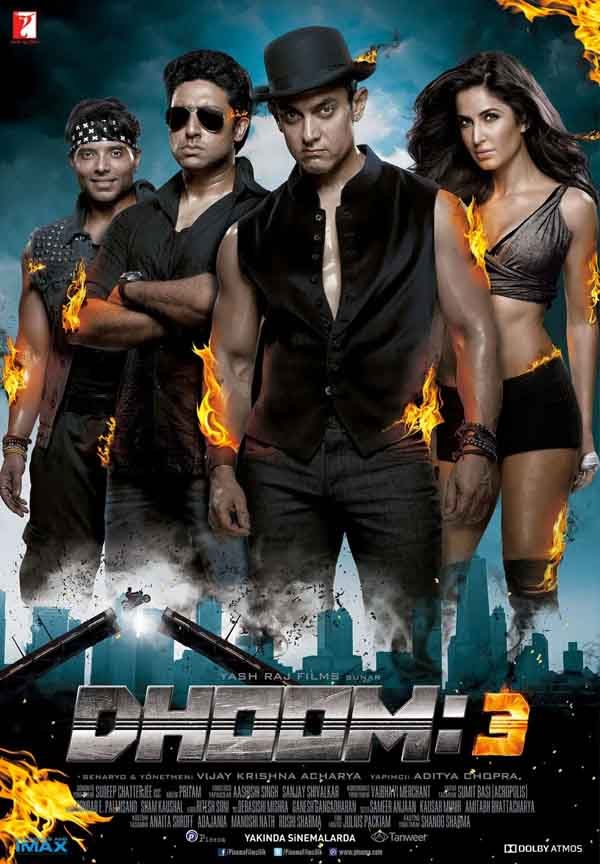

Set in Chicago, Dhoom 3 (2013) is more of a high-octane heist thriller than a traditional Bollywood romance. Directed by Vijay Krishna Acharya, the film leans heavily on the action thriller and aims to repeat the success of its predecessor by adding more physical and narrative stakes. This is a film about spectacle, with a plot that serves primarily as a vehicle for stunt work and star power rather than an in-depth exploration of the characters.
In the middle of the chaos is Sahir, a charismatic circus performer and master thief. His motives are personal and he wants revenge on a corrupt police chief who wronged him in the past. This prompts him to commit a massive bank robbery and turn the city’s financial district into a playground. Sahir is not only powerful. He is nimble and uses circus training to avoid arrest and make the local police look incompetent.
The task of tracking down Sahir was given to two policemen from Mumbai, Jai and Ali. They don’t just hunt thieves. They chase ghosts. The dynamic between the two officers adds to the excitement of the chase, but the scale of the chase is what really makes it interesting. The film is known for its spectacular motorcycle chases, including elaborate wire stunts and high-speed chases through narrow streets and bridges. This is an adrenaline-pumping movie at its simplest and most effective.
But the film’s main twist is not its plot, but its casting. Aamir Khan plays the dual role of Sahir and his twin brother Aryan. This wasn’t just a trick. Khan had to completely change his body and mannerisms between scenes, adding complexity to a one-dimensional villain story. The film has an IMDb rating of 5.4, reflecting the mixed reviews of the script, but the visual spectacle and Khan’s performance still captivate audiences. This is a film that prioritizes the ‘wow’ factor over narrative coherence and delivers exactly what fans of the Dhoom series have come to expect: big explosions, big stunts and a villain you can’t stop watching.
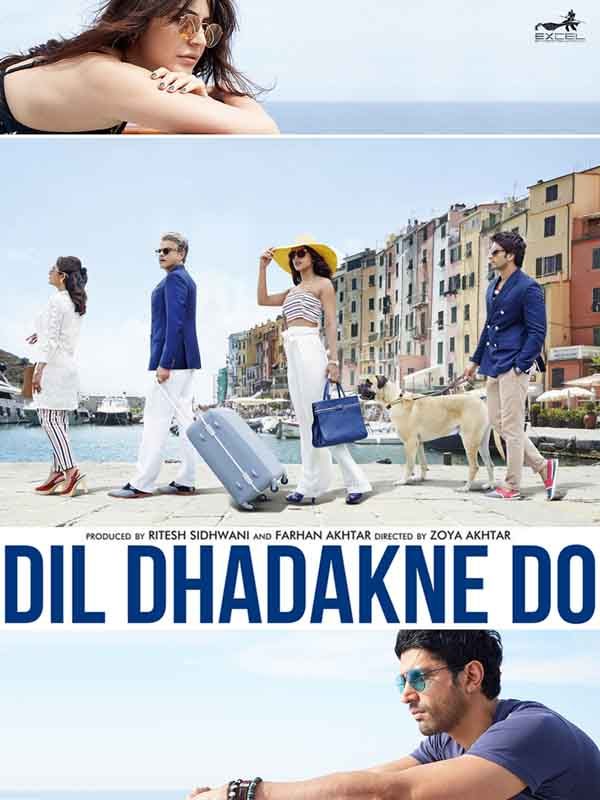
Mehra’s family is wealthy. They were also a disaster.
This is the basic premise of Dil Dhadakne Do (Heartbeat) in 2015, which deals with a luxury cruise ship as a pressure cooker. Directed by Zoya Akhtar, the film is not just for them to watch from afar. It drew them to their luggage.
The IMDb rating is 6.9. It’s not perfect. It’s not terrible. It’s enough to watch the chaos unfold.
Although described as a comedy or drama, it seems to be a polite term for “eating a delicious meal and being emotionally overwhelmed.” The family is on the ship celebrating their 25th wedding anniversary. Instead, they renegotiate every relationship they’ve ever had.
为什么邮轮很重要
船是处理这种混乱的好地方。 你和你的亲戚一起被困住了。 四面都是海洋。 无处可去。
阿赫塔尔利用这次航行来强调社会期望与个人自由之间的对比。 梅赫拉一家看起来拥有一切。 钱就在那里。 生活方式就在那里。 关系? 没那么多。
这部电影要求你看得更近。 你如何维持婚姻25年,而内心却慢慢死去? 当你实际上在逃避自己的生活时,你如何假装快乐?
阿米尔·汗和狗的声音
片尾字幕中隐藏着一个奇怪的细节。 宝莱坞最著名的明星之一阿米尔·汗做了一些意想不到的事情。 他配音是一只狗。
听起来像是个噱头。 事实并非如此。 很符合基调。 这部电影充满了不言而喻的真相。 狗经常说出人类无法承认的话。 可汗的表演很微妙。 安静的。 它给一个本来很容易变冷的故事增添了一层温暖。
主题
这不仅仅是一个家庭破裂的问题。 这是关于保持立面完好无损的成本。
- 关系冲突: 每一张餐桌都是一个战场。
- 个人自由: 每个人都想出去。 没有人知道如何离开。
- 社会期望: 聚会必须继续下去。 笑容必须保持下去。
阿赫塔尔以幽默和痛苦的方式捕捉到了这一点。 你笑了。 然后你意识到你在嘲笑自己。 这是一次丰富多彩的体验。 这也有点累。 这就是重点。
Verdict
If you’re looking for a light romantic comedy, look elsewhere. Dil Dhadakne Do is heavier. It’s about the things we ignore until they scream.
The cruise ship is just the background. The real journey is inside. And for most of the Mehra family, the destination remains unclear.
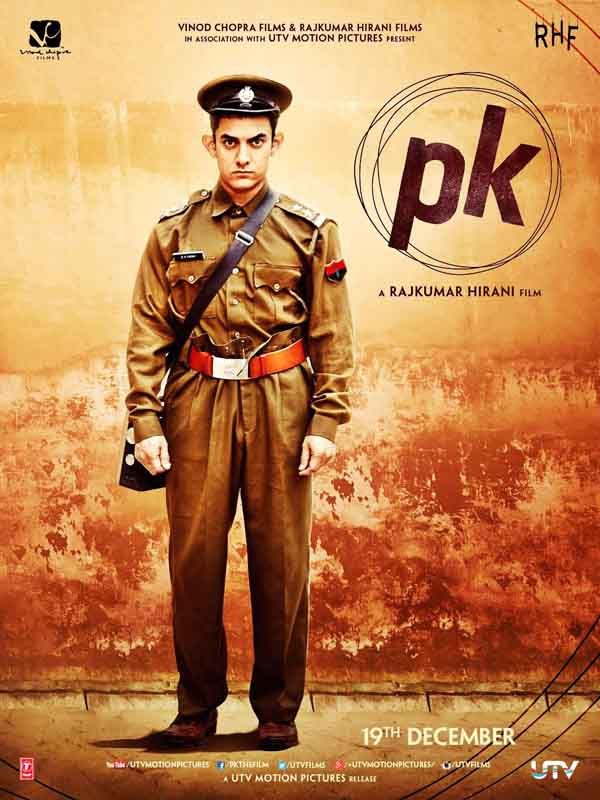
How #PK’s Foreign Perspective Disrupts Religion and Faith
Released in 2014, PK is a rare exception among mainstream Bollywood films. It is more than just a comedy or drama. It is a sci-fi satire, rated 8.1 on IMDb. Directed by the acclaimed Rajkumar Hirani, this film uses lens of an extraterrestrial from outer space to raise unsettling issues that humans often ignore.
The premise is deceptively simple. An alien named P.K. lands on Earth. He loses the remote control he needs to contact his home planet. But before he can find it, he has to navigate human society. He does this without any cultural background.
P.K.’s innocent observations will make you laugh, but at the same time, they make us reflect on the systems we have built around our beliefs.
The Alien Gaze on Human Dogma
这部电影之所以能引起如此深刻的共鸣,是因为它的方法。 PK 很天真。 他是无辜的。 他不知道种姓、信仰或肤色的规则。 因此,当他看到两个人向不同的神祈祷时,他看不到精神上的分歧。 He sees a malfunction.
对他来说,这就像看着有人试图通过向发动机倒水来启动汽车。 为什么人们相信对特定偶像大声喊叫就能实现他们的愿望? 为什么圣人要钱来施行奇迹,根据他们自己的经文,这些奇迹应该是免费的?
故事讲述了 P.K. 取回遥控器的旅程。 这样做,暴露了我们对待信仰的矛盾。 Hirani doesn’t attack religion itself. 他攻击business of religion 他攻击中间人。 牧师们。 The gurus. 从人类绝望中获利的系统。
Why It Sparked Debate
你不能在不承认这部电影所引发的firestorm的情况下谈论这部电影。 因为 P.K. 质疑一切,他最终质疑“我们”认为神圣的一切。 他问上帝为什么需要电话号码来聆听祈祷的场景不仅有趣。 这是挑衅性的。
这引发了抗议。 一些团体称其为亵渎神明。 其他人称其为brilliant. 但票房并没有说谎。 人们纷纷涌来观看。 为什么? 因为在内心深处,我们许多人都想知道同样的事情。 我们只是太有礼貌了,没有问。
The Human Core Amidst the Satire
It’s easy to focus on sci-fi elements. Special effects. The concept of the alien. However, the core of the film is actually quite grounded. It’s about love. It’s about loss. It’s about how we use our faith to cope with the pain of separation.
P.K.
I met a reporter named Jia Gu.
Through their friendship, we see how faith can be both a comfort and a cage.
Jaggu’s personal tragedy drives the plot and gives P.K.’s abstract questions very real, human stakes.
The film balances the absurdity of the ritual with the true sadness of losing a loved one.
A Lasting Cultural Impact
多年后,PK 仍然是印度世俗主义和灵性讨论的试金石。 它挑战了现状。 它让观众嘲笑那些需要他们尊敬的机构。
它改变了世界吗? 可能不是一夜之间。 但它却埋下了一颗种子。 它提醒了


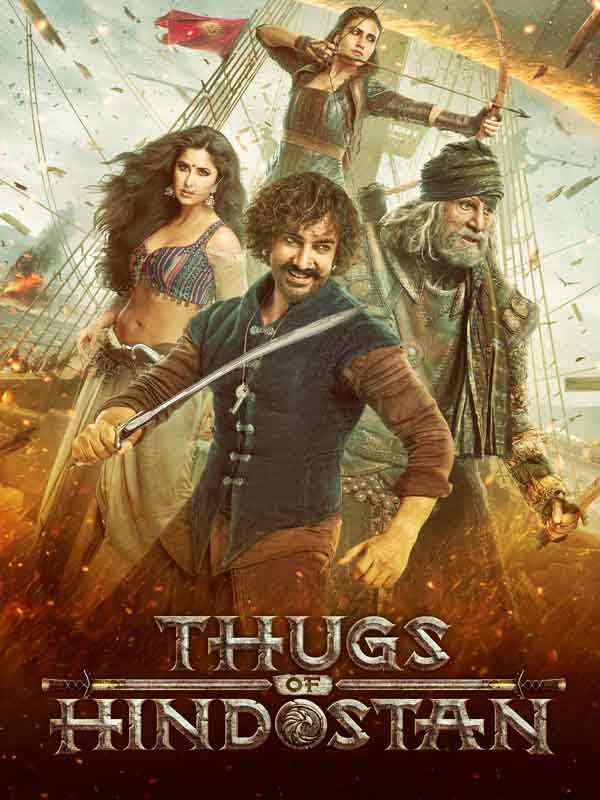
Thugs of Hindostan (2018): A flashy, flawed rebellion
If you’re looking for an unforgettable movie recommendation that combines intense action with historical drama, Thugs of Hindostan might be on your radar. Directed by Vijay Krishna Acharya, this Bollywood epic released in 2018 is about the battle against the British East India Company in the 18th century. This is supposed to be a story of rebellion, justice and freedom. It has a 4.0 rating on IMDb, which says something about its execution, if ambitious.
The plot tells the story of a rebel group fighting against colonial rule. Visually, it delivers on your expectations with expansive battle sequences and dynamic conflicted characters. It was an swashbuckling adventure with political resistance. You get the spectacle. You get the drama. Whether you find it memorable or just forgettable depends on your tolerance for dramatic pacing.
The film relies heavily on star power and set pieces to carry the weight of the story. Historical accuracy is flexible, but characters clash, swords are swung, and the stakes are high. Fans of historical action-adventure films will get a unique taste of the blockbuster era of Indian cinema. This is not subtle. It’s loud, colorful and unapologetically dramatic.
Do you want complete historical fidelity or just epic scale? The film responds with fireworks and fierce battles. This watch is for anyone who wants to understand how Bollywood deals with anti-colonial epics. The legacies of these real people are dramatized, sometimes to the point of distortion, but always visually.
It received mixed reviews, mainly because the script struggled to balance the many characters and the plot. The fight scenes are still impressive. The costumes are bright. The setting is richly rendered. This is entertainment that needs to be seen on the biggest screen possible. You won’t be bored. You might be exasperated. But you remember the spectacle.
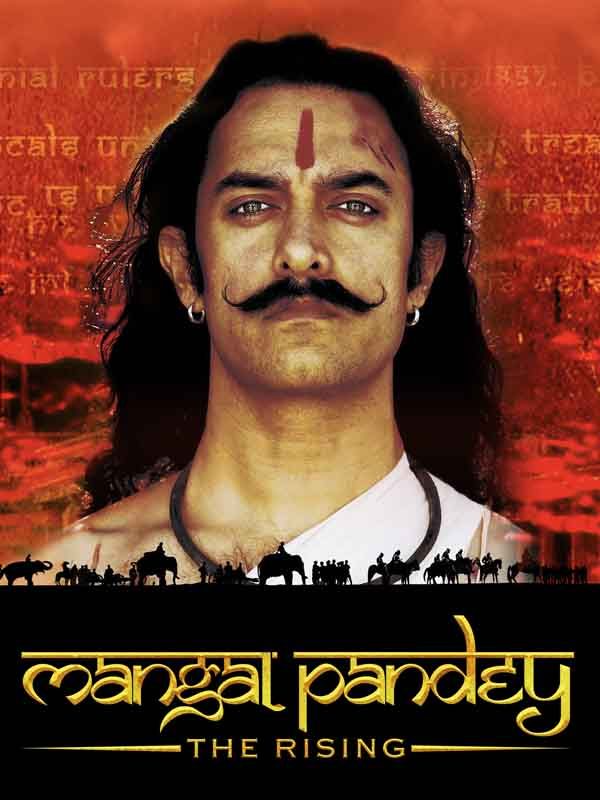
Mangal Panday: The Story Behind The Rise
Ketan Mehta’s historical drama, released in 2005, delves into the life of the rebel who ignited the Indian rebellion of 1857. This movie has an IMDb rating of 6.7, it tells his story, not just the dates. A dramatic depiction of the internal conflict between Mangal Pandey and the oppressive machinery of the British East India Company.
The crux of the story is Pandey’s refusal to accept the status quo. He is not just a passive observer of injustice; He becomes a spark. Opposing the systematic brutality of colonial rule, his actions serve as the catalyst for a larger movement. The film depicts the transition from personal struggle to national rebellion, connecting the personal conflict to a larger historical scale.
This is a biography about how one man’s courage changed the course of history. Balancing gritty realism and emotional depth, the film celebrates the spirit of rebellion while showing the heavy toll of rebellion. For fans of Indian independence cinema, this film offers an unvarnished look at the early stages of the freedom struggle.
The production values emphasize the story and turn the historical facts into a fascinating visual experience. It’s not just about fighting. It’s the mindset that makes the fight possible. Pandey’s legacy lives on here, not as a distant historical figure, but as an important figure under great stress.
Looking at it now, the theme feels surprisingly modern. The tension between authority and individual conscience permeates every frame. Mehta manages to keep the focus tight on Pandey’s internal state even when the external stakes are life or death.
Supporting characters set the stage for this high-stakes drama and provide context for the political climate of the era. Her interactions with Pandey highlight the loneliness she faces and the weight of her decisions.
Does this film adequately portray the complexities of the 1857 rebellion? It certainly provides a strong starting point. Viewers can feel the anger and despair that fueled the rebellion. It’s a powerful reminder of the human costs of political change.
Visual storytelling is especially effective during key confrontation scenes. You can feel the tension in the air and the uncertainty surrounding every decision. It’s this immediacy that keeps the audience engaged, even if the historical outcome is already known.
For those interested in the origins of Indian independence, this movie provides an important perspective. It shows how local discontent can snowball into a nationwide crisis.
As is often the case with important moments in history, the ending leaves more questions than answers. It doesn’t tie everything together properly. Instead, I urge you to think about the wide-ranging effects of Pándzi’s actions and his remaining legacy.
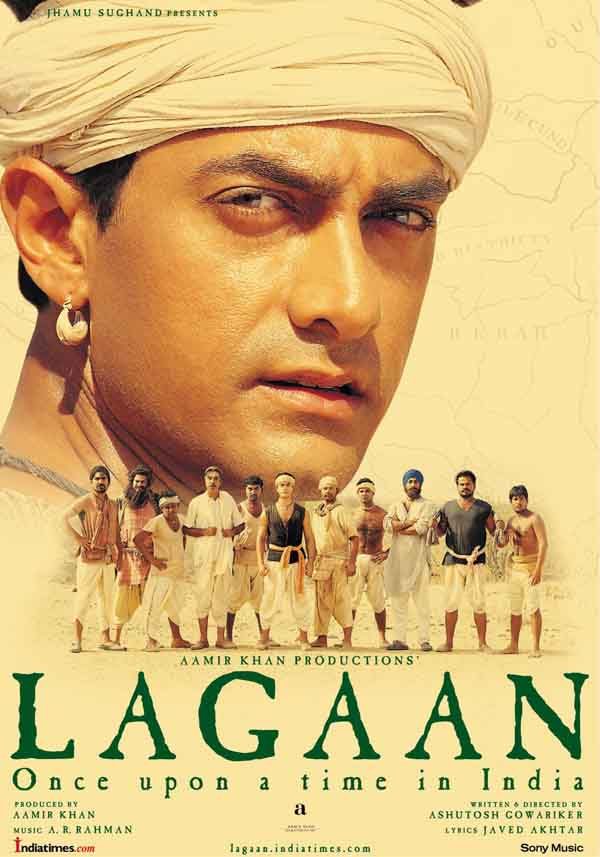

Set in India against the backdrop of British colonial rule, Once Upon a Time in India (2001) is more than just a sports film. This is an epic drama that uses cricket for a greater battle. Directed by Ashutosh Gowariker, the film has maintained an impressive IMDb rating of 8.1 over the years, indicating that its story continues to resonate with audiences around the world.
Game betting
The plot begins in a drought-stricken village, where British officers demand an increase in land tax, or “lagan”. The villagers are on the verge of starvation. Enter Bhuvan, a young rebel leader who challenges the corrupt British officer Captain Russell.
The terms of the bet are brutal. If the villagers win a cricket match, three years of taxes are wiped out. If they lose, they have to pay double the tax. This is a “you win, we live; you lose, we die” scenario. It’s not just pride. It’s about survival and justice in a system rigged against them.
Learning the Game of Shadows
这是一个转折点。 没有一个村民会打板球。 他们甚至从未见过球棒或球。
所以,他们必须从头开始学习。 而且不仅仅是从头开始——他们必须秘密学习,躲避嘲笑他们无知的英国人。 影片在这个训练蒙太奇上花费了大量时间,实际上非常精彩。 它展示了文化冲突的缩影。 英国人认为板球是绅士运动,充满规则和礼仪。 村民们将其视为一种新武器。
团队的多样性是这里的关键。 有高种姓的印度教徒、穆斯林、低种姓的达利特人和不顾社会禁忌想要玩耍的女性。 Bhuvan的领导将他们聚集在一起。 他告诉他们规则对每个人都是一样的,至少在球场上是这样。 在这九十分钟里,种姓和宗教并不重要。 只有分数可以。
Why It Works Beyond the Screen
Critics often point to the film’s running time as a drawback, but its length can provide insight into character development. You care about the players because you see their fears and their hopes.
When it comes to music, A.R. Rahman is unforgettable. Songs like Mitwa and Ghanan Ghanan are more than just background noise. They guide the emotional arc of the film. The climax of an exciting cricket match is beautifully edited. The future of the whole village depends on every run, every wicket.
Cultural Impact
『ラガーン』 は、第 74 回アカデミー賞の最優秀外国語映画賞のインドの公式エントリー作品です。 受賞はしませんでしたが、この部門でオスカーにノミネートされた初のインド映画となり、歴史を作りました。 この作品はインド映画に世界舞台での扉を開き、特定の地域の文脈に根ざした物語が普遍的な魅力を持ち得ることを示しました。
弱者の物語のファンにとって、これはマスタークラスです。 これは、緊張を生み出すために多額の予算が必要ないことを証明しています。 必要なのは、一か八かの賭けと失うもののないチームだけです。 この映画は説教臭くならずに抵抗の精神を捉えている。 それ
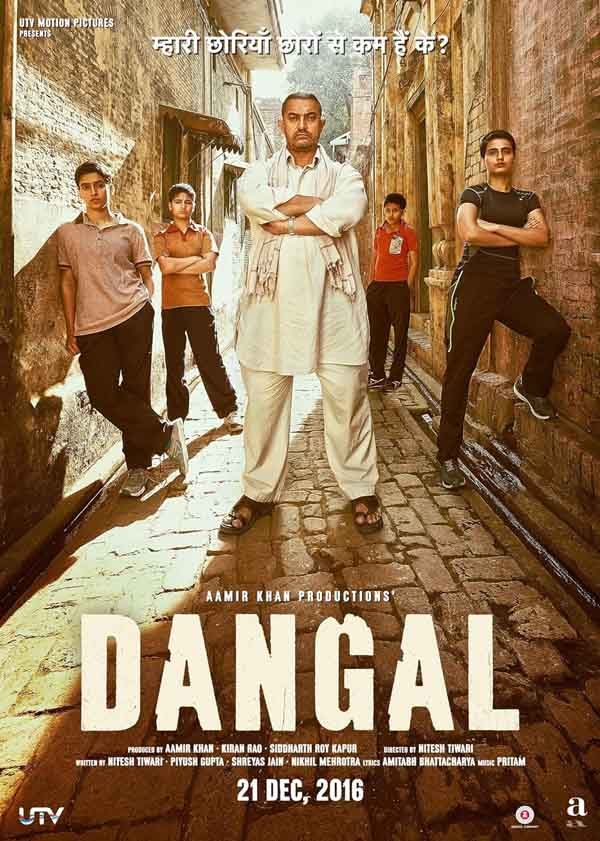

The Real Story Behind Dangal’s Gripping Wrestling Drama
Released in 2016, Dangal isn’t just another sports biopic. It’s a brutal, beautiful look at ambition wrapped in familial duty. Directed by Nitesh Tiwari, the film snagged an 8.4 on IMDb, proving that audiences are hungry for stories that hit hard and stay with you.
The plot? It’s rooted in reality. Specifically, the life of Mahavir Singh Phogat, a former wrestler from India’s Haryana state. He didn’t just dream of gold; he forced his daughters, Geeta and Babita, into the ring to realize that dream. In a culture where gender roles are often rigid, this was rebellion. The movie tracks their journey from local mats to the international stage, carrying the weight of their nation on their shoulders.
Why does it work so well? It’s not just about winning matches. It’s about the sacrifice. The film leans heavily into the power of family bonds and sheer, unadulterated grit. You feel the sweat. You feel the pressure. It’s an emotional rollercoaster that leaves you inspired, not just entertained.
Breaking Stereotypes Through Sport
Geeta and Babita’s path to representing India wasn’t paved with easy victories. It was paved with early mornings, strict discipline, and constant societal pushback. The film doesn’t shy away from the friction between traditional expectations and these girls’ ambitions.
- Biographical Depth : The story is based on the true accounts of the Phogat family.
- Genre Blend : It mixes sports action with drama and deep biographical elements.
- Cultural Impact : It challenged the status quo in Indian cinema and beyond.
When you watch them train, you see the transformation. It’s not just physical. It’s mental. Mahavir’s methods were harsh, yes, but they were effective. The narrative asks a simple, powerful question: How much are you willing to sacrifice for a dream?
A Global Sensation
The success of Dangal wasn’t confined to India. It became a global sensation, particularly in China, where it broke box office records for a foreign film. This wasn’t an accident. The themes of parental sacrifice, national pride, and underdog triumph are universal.
The performances anchor the film. Aamir Khan, playing Mahavir, undergoes a physical transformation that is almost shocking. His portrayal captures the intensity of a father who sees his daughters’ success as his own legacy. The young actresses playing Geeta and Babita bring a raw energy that feels authentic.
“The film is a testament to the fact that talent knows no gender, but opportunity often does.”
This wasn’t just entertainment. It was a statement. By the time the final whistle blows, you’re not just thinking about the score. You’re thinking about the journey. The struggle. The triumph.
Why It Still Resonates
Years later, Dangal remains a touchstone for sports dramas. It avoided the typical Bollywood gloss, opting instead for a grounded, realistic style. The wrestling sequences are choreographed to feel visceral, not pretty.
For fans of biographical sports films, it offers a different flavor. Less about the glory, more about

Blueprint for a modern Indian friendship film
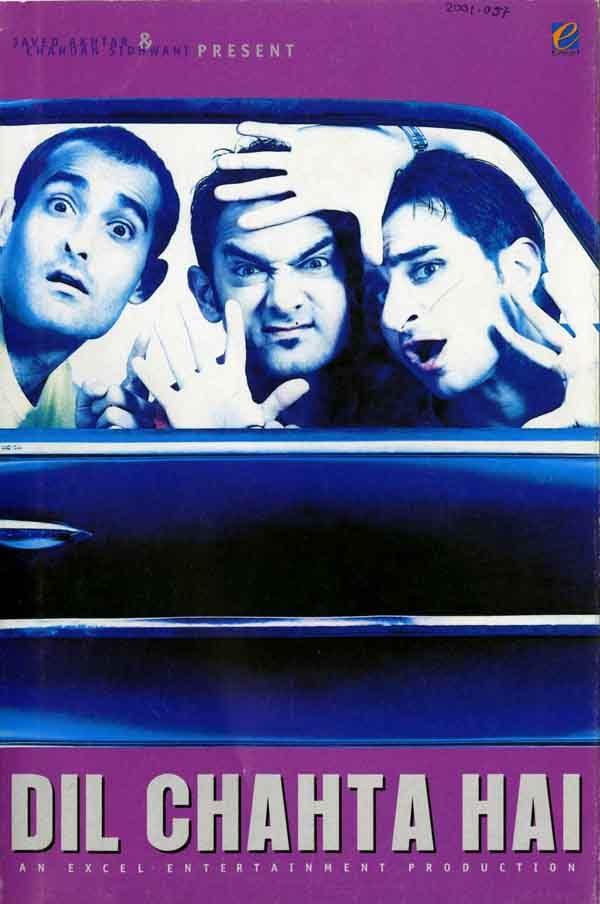
Kalbin Arzusu (known worldwide as Dil Chahta Hai ) was released in 2001, but it was more than just a movie. From then on, Hindi cinema stopped looking in the mirror and started looking at the street. Directed by Farhan Akhtar, the film has scored an impressive 8.1 on IMDb. This score reflects lasting impact rather than Fleeting Nostalgia. This movie is at the intersection of comedy, drama and romance, but calling it a “romantic comedy” is completely missing the mark.
The story follows three best friends Akash, Sameer and Siddharth as they cross the chaotic border between childhood and adulthood. They are not a monolith. Everyone brings a unique personality and a very different love and lifestyle to the table. Akash is a dreamy romantic. Sameer is a player who thinks he has it all figured out. Siddharth is a practical man, often caught in the middle of their chaos.
The film captures the unique anxieties of today’s Indian youth, where traditional expectations and modern wishes collide.
With this dynamic trio, the friendships explored in this film are not static backdrops, but rather living, breathing entities that evolve under pressure. The story delves into their personal love affairs and the conflicts that are inevitable when their lifestyles collide. It explores the emotional and personal growth of young people with a pointed and understated look at how relationships work (and fail) in Modern India.
What makes this movie stand out? Because it’s a departure from the legendary song and dance performances of the past decade. Instead, it focuses on realistic dialogue, natural lighting, and characters that feel like people you might actually know. This was a turning point in modern Bollywood cinema, proving that stories about ordinary people living ordinary lives can become blockbusters. This defined a new era in filmmaking where character depth was as important as star power.
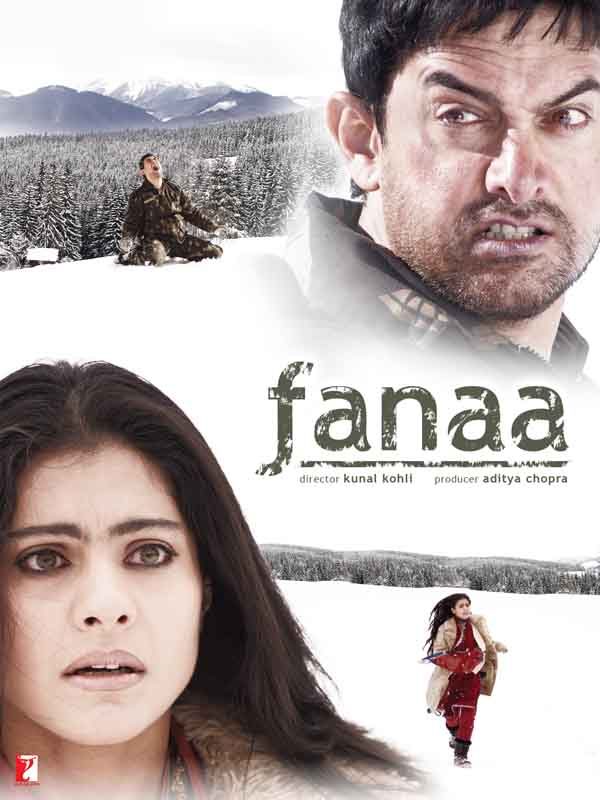
Released in 2006, Kunal Kohli’s Fanaa (also known as Yok Oluş ) is a mix of romance, drama and political thriller. It has a 7.2 IMDb rating, but don’t let the score fool you into thinking this is just another Bollywood melody. In this story, love is more than just a feeling. It is a weapon, a distraction, and ultimately a tragedy.
The story revolves around Zooni, a blind Kashmiri woman, and Rehan, a man with a dark past. When the two meet, Zooni’s worldview changes radically. Rehan teaches her to see the world differently, through emotion and intensity not through sight. He becomes her eyes, but she also becomes his danger.
Rehan’s ties to terrorism are more than just background noise. This is the engine of the plot. His dark history with militant groups creates tensions that make any romantic moments seem dangerous. The film does not shy away from the complexity of this dynamic. This work raises uncomfortable questions about whether violence can be accompanied by loyalty, sacrifice and love.
Kohli makes the Kashmir conflict more than just a scenic backdrop. The political turmoil reflects the inner turmoil of the characters. Zooni and Rehan’s relationship is a microcosm of the larger struggle, intense, passionate, but ultimately unsustainable.
The emotional journey is steep. You feel the weight of their choices. Every decision you make has a ripple effect that not only affects your lover but everyone around you. The script forces the audience to confront the idea that some loves are destined to end in destruction.
The finale is where the film earns its keep. It doesn’t offer tidy resolution or happy endings. Instead, it offers a lingering conclusion that forces the audience to sit with the aftermath of the characters’ choices. The world of Fanaa reminds us that love does not conquer all. Sometimes, it just consumes.
The Role of Kashmir in the Narrative
This setting isn’t arbitrary. Geopolitical tensions in Kashmir provides the pressure cooker for romance. The film uses the landscape to reflect the internal states of the characters, and while it is beautiful, it is fraught with danger. For viewers interested in how location affects storytelling, Fanaa offers a case study in atmospheric narrative. Politics wasn’t the only thing that was mentioned. they are alive.
ファナアが共感を呼ぶ理由
この映画の劇的な極端さにもかかわらず、その感情的な正直さは人々の共感を呼びました。 テロを美化したり、紛争を単純化したりするものではありません。 政治的な悪夢の中で人間の物語を語ります。 このバランスにより、この映画は公開後何年経っても影響力を持ち続けることができます。 これは単なるラブストーリーではありません。それは、個人の生活がより大きな力によってどのように破壊されるかについての解説です。
ボリウッド映画のファンにとって、ファナアはその大胆さで今でも際立っています。 期待されるロマンスと予想外のスリラー要素を混ぜ合わせて、ジャンルを混合するにはリスクが伴います。 その結果、視聴者をただ楽しませるだけではなく、挑戦的な映画が完成しました。 不穏かつ美しい物語を展開する注目の作品です。
ファナアの遺産は、興行収入や受賞歴だけではありません。 それがどのように描かれているか
Why ‘Rang De Basanti’ is still the quintessential political drama
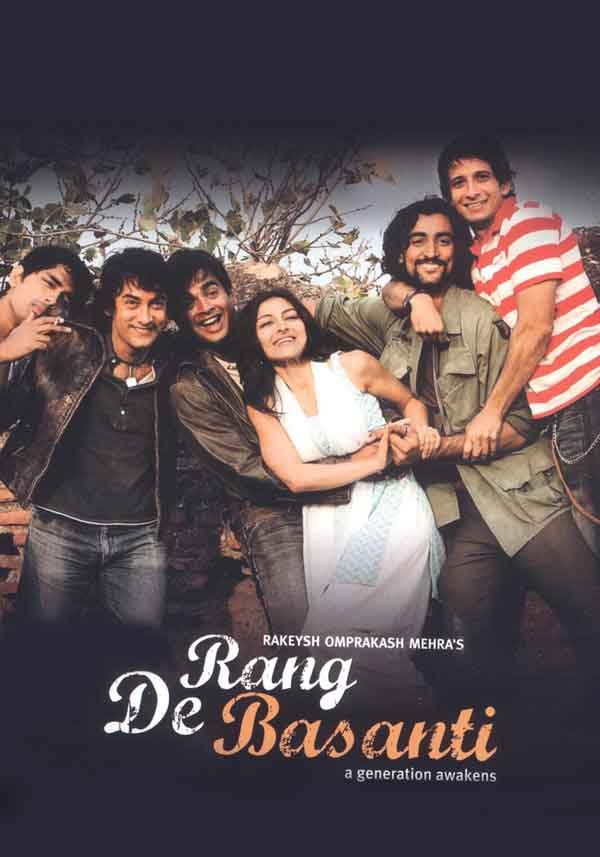
Released in 2006, Rakesh Omprakash Mehra didn’t just break box office records in India. It started a conversation about activism that is still important today. The film has an IMDb rating of 8.1, cementing its place as a modern classic of South Asian cinema. This isn’t just drama. This is a cultural touchstone that bridges the gap between historical reverence and modern disillusionment.
The basic premise is deceptively simple. A group of university students gathered to make a documentary about four young freedom fighters at the beginning of the 20th century. They were revolutionaries who really opposed the British colonial rule. However, as production progressed, things changed. Students no longer see these historical figures as distant icons on the screen. They begin to see themselves in the sacrifices of their predecessors.
历史与腐败之镜
这部电影有着强烈的相似之处。 它提出了一个令人不安的问题:为什么当前系统会失败?
随着学生们更深入地了解自由战士的生活,他们开始认识到他们那个时代的印度政府也存在同样的愤世嫉俗和腐败现象。 国家的理想主义承诺与日常生活的严峻现实之间的差距变得不容忽视。 该纪录片项目从一项学术任务转变为个人和政治觉醒的催化剂。
这部电影不只是告诉你要积极主动;它还告诉你要积极主动。 它向您展示了历史如何在当下回响。
这不是一个关于真空中的投票或政策辩论的故事。 这是关于年轻人决定不再把目光移开的发自内心的时刻。 故事讲述了民族身份 的重量和沉默的代价。 它表明,自由不是1947年实现的一次性事件,而是一场持续的斗争,需要每一代新人拿起接力棒。
More than just a movie
The reason ‘Rang De Basanti’ still captivates audiences after all these years is because it refuses to offer easy answers. It does not depict extremism as a purely heroic act. It shows the confusion, anger and personal loss that comes with rebelling against a system that feels rigged.
The title itself means “Please me like an Indian girl”, which is ironic. He quotes a poem about a British officer’s daughter and emphasizes the complex colonial heritage. But in the movie, the meaning changes. It becomes a story that speaks for itself. It’s about restoring the spirit of resistance not from textbooks but from lived experience.
For fans of political thrillers and historical dramas, this film offers a rare combination of emotional depth and intellectual provocation. Heroes are not visible from afar. It’s about watching friends become activists and realizing that the line between observer and participant is thinner than we’d like to admit.
The ending doesn’t tie everything up with a neat ribbon. The real world is in chaos. Just because a few students decided to protest doesn’t mean the government will magically solve the problem on its own. However, this movie leaves you feeling rushed. It is a reminder that the silence of previous generations was broken by those who wanted to speak. For now, the question is open. How would you describe your life?
让我们先了解一下基础知识。 阿米尔·汗不仅是宝莱坞的明星,也是更是电影界的一个标志性机构。 穆罕默德·阿米尔·侯赛因·汗,1965年3月14日出生于孟买,现年龄59岁(截至2024年)。
但不要让年龄欺骗了你。
他的职业生涯跨越了数十年,他对印度电影的影响可以说比任何其他人都更深。
家庭背景与早期起步
Khan comes from a family with close ties to cinema. His father Tahir Hussain is a producer. His uncle Khwaja Ahmad Abbas is a famous director. Growing up in that environment didn’t just give him opportunities. This gave him an education. He started working before most children finished elementary school.
He sang in the film when he was only 8 years old. At the age of nine, he played a teenage character. Many believe that his big break came in the movie Qayamat Se Qayamat Tak in 1988. The movie was a huge hit and made him a leading man. But his first lead role in a film was actually earlier, in 1984.
个人生活与情感关系
彼の私生活は、職業生活と同様に公的なものです。 彼は二度結婚しました。
彼の最初の結婚はリーナ・ダッタでした。 彼らは 1986 年に結婚し、2002 年に離婚しました。 彼らには 2 人の子供がいます。
* ジュナイド・カーン : 1987年生まれ。
* 伊拉·汗 : 1997年生まれ。
彼は 2005 年に映画プロデューサーのキラン・ラオと結婚し、現在も結婚生活を続けています。 彼らには息子が1人います。
* アザド・ラオ・カーン : 2011年生まれ。
以品质定义职业生涯
カーンは演技だけに留まらなかった。 彼はプロデューサーと監督に転向し、映画のビジネス面と演技面を理解していることを証明しました。 彼の映画はインド内外で興行記録を更新し続けています。
批評家たちは彼を愛している。 観客は彼を愛しています。 賞はこれを裏付けています。 彼はこれまでに 4 つの印度国家电影奖と 7 つのフィルムフェア賞を受賞しています。 これらは参加トロフィーではありません。 これらは、深さ、変革、リスクを必要とする役割に適しています。
银幕之外
What distinguished him from many of his contemporaries was his commitment to social causes. He just didn’t give money. He uses his platform to drive change. Projects like Taare Zameen Par (fighting dyslexia) and his advocacy for water conservation show that his ‘social responsibility’ is not a PR stunt. It is the core of his identity.
So when you ask who is Aamir Khan, the answer is more than just ‘actor’. We are a combination of performers, producers, directors and social activists. He is the rare star who can maintain his credibility and achieve audience appeal at the same time. In an industry built for spectacle, this is a difficult trick to pull off.
Where will he go next? Nobody knows for sure. However, given his history, anything he touches is likely to raise eyebrows. The question is not whether he will continue to be active. 而是他将树立怎样的新标准
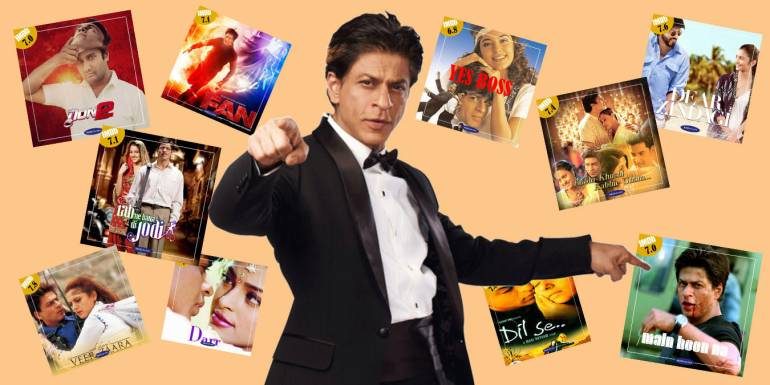
The enduring magic of SRK’s film legacy
You can’t talk about Bollywood without mentioning the brick wall that is Shah Rukh Khan. He is more than just an actor. He has been the infrastructure of Indian cinema for the past three decades. From brooding lover to action hero to eccentric businessman, Khan switched genres with a speed few stars could match. But why is his filmography still so great? It’s not just charm. It was the sheer volume of hits that redefined what a blockbuster could look like.
The definition of a modern romance hero
Let’s start with the basics: How Shah Rukh Khan Changed the Romance Genre. Before him, the “angry young man” dominated the screen. Khan brings vulnerability. In Dilwale Dulhania Le Jayenge (DDLJ) he didn’t just woo Kajol; he created a template for modern romantic heroes that are still imitated today. The scene where he runs through the train station? Iconic. This is more than just a movie. It became a cultural touchstone that played in London cinemas for over 25 years. Such longevity is rare in the world.
And then came ‘Kuch Kuch Hota Hai’. This movie made him the king of romance. Not only does he have great chemistry with Kajol, but his style, music and youthful charm are also great. This is more than just a love story. This is a lifestyle brand. Fans still dress up as Anurag and Tina because Khan made their characters aspirational.
Breaking the mold with action and thrillers
If you think SRK only does romance movies, you haven’t seen Don or Pathaan. Khan has proven that he can create high-octane action scenes as easily as he can create slow-burn dramas. The 2006 remake of Don revealed a darker, more violent side to his performance. He’s not the boy next door. He is a dangerous and unpredictable force. This calculated risk-taking paid off and expanding his audience beyond traditional romance fans.
Recently, ‘Pathaan’ has made a huge comeback. After several years of mixed results and personal challenges, Khan is back with a film that reminds everyone why he is a global star. Khan’s chemistry with Deepika Padukone and John Abraham works well as he leaned into his own legend. He plays a role that is both a spy and a bit of a rogue, This is more than just a movie. This is a statement. He’s still relevant.
Why his characters resonate around the world
The question “Which Shah Rukh Khan movie is the best?” It is impossible to answer objectively. It depends on what you are looking for. Do you want emotional devastation? Chak De! India we see a different kind of heroism based on teamwork and redemption rather than romance. It shows his ability as a director and actor to lead a sports drama with courage and honesty.
Or maybe you want the chaotic energy of Chennai Express. Despite divided critics, it remains a commercial juggernaut, Khan’s ability to anchor a film with his presence is unparalleled. In “Zero,” he deals with a different kind of vulnerability, playing a dwarf looking for love in an often overlooked world.


