How #celestialmechanics drives modern spaceflight and explains the tides
Celestial mechanics is the mathematical backbone of astronomy. This is a branch dedicated to predicting how celestial bodies move through space. Without it, we won’t know where Mars or the Moon will be in the sky in a few months, we can only guess.
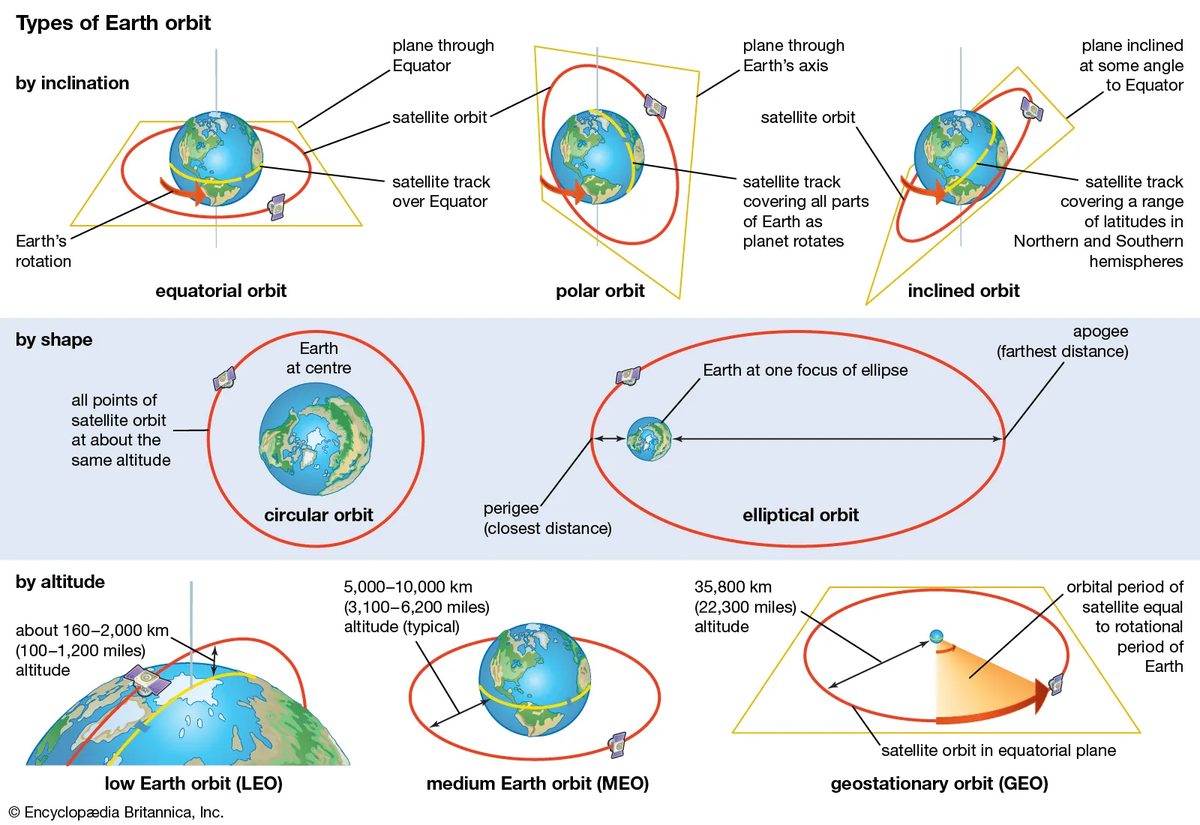
The field rests on two pillars built centuries ago. Johannes Kepler published his law of planetary motion between 1609 and 1619. He explained how the planets orbit the sun in an elliptical shape rather than perfect circles. Then there was Isaac Newton. His Laws of Motion and Gravitation, published in 1687, explain “why” these orbits occur. Gravity is an invisible chain.
By the 18th century, mathematicians had developed powerful analytical tools. These methods allow scientists to interpret observed movements of objects in our solar system with incredible precision. They can predict solar eclipses and planetary alignments in advance.
The field is divided into different focus areas. One department studies the effect of gravity on rotating objects. This has direct and concrete applications here on earth. This explains why there are tides. Due to the attraction of the moon and the sun, the oceans of our planet are expanding. The same principle applies to other objects in space, such as how their shape changes under pressure.
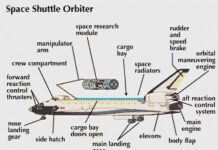
Another important area was what is now called orbital mechanics or flight mechanics. This is the practical side of celestial mechanics. Study the motion of spacecraft under the influence of gravity, thrust, atmospheric drag, and other forces. It’s not just about the planets anymore. It is about us, reaching out.
Engineers use this science to calculate the trajectory of each phase of a space mission. They decide how to get into space. They figured out how to achieve a stable orbit. They plan for rendezvous with other vehicles. They planned a descent route to Earth. They planned flights to the moon and interplanetary journeys.
“Orbital mechanics makes it possible to send probes to outer planets by using gravity assists.”
Without these calculations, the spacecraft would either crash into a planet or plunge into the dark interstellar medium. The difference between success and failure is only a fraction of a degree in trajectory.
Science has progressed from tracking stars to manipulating metal shells. However, the core issue has not changed. How do we navigate a gravity-dominated universe? The answer lies in mathematics. That’s accurate. It’s merciless. it works.