Plants are not just wallpaper. Some of them are attackers. Scientists usually call them exotic or alien species, but the effect is the same. They show up where they don’t belong. And they bring problems.
Humans play a big role in their migration. Sometimes we plant them on purpose. Perhaps for their beauty or utility. Sometimes they get a lift. The seeds get stuck in the transport containers. Dirt sticks to the tires. Trade routes act like highways of biological chaos. When they get outside their natural range, they don’t just sit there. They colonize.
The consequences are measurable. Invasive plants take over ecosystems. They displace the local flora. In agriculture, this means smaller yields. Plants don’t thrive when the competition is so fierce. Farmers lose money. Consumers pay more. It is a direct economic blow.
But the damage is not just financial. It’s biological. And it’s personal.
Consider ragweed. It is one of the most aggressive attackers. It spreads quickly. It thrives in fields as well as in gardens. But its real weapon is pollen. Pollen is highly allergenic. For millions of people, it’s a seasonal nightmare. Sneeze. Itch. Breathing problems. The plant doesn’t just outgrow other plants. It outcompetes human comfort.
Climate change will make this even worse. Warmer temperatures open up new areas. Areas that were previously too cold for these species are now hospitable. The attack window is getting bigger and bigger.
We need to understand how these plants move. And most importantly, how they last. Because once they’re here, they don’t leave easily.
The invisible war in our backyards
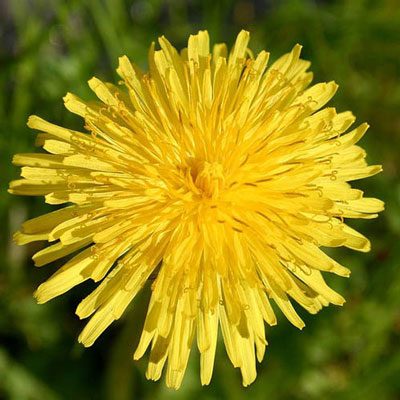
Invasive plants are everywhere. You may not see them as enemies, but they are actively changing the genetic and ecological map of your local environment. The list of botanical invaders is long and growing, from the humble amaranth to the ubiquitous dandelion and worse witch’s hammers. It’s not just about the aesthetics of the garden. It’s about survival.
The damage caused by these species ranges from subtle to catastrophic. They compete with native flora for sunlight, water and soil nutrients. They change soil chemistry. They disrupt the food web that local insects and birds rely on. Understanding how to identify invasive plants is the first line of defense. Once recognized, the battle becomes control.
Why these plants win
The question is not just which plants are invasive, but why they succeed where native species fail. This is often because they lack natural enemies in their new environment. The plant could develop defenses to fight local herbivores. When it travels across the ocean, these predators don’t follow it. The result is unrestrained growth.
Consider amaranth. Once a staple crop for ancient civilizations, they have become aggressive weeds in modern agricultural systems. They multiply quickly. They drop seeds that can rest in the ground for years, waiting for a perfect condition to come back to life. This flexibility makes them incredibly difficult to dispose of.
“Invasive species are the second leading cause of biodiversity loss worldwide after habitat destruction.”
This is not just an academic statistic. It translates to real economic costs. Farmers lose yield. Gardeners lose time. Municipalities spend millions on removal efforts. Ecological costs are harder to measure, but far more devastating. Native species are displaced. Unique genetic lines disappear. The landscape is homogenized.
The Tools of Eradication
How do we defend ourselves? There is no magic bullet. Effective management requires a multifaceted approach.
- Physical removal: Pull plants by hand or with mechanical tools. This works for small infestations but is labor intensive.
- Chemical control: Herbicides can be effective, but they pose risks to non-target species and water sources. Precision is key.
- Biological control: Bringing natural enemies or pathogens from the plant’s original range. This is risky and requires rigorous testing to avoid creating new problems.
- Prevention: The most effective strategy. Preventing new arrivals with strict biosecurity measures and public education.
For home gardeners, the strategy often starts with prevention. Avoid planting known invasive plants in your area. Buy seeds and plants from reputable sources that certify their stock is free of invasive species. If you spot an invader, remove it before it sets seed. One plant can produce thousands of seeds. Don’t let it.
The Economic Toll
The cost of inaction is staggering. In Europe alone, invasive species cost billions in damages and control efforts every year. The top five most expensive invasive species often include plants such as Japanese knotweed or giant hogweed. These are not just nuisances. They damage infrastructure. They cause health problems. They require costly legal remediation.
But the costs aren’t just monetary. It’s cultural. Native plants are culturally important to the local community. They support traditional practices. They connect people to their history. When they disappear, a piece