



You can trace the lineage of digital companions straight back to 1997 and the original Tamagotchi. That plastic egg taught a generation how to obsess over a pixelated creature that might die if you ignored it. Two years later. In 1999. Two British students decided to take that concept online. They built a website called Neopets. It was simple. Take care of a fictional pet. Play puzzle games. The formula worked. The site exploded in popularity because it hooked people with both nurturing instincts and puzzle-solving satisfaction.
The business model was sharp. Marketing campaigns weren’t an afterthought. They were woven directly into the game characters and mechanics. Ads felt like part of the fun. This integration allowed Neopets to turn a profit almost immediately. Most startups burn cash for years. Neopets didn’t.
Why Parents Were Worried About Neopets
Not everyone cheered. Critics pointed out early on that the site’s marketing methods could be harmful to children. Let’s be clear. Kids are vulnerable. They don’t always distinguish between a game feature and an advertisement. The line was blurred. That’s a problem.
Then there was the leadership. The company’s CEO had a known background in Scientology. This raised alarms. Some observers feared Neopets was a Trojan horse. An attempt to funnel children into the Church of Scientology under the guise of online play. Whether or not that was the actual intent, the perception stuck. It created a layer of controversy that followed the site for years.
Behind the Screens at Neopets
We’re going to look at who actually built this empire. The creators. The owners. The people pulling the strings behind the colorful avatars and virtual worlds. But we can’t ignore the backlash. The concerns about child safety. The religious connections. The marketing strategies that walked a fine line between engagement and exploitation.
The site’s early profitability came from integrating marketing campaigns directly into gameplay, a strategy that drew criticism for potentially exploiting young users.
This isn’t just nostalgia. It’s a case study in early internet culture. How do you monetize attention without crossing ethical lines? Neopets tried. And succeeded. Until the critics caught up.
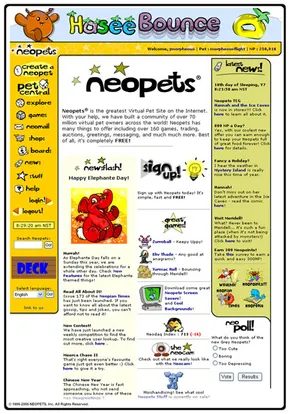

It sounds simple enough. You sign up for a free account and adopt a virtual pet. Behind the scenes, Neopets survives on advertising and marketing revenue, a model that powers a massive, persistent fantasy world. You aren’t just looking at a static image, though. You are managing a digital ecosystem.
Each account allows up to four pets. The roster features 53 distinct varieties, blending real-world animals with outright fantasy creatures. It’s a mix of familiar and bizarre.
The Mechanics of Care
At its core, petting is about survival. You have to feed your Neopet every few days. If you neglect that, things go south. But the interaction goes deeper than basic sustenance.
Want your pet smarter? Read them books. Acquire items through the site’s sprawling economy. The currency is Neopoints (NPs). This is the lifeblood of Neopia.
Prices vary wildly. A simple cheeseburger runs about 200 NPs. Rare, sought-after items? Those can cost tens or hundreds of thousands. Where do you get these points?
There are three primary engines driving the economy:
- Playing games : The site hosts over 140 games. The range is massive. You have simple memory puzzles sitting next to complex 3D actioners. Some tests dexterity. Others demand math skills or a vocabulary that rivals a college freshman’s.
- Marketing surveys : You can fill out surveys or sign up for Neopets affiliates. It’s tedious, but it pays.
- The Market : You can sell or auction items within the Neopets shop and auction systems. This is where the real arbitrage happens.
The Grind and the Gamble
So you’ve earned some NPs. Now what?
You buy food. You buy toys. You gamble on random events that occasionally drop rare items. The line between playing a game and working a job blurs here. You aren’t just entertaining yourself; you’re participating in a player-driven economy.
Some games reward pure skill. Others feel like a tax on your time. The variety is intentional, catering to every type of player. But the underlying message remains the same.
Time is currency. Attention is currency.
The site keeps you coming back with new items, new games, and the promise of that one rare treasure. It’s a cycle of acquisition and maintenance. You feed the pet. You earn points. You buy more stuff.
And somewhere in the middle, you forget what year it is.

Storylines aren’t just background noise. They actively reshape Neopia. The creative team builds these arcs to keep the world evolving. User input drives the plot. Play a specific game. Solve a tricky puzzle. The outcome decides the fate of the realm.
A new area might open up. A villain could vanish for good. Think about the Tyrannia invasion. Monsters attacked. Players had to fight them off in the Tyrannian Battledome. That wasn’t just a mini-game. It was part of a larger narrative. The story changed because users engaged with it.
This engagement is why Neopets remains one of the stickiest sites on the web. Users don’t just visit. They stay. They invest time. The interactive stories create a feedback loop that keeps people coming back.
Beyond the site itself, the Neopets brand has expanded. Licensing deals have brought these characters into new spaces. From toys to digital apps, the franchise has found ways to extend its reach. The core appeal remains the same: a living, breathing world shaped by its community.
The Secret to Long-Term Engagement
So why does it work? It’s the sense of agency. Users feel like their actions matter. When you help defend Tyrannia, you’re not just earning points. You’re contributing to the lore. This connection fosters loyalty.
The site’s longevity is a testament to this design. Other virtual worlds come and go. Neopets endures. Part of that is the licensing strategy. By placing characters in various media, the brand stays visible. It reminds lapsed users of what they loved. It attracts new ones curious about the history.
But the real magic is in the community. The stories are collaborative. They require participation. Without users solving puzzles or battling monsters, the plot stalls. The world feels static. With them, it thrives.
Is it the nostalgia? Maybe. But it’s also the mechanics. The game rewards persistence. It rewards creativity. And it rewards those who pay attention to the narrative clues hidden in the code.
The future of Neopets isn’t just about old users returning. It’s about new players discovering these interactive stories. The stickiness isn’t accidental. It’s engineered. Through games. Through puzzles. Through a shared belief that your effort shapes the world.
That’s a rare thing online. Most sites want your data. Neopets wants your story.
And that’s why the Neopets are still here. Still moving. Still waiting for the next player to pick up the controller.

Neopets claims to be one of the stickiest websites on the internet. The numbers back it up. Users spend an average of six hours and 42 minutes per month on the site. That is not a typo. It is a massive chunk of time.
How does a cartoon pet site hold that kind of attention? It isn’t an accident. Neopets masters several key strategies for web engagement.
Content That Never Ends
The site is packed with activity. Users rarely run out of things to do. This high-quantity content is a major retention driver. There are always new games to play. There are always hidden items to find.
The team updates the site almost daily. New games drop. Contests start. New creatures appear. Storylines evolve. Users return constantly to see what is new. The fear of missing out keeps them clicking.
Building a Digital Tribe
Community is central to the experience. Neomail allows private messaging. Neofriends creates a social graph. Message boards facilitate public discussion.
People spend significant time talking to friends. They make new ones. This community aspect turns a solitary game into a social hub. You stay because your friends are there.
The Endless Reward Loop
Return visits are not ignored. Neopets rewards users with Neopoints and items. There is no ultimate goal. No final boss. No “game over” screen that ends the journey.
Users continue to accumulate points. They collect more items. The lack of a finish line means the grind never stops. You can always get a little bit more.
Recruitment adds another layer. The referral program rewards users who bring in new friends. It turns loyal players into marketers.
Beyond the Browser
Neopets expanded far beyond the web. The studio licensed its characters and name to manufacturers worldwide. This created a massive Neopets merchandise ecosystem.
Collectible Card Games
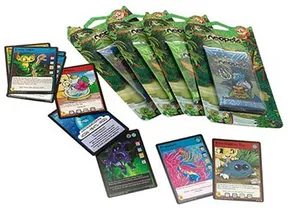
Wizards of the Coast produced the Neopets Collectible Card Game. They are known for Dungeons & Dragons and Magic: The Gathering. Their approach fit Neopets well.
Each pack contains several cards. Some are rare. Others are common. Players build their own decks. This means every player has a unique strategy.
The goal is arena battles. You use items and weapons to defeat opponent Neopets. But the cards do more than just sit in a binder.
Each pack includes a code. You enter this code on the Neopets site. You receive special in-game items. This bridges the gap between physical toys and digital assets.
Physical Toys and Video Games
Thinkway Toys held the license for action figures. They made 6-inch figures. They created plush versions of creatures and characters. Fans could own the pets they played with online.
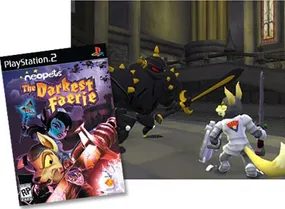
In 2004, Sony Software Entertainment released Neopets: The Darkest Faerie for PlayStation 2. It was an adventure game. Players controlled two Neopets. They went on a quest. The mission was to defeat the evil Darkest Faerie.
These extensions kept the brand alive outside the browser. They gave fans new ways to engage. They proved the IP had depth beyond a website.
The ecosystem is complex. It is not just a game. It is a social network. It is a collection platform. It is a brand extension engine. All of it works together to keep you coming back. Six hours a month adds up. Year after year.

The big one everyone was waiting for? The Neopets movie.
It landed in 2006. Computer-animated. Directed by John A. Davis, the guy behind Jimmy Neutron: Boy Genius. Since Warner Bros. had a multi-picture deal with the site, fans got hints that more films were coming down the pipeline.
But before you could rush off to the theater, there was the business model to figure out. Who actually owned the place? How did they keep the lights on? And how did a simple web game become a cultural phenomenon?
The Premium Tier
Neopets stayed free for a long time. That was the strategy. But the company needed revenue streams that didn’t rely solely on ads. Enter Neopets Premium.
For $7.99 a month, you got more than just bragging rights. You got a customizable portal, basically your own Neopets homepage akin to My Yahoo. Ad-free browsing? Yes. A dedicated Neopets Webmail address? Included.
There were functional perks, too. The Marketplace shop search got an upgrade. Earning Neopoints became slightly easier. Finding rare items? That advantage was baked into the subscription.
Behind the Scenes
The infrastructure supporting millions of concurrent users wasn’t cheap. It required serious backend engineering to keep the economy stable and the servers running. The creators had to balance free access with monetization carefully. Too much paywall, and the community shrinks. Too little, and the project dies.
They found a middle ground. Premium added value without gating the core experience. It turned casual browsers into paying customers who felt invested in the world they helped build.
The movie gave them mainstream credibility. The premium service gave them financial sustainability.
But the real question remains. Why does a site from 1999 still matter?
Is it nostalgia? Or is it the sheer depth of the economy?
The answer is probably both. And somewhere in the code, the developers are still tweaking the algorithms. Just to see what happens next.
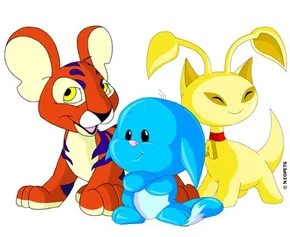

It began as a modest experiment. Two British college students, Adam Powell and Donna Williams, launched Neopets in 1999. They didn’t aim for global dominance. Their goal was simpler. They built it for classmates. The site was packed with inside jokes and Britishisms. You can still see the DNA of that decision today. The site insists on British spellings. “Grey” remains the standard.
Powell handled the code. Williams drew the creatures. It was a clean split of labor. Then the traffic hit. They were overwhelmed almost immediately.
The solution? Sell it.
Market research expert Doug Dohring bought the project. He kept the original creators on board. That was smart. He moved headquarters to Southern California. He had bigger ambitions. He wanted a media empire.
The exit happened in June 2005. MTV, part of Viacom, paid $160 million for Neopets. Dohring stayed on through the transition. The numbers at that point were staggering.
92 million accounts existed in the system.
That number needs context. Many users had multiple accounts. Real unique users hovered around 30 million.
Who were they? The demographics told a story that defied industry norms.
- 39% were under age 13.
- 40% were between 13 and 17.
- 21% were adults.
The gender split was even more striking. 57% of users were female. This mattered. Online gaming was traditionally male-dominated. Neopets broke that mold. It proved that a virtual world could appeal strongly to girls and young women.
Dohring likely saw that potential when he bought in. He turned a college project into a massive, gender-balanced empire. The sale to MTV validated the vision. It also set the stage for what came next. A corporate giant had taken the wheel.
Neopets didn’t just sit there accumulating users. It turned traffic into actual profit streams. The primary engine was something founder Tom Dohring labeled Immersive Advertising. Think of it as product placement, but for a browser game.
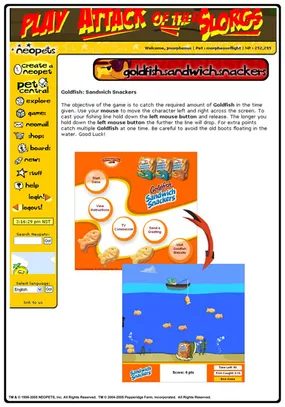
The games themselves were the bait. But hidden in the mechanics were thinly veiled marketing tools. You aren’t just playing a puzzle. You’re answering trivia about a TV show or a toy line. The reward? You buy McDonald’s food for your digital pet. Or you play a Pepperidge Farm simulator.
One taxi game? It used an image of a specific cell phone to send messages. The game was sponsored by the maker of that phone. It was a model designed specifically for kids. The integration was seamless enough that players rarely questioned the source.
Retail sales filled out the revenue mix. We are talking about a collectible card game (CCG), action figures, plush toys, and even a PlayStation title. But the real goldmine wasn’t physical goods.
The Data Goldmine
Neopets used the marketing insights to design better games. But it also used them to generate revenue directly. The company held a massive research database on children aged 12 and under.
Why was this valuable? Marketers struggle with this demographic. The Children’s Online Privacy Protection Act (COPPA) restricts data collection. You need parental permission to get deep personal info. Neopets claimed to have over 50,000 kids in its marketing database.
They didn’t sell personal data. They sold market research. They traded on what their press kit called “unparalleled access to young people.” Other companies paid for insights that were otherwise legally difficult to obtain.
The infrastructure behind this data was no joke. By January 2006, Neopets ran on 300 Linux-based servers. These machines pumped out 1.7 gigabits of bandwidth every single day.
“Neopets sells market research (not personal data) to other companies, trading on Neopets’ ‘unparalleled access to young people.'”
But the infrastructure had limits. And the model had cracks. In the next section, we’ll discuss some of the problems Neopets has faced.
Trouble in Neopia

The online community behind Neopets, much like any large digital space, has had to deal with its share of trouble. Malcontents, swindlers, and cheaters are a constant presence. Neopets handles this through two main tactics: education and account freezing.
The Wall of Shame and Newbie Guardians
The company maintains a Wall of Shame. This page details some of the more common frauds and schemes to help users stay aware. There are also members who act as self-appointed “Newbie Guardians.” These volunteers help new players avoid pitfalls and problems before they start.
The Dreaded Account Freeze
Account freezing is the Neopian death sentence. Neopets responds to almost any suspicious behavior by freezing the account permanently. The user can always create a new one, but all Neopoints, items, and other benefits associated with the old account are lost forever.
Longtime players with a lot of time invested in their pets are understandably terrified of this punishment. Freezes occasionally seem to happen arbitrarily. Or because the user violated site rules inadvertently.
Take in-game events for example. Some allow players to visit a certain page once per day to collect a rare item. On several occasions, a bug allowed players to get the item multiple times per day. Players who got the item more than once had their accounts frozen. Even if they didn’t know it was a bug. Or just forgot that they already got one that day.
Avoiding Neopets Scams
Neopets scams are similar to most Internet phishing scams that try to steal information. Instead of bank account numbers, these scams focus on getting account passwords or the e-mail address associated with an account.
While the scams take many forms, they can all be avoided by following one simple rule. Never give out your account password to anyone for any reason.
Advertising and Gambling Concerns
The other big problem with Neopia is one that has parents and consumer advocates worried. Neopets aims their marketing efforts directly at children who may not be old enough to understand the difference between a game and an advertisement.
Immersive Advertising places corporate-sponsored games right next to unsponsored ones. The site added a “This Page Contains Paid Advertisements” disclaimer near the bottom of pages in response to complaints. However, the disclaimer appears on just about every page at the Neopets site. It doesn’t really help kids determine what is an ad and what isn’t.
Neopets also bowed to pressure after a flap over gambling games. Parents were upset that young children were learning to gamble by playing games similar to those found in casinos. Since then, accounts held by users under age 13 do not have access to any gambling-themed games.
There is no verification process to prevent a child under age 13 to create an account and say they are actually 18.
Safety Measures and Monitoring
According to Neopets, keeping kids safe is a high priority. They have monitors who keep an eye on chat rooms and message boards 24 hours a day. They remove offensive language and make sure kids aren’t posting personal information or falling prey to online predators. Neopets also follows Children’s Advertising Review Unit (CARU) guidelines.
The World of Neopia
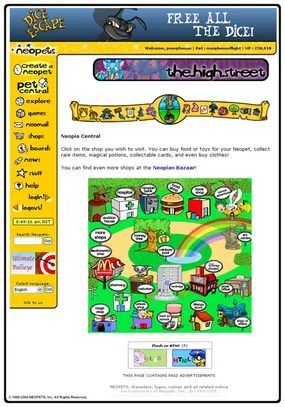
Neopia is a fantasy world populated by Neopets and a variety of other characters, both good and evil. Neopia is divided into several areas, each with its own characteristics. Areas are accessed by clicking on them on the Neopian World Map. Within each area are links to games, shops, or other areas.
Neopets and Scientology


The Scientology Connection Behind Neopets
The link between Neopets and Scientology isn’t just a footnote; it’s structural. CEO Doug Dohring didn’t just dabble in the church’s management styles. He built his empire on them. Dohring is explicitly listed on the Hubbard College of Administration website as a practitioner of “Administrative Technology.” That’s L. Ron Hubbard’s proprietary method for organizing business operations.
“Having used his [Hubbard’s] technology in every business activity for nearly two decades now… virtually every aspect of running my companies involves the use of his administrative technology”
Dohring hasn’t just paid lip service to these concepts. He has donated over $250,000 to Scientology-related causes. In an interview with Wired, he was direct. He called Hubbard’s management system “very powerful.” This isn’t vague inspiration. It’s a documented operational framework.
How the Org Board Actually Works
If you want to know how Neopets was structured, look at the Org Board. Hubbard developed this system in 1965. According to the Church of Scientology, it was an improvement on a management style used by a galactic civilization for 80 trillion years. Dohring insists it works.
The Org Board splits a company into seven specific divisions. You have executive, personnel, sales, finance, training, marketing, and qualifications. Each of those has three subdivisions. It’s rigid. It’s hierarchical. It’s designed to eliminate ambiguity in who reports to whom.
There were rumors, unsubstantiated but persistent, that Neopets employees were pressured to convert to Scientology. The website itself never adopted Scientology imagery or language. But the backend? That was pure Hubbard.
Why Neopets Wasn’t Done Yet
Critics pointed out the controversy. They pointed out the cult-like loyalty of the user base. But the numbers didn’t care. By February 2006, Neopets claimed over 100 million users. That’s not a niche community. That’s a demographic force. The platform hosted over 150 million individual virtual pets.
The company was preparing for its next pivot. They weren’t sticking to browser games. They were moving into mobile. Specifically, ring tones and wallpapers. It was a lucrative market. It was the logical next step for a digital entertainment giant.
The infrastructure held. The user base grew. The controversy faded into background noise, replaced by the steady click of mobile downloads.
Lots More Information
Related HowStuffWorks Articles
- How Web Pages Work
- How Product Placement Works
- How Marketing Plans Work
- How Creating an Online Business Works
- How Ad Slogans Work
- How Phishing Works
More Great Links
- Neopets
- Neopets Trading Card Game
- It’s a Whole Neo World
- The Neopets Addiction
Sources
- Boese, Christine. “NeoPets invade the Internet world.” CNN, January 7, 2003.
- Digital Lightwave: People
- The Hubbard Management System
- “Inside the Cult of Neopets.” Kotaku, December 8, 2005.
- Kasavin, Greg. “Neopets: The Darkest Faerie Hands-On.” GameSpot, Apr 29, 2005.
- Kushner, David. “The Neopets Addiction.” Wired, December 2005.
- Neopets Corporate Fact Sheet
- “Neopets partners with Equinix to enhance performance of popular web site.” Equinix, July 14, 2004.
- Neopets Press Kit FAQ
- Olsen, Stefanie. “NeoPets goes Hollywood.” News.com, March 24, 2005.
- Pace, Gina. “Kids and Neopets: Who’s Getting Fed?” CBSNews.com, February 9, 2006.
- Results and Application: World Institute of Scientology Enterprises
- Sappell, Joel and Welkos, Robert W. “The ‘Org Board’: Hubbard’s Plan for Improving on ’80 Trillion Years’ of Management.” New York Times, 27 June 1990.
- The Seven-Division Org Board
- Sharma, Dinesh C. “MTV acquires virtual critter site NeoPets.” News.com, June 20, 2005.
- Structure of Scientology Churches: Building the Bridge
- Terdiman, Daniel. “Trading on the ‘Neodaq’.” News.com, October 7, 2005.


