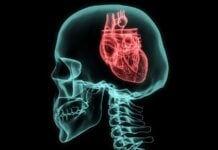
For decades, the psychiatric community has largely focused on a single objective: balancing brain chemistry by targeting neurotransmitters like dopamine and serotonin. However, a growing field known as metabolic psychiatry is challenging this long-standing paradigm, suggesting that the key to treating severe mental illness may lie not just in brain chemistry, but in how our cells produce energy.
At the center of this shift is the ketogenic diet—a high-fat, very low-carb regimen once used primarily to treat epilepsy, now being investigated as a potential tool for managing conditions like schizophrenia, bipolar disorder, and even anorexia.
From Epilepsy to the Mind: A Historical Context
The ketogenic diet was not originally designed for weight loss. In the 1920s, researchers discovered that the metabolic state achieved through fasting—which significantly reduced seizures—could be mimicked through a specific nutritional approach. By consuming high amounts of fat and minimal carbohydrates, the body enters ketosis, a state where it stops relying on glucose (sugar) and begins burning fat for fuel.
This process produces ketone bodies, small molecules that are highly efficient at crossing the blood-brain barrier to provide energy to the brain. While the diet fell out of favor in the 1930s with the advent of anticonvulsant drugs, its ability to stabilize brain activity has recently brought it back into the scientific spotlight.
Why It Might Work: The Biological Mechanisms
The transition from glucose to ketones does more than just change a fuel source; it appears to alter the very environment of the brain. Researchers point to several key reasons why this metabolic shift could alleviate psychiatric symptoms:
- Neurotransmitter Balance: Ketone bodies may help balance glutamate (an excitatory neurotransmitter) and GABA (an inhibitory neurotransmitter). An imbalance—too much glutamate—is linked to the erratic brain activity seen in epilepsy and psychosis.
- Mitochondrial Efficiency: The brain is an energy-hungry organ. Many mental health conditions are associated with mitochondrial dysfunction —the inability of cells to produce energy effectively. Ketones are a more efficient fuel than glucose, yielding roughly 27% more ATP (cellular energy) per molecule.
- Reduced Inflammation: High-sugar diets are linked to systemic inflammation and insulin resistance, both of which are risk factors for depression. A ketogenic diet can alter the gut microbiome, potentially reducing pro-inflammatory bacteria and the “gut-brain” inflammation that affects mood.
- Oxidative Stress: Unlike glucose, ketone bodies may produce less oxidative stress, reducing the “metabolic clean-up” the brain must perform.
Clinical Observations and the “Remission” Debate
The excitement surrounding this field is driven by striking clinical cases. Dr. Christopher Palmer of Harvard Medical School has documented instances where patients with long-term, drug-resistant schizophrenia entered full remission after adopting a ketogenic diet.
These results have sparked significant philanthropic interest. The Baszucki family, inspired by their son’s experience with treatment-resistant bipolar disorder, has funded research to move these observations from anecdotal success to rigorous clinical science. Recent small-scale studies have shown promise, with some participants experiencing significant symptom improvement or clinical remission.
The Complexity of Anorexia
One of the most controversial applications of this research involves anorexia nervosa. On the surface, suggesting a restrictive diet to someone with an eating disorder seems counterintuitive. However, researchers note that anorexia is often linked to genetic variants that cause inefficient energy release in the mitochondria.
In these cases, the “high” or reduced anxiety experienced during starvation might actually be a biological byproduct of ketosis. The goal for researchers is to determine if a medically supervised ketogenic diet can provide the brain with the energy it needs to stabilize, thereby reducing the compulsive urge to restrict food without the dangers of starvation.
The Bottom Line: While the ketogenic diet is not a “cure-all,” the emergence of metabolic psychiatry suggests that treating the brain’s energy metabolism may offer a vital new pathway for patients who have failed to respond to traditional psychiatric medications.