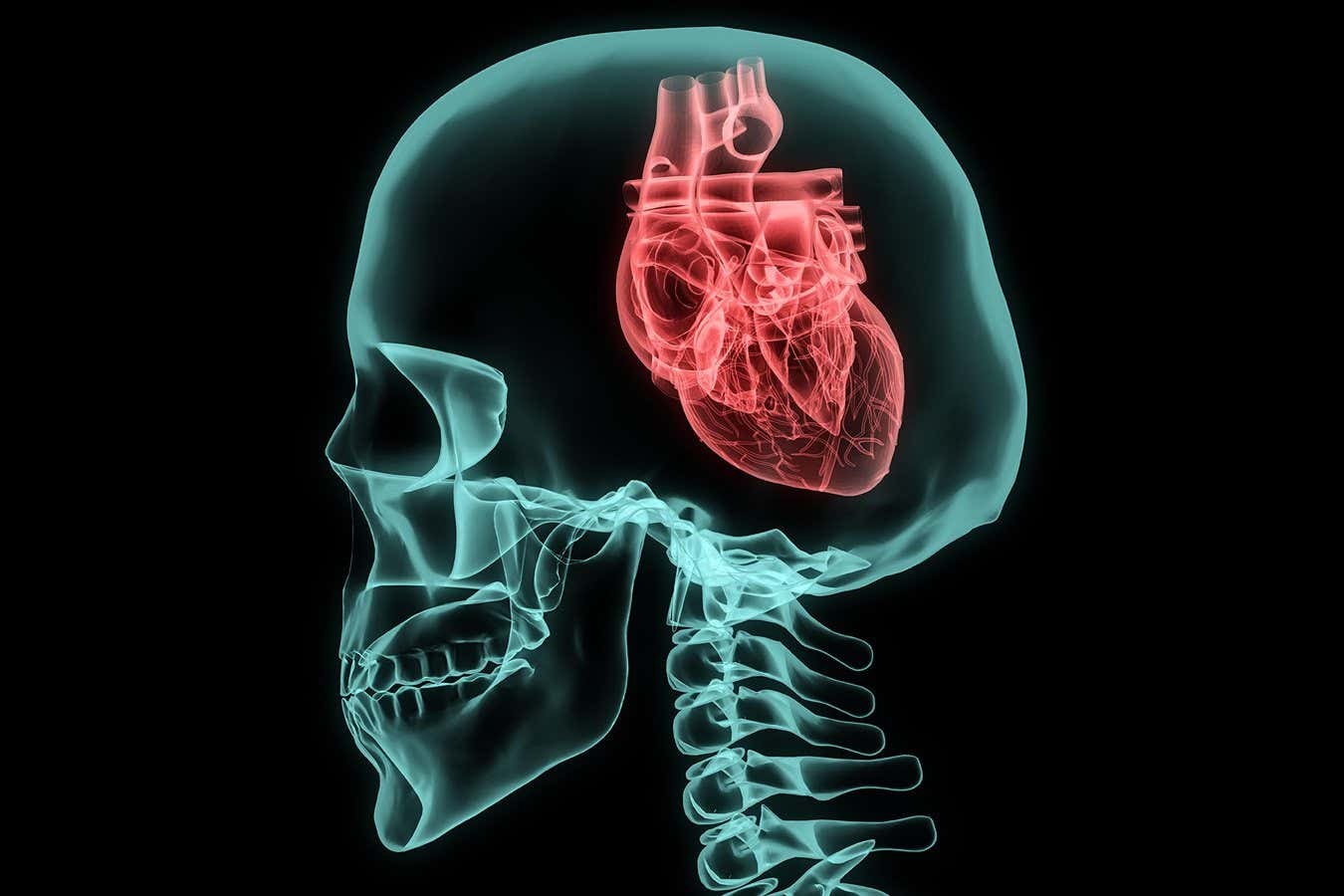
While many people track their daily steps or sleep duration, a more subtle metric is emerging as a powerful window into our psychological well-being: Heart Rate Variability (HRV). Far from being just a measure of cardiovascular fitness, HRV is increasingly being recognized by researchers as a potential indicator of mental health and cognitive resilience.
Understanding the Metric: Why Variation is Good
At first glance, the concept of HRV seems counterintuitive. Most people assume a perfectly steady heartbeat is a sign of health, but the opposite is true. HRV measures the tiny fluctuations in time between each individual heartbeat.
The science behind this lies in our autonomic nervous system, which manages involuntary functions:
– The Sympathetic Branch (“Fight-or-Flight”): When you are stressed or under pressure, your heart beats more regularly and rapidly. This “locked-in” rhythm is a sign of high alert.
– The Parasympathetic Branch (“Rest-and-Digest”): When you are relaxed, your heart rhythm becomes less regimented and more variable.
Therefore, a higher HRV generally indicates a more resilient nervous system—one that can bounce back quickly from stressors. Conversely, a low HRV often suggests that the body is stuck in a state of chronic stress, making it harder to recover.
The Connection Between Heart and Brain
There is a profound, bidirectional relationship between our physical and mental states. Cardiovascular disease and depression often coexist, and researchers are investigating whether HRV acts as the biological bridge between them.
Recent studies have highlighted several key correlations:
– Depression: Robust research, including longitudinal studies, consistently shows that lower HRV is linked to a higher likelihood of experiencing depressive symptoms.
– Cognitive Health: Emerging reviews suggest links between decreased HRV and serious conditions such as dementia, PTSD, and schizophrenia.
– Emotional Regulation: A high HRV reflects an efficient stress response. A low HRV may signal an inability to adapt to environmental demands, which is closely tied to difficulty regulating emotions.
“HRV as a measure of brain health is something we’re very interested in,” notes Lori Cook, director of clinical research at the Center for Brain Health at the University of Texas at Dallas.
A Potential Biomarker for Mental Health?
One of the most intriguing developments in this field is the discovery that different mental health disorders may produce distinct HRV patterns. This suggests that HRV could eventually serve as a biomarker —a biological sign used to help distinguish between different psychological conditions.
However, experts urge caution. The current body of research is not yet definitive for several reasons:
1. Complexity of Data: HRV naturally decreases with age and can be influenced by sex, gender, and medication.
2. The “Stress” Ambiguity: Current metrics struggle to distinguish between “negative” stress (distress) and “positive” stress (eustress), such as the motivational excitement that can actually build resilience.
3. Diagnostic Limitations: A low HRV is not a diagnosis in itself, nor does a high HRV guarantee perfect mental health.
Practical Applications: Managing Your Rhythm
For the individual, HRV serves as a highly effective real-time proxy for stress and recovery. While “normal” ranges vary wildly between people—with some individuals naturally sitting at 25ms and others at 90ms—the most important data point is an individual’s own trend over time.
If you notice your HRV dropping, it may be a signal from your nervous system to prioritize recovery. Evidence suggests several lifestyle interventions can help stabilize and improve HRV:
– Aerobic Exercise: Regular cardiovascular training has some of the strongest evidence for improving heart rhythm variability.
– Sleep Hygiene: Quality sleep is fundamental to nervous system regulation.
– Stress Management: Conscious efforts to calm the nervous system can help shift the body from a sympathetic to a parasympathetic state.
Conclusion
While HRV is not yet a standalone diagnostic tool, it offers a vital glimpse into the interplay between our physical bodies and our mental resilience. By monitoring these subtle fluctuations, we can better understand how our lifestyle choices impact our ability to navigate the stresses of life.