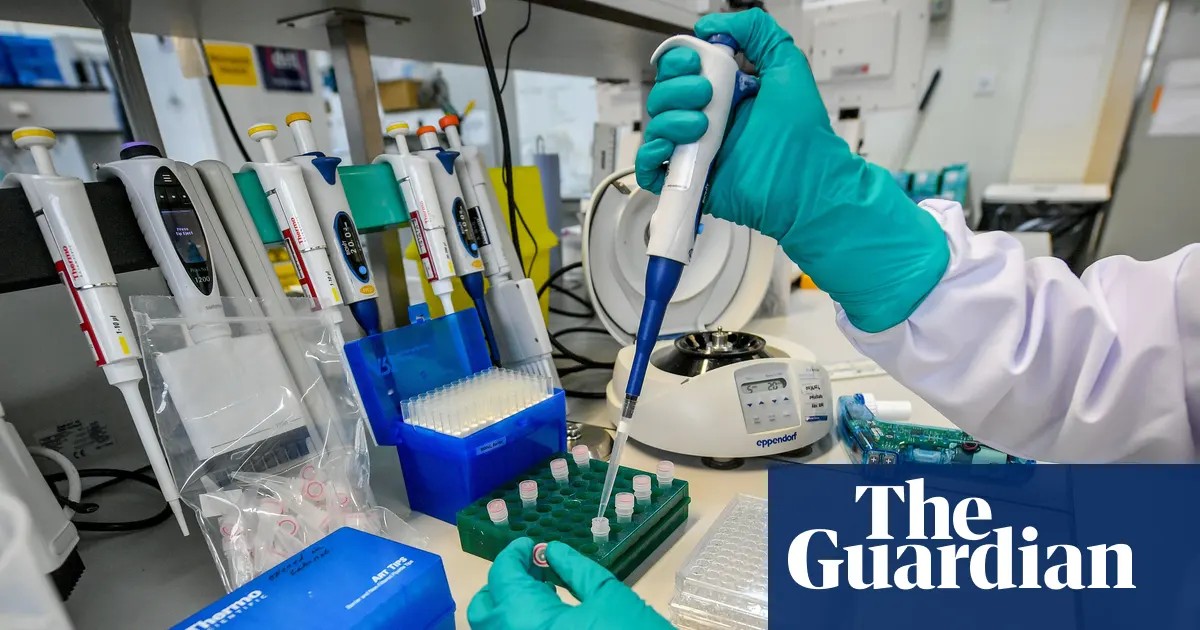
A major restructuring at the Defence Science and Technology Laboratory (DSTL) – the UK’s leading defense science facility at Porton Down – is severely damaging staff morale, hindering critical research, and potentially jeopardizing national security, according to a senior whistleblower who spoke with The Guardian. The changes, described as paralyzing, involve the elimination of hundreds of positions and forced reapplication processes, creating widespread uncertainty and disrupting scientific work.
Critical Research at Risk
DSTL plays a pivotal role in national security, responsible for cutting-edge science and technology that supports the military, counterintelligence efforts (such as analyzing the Salisbury poisoning), and rapid response to public health crises (including the COVID-19 pandemic). With approximately 4,800 staff, the organization’s output is vital. However, the current restructuring has created a state of limbo, diverting focus from core scientific objectives.
The whistleblower stated that staff are being treated as “replaceable people,” despite their expertise. This has led to a decline in productivity and an exodus of personnel, with the organization losing critical scientific momentum. The losses, they claim, will take a decade to recover from.
Plummeting Morale and Safety Concerns
Internal data confirms the whistleblower’s assessment. Recent staff surveys reveal a historic low “engagement index” of just 43%, significantly lower than comparable organizations. Moreover, a Health and Safety Executive survey placed DSTL in the bottom 1% of benchmarked civil service and private sector entities in terms of staff confidence in having the “resources to work safely”. This decline in morale and safety perception raises serious questions about operational effectiveness.
Whitehall Reforms and Internal Conflicts
The restructuring is part of broader defense reforms across Whitehall, described as the most significant in 50 years. While government officials claim the changes aim to improve safety records, the whistleblower and trade union sources argue that the disruption outweighs any potential benefits. The chief executive, Paul Hollinshead, has reportedly warned staff of potential license revocation if health and safety standards are not improved.
Ministry of Defence Response
The Ministry of Defence (MoD) disputes claims of redundancies but acknowledges morale has been affected. They emphasize ongoing successes, such as the DragonFire laser trial and AI/autonomous systems testing, as evidence that capabilities have not degraded. The MoD insists performance this year exceeds last year’s and that personnel remain essential to DSTL’s mission.
“Through the largest reforms to defence in more than 50 years, we are strengthening our ability to anticipate and respond to evolving threats, including increasing our safety standard.” – Ministry of Defence spokesperson
However, the whistleblower argues that the organization has spent months focusing inward on restructuring rather than outward on scientific objectives. This internal preoccupation has led to dissatisfaction, demotivation, and a loss of critical expertise.
The ongoing turmoil at Porton Down raises concerns about the long-term impact on the UK’s national security capabilities. The restructuring, while intended to improve efficiency, appears to have instead undermined morale, disrupted critical research, and created a climate of uncertainty that threatens the organization’s core mission.