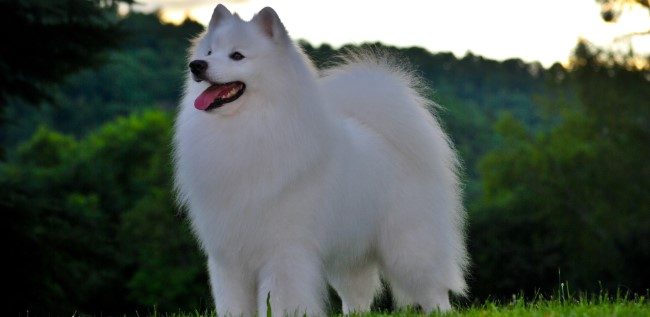
The American Eskimo dog is a brilliant member of the Spitz family. It attracts attention from almost everyone with its small ears and dense, smooth white feather structure. So what exactly is the origin of this race? Even scientists aren’t exactly sure. Some think it descended from white Keeshonden or white Pomeranian dogs. The evidence is inconclusive. But its popularity skyrocketed in 1995 when it was accepted as an official breed by the American Kennel Club (AKC).
The white feathers of this cute friend are one of the biggest reasons why he is loved around the world. Happy, energetic and always on the move. He loves running. He misses playing. Solving problems is like a game for him.
A Friend Who Loves Playing in the Snow
As the name suggests, when it comes to American Eskimo dog care and characteristics, the first thing that comes to mind is its bond with snow. The perfect companion for families living in cold climates. But it’s not just snow. It is also extremely successful as a guard dog. It protects its home thanks to its vocal barking.
His relationship with children is great. Thanks to his patient nature, he loves small children very much. This breed is ideal for anyone who wants to release their energy while ensuring domestic peace.
The Watchful Nature and Intelligence of American Eskimo Dogs
They are sharp. They are strong. And let’s be honest, they are incredibly playful. But look past the fluffy white coat and you will see a dog that approaches strangers with a healthy dose of skepticism. That wariness is not a flaw. It is a feature. It makes them excellent watchdogs. They are not going to invite a thief into your living room.
This breed possesses a high-octane energy level. They need it. They demand regular attention. Give them what they need. Ignore them and watch the transformation. The playful companion becomes a barking, grumpy nuisance. It is a direct cause-and-effect relationship.
Their confidence is off the charts. This self-assuredness translates into an impressive ability to learn new tricks and commands. Training an American Eskimo dog is generally straightforward because they want to succeed. They thrive on mental stimulation. Leave a gap in that stimulation and chaos follows.
Separation Anxiety and Family Integration
The single thing this breed despises most? Being alone.
It is not just about boredom. It is a deep-seated need to be part of the family unit. When left by itself, they are prone to severe separation anxiety. The silence of an empty house is terrifying to them.
This reality filters out potential owners quickly. If you work long hours in a high-tempo job, this is not the right dog for you. You cannot leave them alone for eight hours a day and expect them to be content. They need presence. They need engagement. They need to know where everyone is at all times.
If your schedule allows for a partner who is always there, the loyalty and intelligence of this breed will reward you. If not, you are setting yourself up for a house full of barking and stress. The choice is binary.
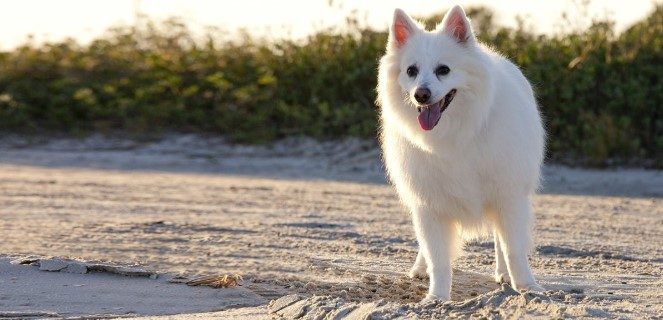
When fed well and kept in the right environment, an American Eskimo dog can be a truly long-living friend. Unlike an ordinary cat or dog, the average life expectancy of this breed is between 12 and 15 years. However, this figure is based on quality food and a special diet. If nutrition is neglected, that 15-year maturity is out of the question.
More.
There are also diseases with a genetic predisposition. Like many other breeds, the American Eskimo may carry some hereditary problems. This situation is a factor that increases your responsibility. Neglecting care means the collapse of health. Routine exercise, cleaning, regular veterinary checks… These are not choices. Difficulty.
Immune System and Vaccination
In order to keep body resistance high and protect the immune system, the vaccination schedule must be strictly adhered to. These dogs are smart rapists and know their environment and their own limits well. But this intelligence is not enough for viruses or bacteria. Do not skip your vaccinations.
“Health does not come randomly. It is built with proper nutrition, routine care and vaccination schedule.”
American Eskimo health depends on the discipline of its owners. It should not be forgotten.
The Double Coat Reality: Brushing and Bathing
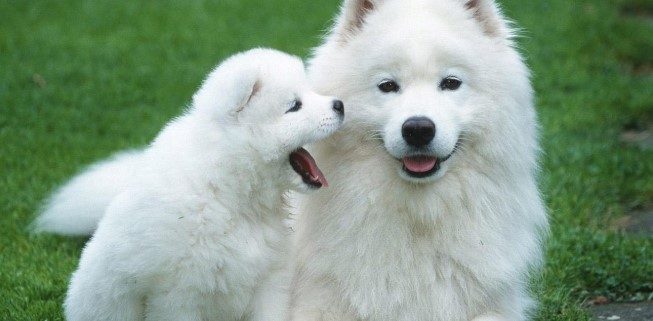
The American Eskimo Dog doesn’t just look fluffy. It is fluffy. We are talking about a double coat that requires serious attention to keep from turning into a felted mess.
You need to brush this dog regularly. Not occasionally. Regularly. The coat is dense, yes. But the brushing itself? Surprisingly simple. Those silky hairs are naturally resistant to grease and grime. That’s why bathing is a rare event. A few times a year is plenty.
Over-bathing strips the natural oils that protect that thick winter gear.
Sun Sensitivity and Hygiene Basics
Don’t let the winter look fool you. This breed has sensitive skin. In the heat of summer, that short undercoat offers little protection against UV rays. Keep them out of direct sun during peak hours.
Maintenance extends beyond the fur.
- Nails: Trim them monthly. Long nails alter gait and cause pain.
- Ears: Wipe with a damp cloth weekly. Moisture breeds infection.
- Mouth: Brush teeth to prevent oral infections.
A healthy environment is non-negotiable. Hygiene isn’t just about looks. It’s about comfort. Their skin reacts to stress. Dirt stays trapped in that double layer. If you don’t remove it, irritation follows.
Why This Matters
Most people see the white puffball and assume it’s low maintenance. It’s not. The density of the coat is an evolutionary trait, not a decorative one. It traps heat. It also traps debris.
If you ignore the brushing, the coat mats. Matted fur pulls on the skin. It restricts airflow. It becomes a breeding ground for parasites. The “simple” brushing routine is actually a critical health intervention.
What happens if you skip the nail clippers? The dog walks incorrectly. What happens if you ignore the ears? Infection It’s a chain reaction.
The American Eskimo demands routine. It’s not a set-it-and-forget-it companion. The coat tells the story of their care.
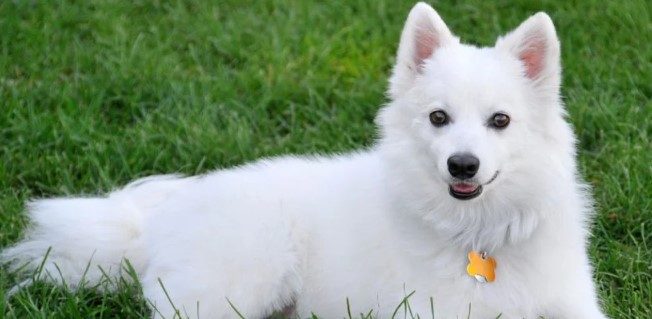
When you look at the American Eskimo dog, the first thing that comes to mind is probably a miniature Samoyed. You are not making mistakes. The similarities are clearly visible. But this is not just an analogy. In fact, this breed exists in three different sizes. Toy. Miniature. And standard.
They look the same. Only the sizes are different.
There are details that immediately attract attention when viewed from the outside. Its head is wedge-shaped. Its ears are triangular. Its feathers are so fluffy that sometimes they even hide your face. This fluffy white coat is the breed’s most distinctive feature. His eyes are brown. Sharp. There are white eyelashes around it. Her toenails are also white. Completely white or in very light cream tones. No other color is accepted.
As for their weight. A toy-sized American Eskimo weighs an average of 10 kilograms. The miniature one weighs 20 kilograms. The standard size is around 30 kilograms.
Why Are They So White?
It’s not just a cosmetic choice. These white feathers are actually a mechanism that keeps them alive. Their ancestors lived in the icy lands of the Arctic. The white color enabled them to integrate with the snow. This feature is protected even today.
Physical Details and Health
The brown tones in their eyes are genetically fixed. Blue eyes or eyes of other colors are not seen. This is a strict part of the breed standard. The feather structure is also quite specific. They have a two-layer structure. The outer layer is hard and water repellent. The inner layer is soft and provides insulation. While this combination makes them resistant to cold, they require caution in hot weather.
Which Size Is Suitable For You?
Standard size, more suitable for families living in open areas. Miniature version, more practical for city life. If it is a toy size, it may need more delicate care. They all have the same energy. Only their bodies are different.
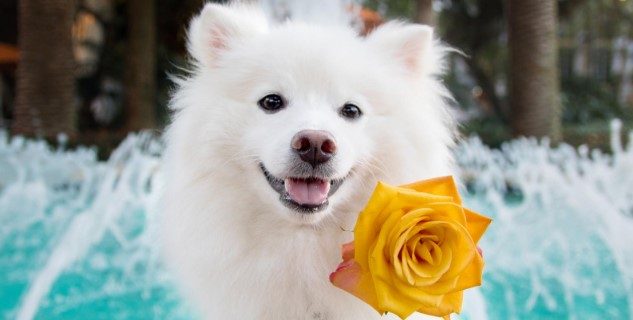
American Eskimo dogs are a breed that stands out for their general health. However, “healthy” does not mean that the immune system is perfect. These white-furred round-faced dogs are also prone to some genetic diseases. If you are considering a new pet, knowing these risks is essential not only for taking precautions but also for better communication with your veterinarian.
Here are the most common hereditary problems in American Eskimos and their details.
Hip Dysplasia: Movement Restriction
This condition, which causes problems in the hip joint, is caused by the femur not fitting properly into the hip socket. Symptoms vary by dog. Some show pain or limping in their hind legs. Some do not show any symptoms.
It usually gets worse with age. X-ray is essential for diagnosis.
“Although the disease is hereditary, lifestyle is a determinant.”
Rapid growth with a high-calorie diet, sudden hard movements or falls may worsen the situation. Early diagnosis and weight control can reduce future suffering.
Juvenile Cataract and Vision Loss
This problem, called juvenile cataract, occurs in dogs between the ages of 1 and 2. It causes the lens of the eye to become cloudy.
In its advanced stages, it can lead to blindness. Although rare, it causes serious consequences.
Dogs carrying the genetics should not be bred. This prevents the disease from being passed on to the next generation. For owners, early detection increases treatment options.
Hypothyroidism: An Elusive Problem
It occurs due to insufficient production of thyroid hormones. Symptoms are often vague.
Eye discharge, shortness of breath and fatigue are the most common symptoms. Once the diagnosis is made, daily thyroid pill use begins.
This treatment lasts a lifetime. Low hormone levels slow down metabolism. Regular blood tests are critical for dosage adjustments.
Hemeralopia (Day Blindness)
Day blindness is noticed in puppies from the 8th week onwards.
The most obvious sign is that it constantly crashes into obstacles while moving. Stumbling is common.
When you go out into the sun, your movements become dizzy. However, this problem disappears at night. Early diagnosis prevents the dog from harming itself.
Hereditary Polyneuropathy
It is a nervous system disorder. It causes walking disorders and loss of balance.
It can be mild or very severe. It usually occurs in dogs less than one year old. It may have a sudden onset.
The dog may have difficulty walking. It may even fall. Lack of coordination affects daily life.
Result and Precaution
These diseases are not unique to American Eskimos. It can be seen in every dog breed.
However, genetic predisposition increases the importance of regular check-ups. Periodic veterinary checkups from puppyhood through adulthood are the best way to catch diseases at an early stage.
Your dog may not have any of these symptoms. On the contrary, he can live a completely healthy life. But ignoring the risks will lead to regret later.
Responsible ownership starts with knowledge.
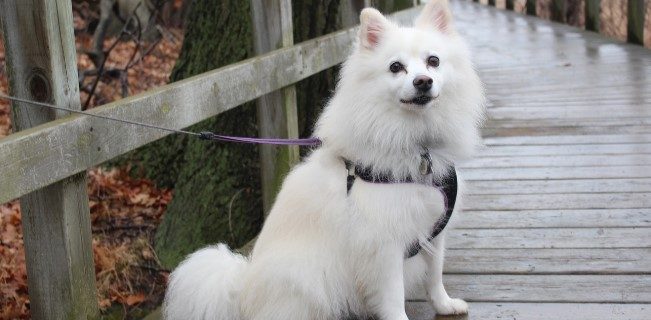
American Eskimo dogs don’t just tolerate children. They thrive with them. Whether the kid is four or fourteen, the bond is usually solid. These dogs are also surprisingly chill around other pets. cats? Small dogs? Generally no problem.
It’s all about timing.
If you raise an American Eskimo puppy alongside a toddler or another pet, they grow up together. Friction is minimal. They speak the same language. But here’s the catch.
Why Supervision is Non-Negotiable
These aren’t lazy lapdogs. The energy levels are intense. That enthusiasm can backfire.
An American Eskimo might jump up. They might herd. They might play too rough without meaning to. A small child or a fragile pet can get hurt by accident. It’s not financial. It’s physics. And high speed.
The breed has a strong herding instinct. That means they chase. They nip heels. They herd.
Key Insight: An American Eskimo’s “play” can look like aggression to a small child or a timid cat. Context matters.
How to Manage the Chaos
You don’t need to separate them entirely. Just manage the environment.
- Supervise early interactions. Especially with toddlers.
- Redirect the herding. Give the dog a job. A naive. A task.
- Set boundaries. Teach the child how to approach the dog. No tail pulling. No ear grabbing.
- Exercise the dog first. A tired Eskimo is a patient Eskimo.
Which Scenario Fits Your Home?
If you have a large, confident child, the Eskimo will likely match their energy. If you have a baby, the dog needs training. Lots of it.
And what about other pets?
Small animals trigger the prey drive in some Eskimos. Not all. But it’s a risk. If your cat is slow, the dog might see it as a game. That game ends badly for the cat.
So, is the American Eskimo family-friendly? Yes. But only if you understand the engine under the hood. It’s a sports car. Beautiful. Fast. Dangerous if you don’t know how to brake.
The integration works best when the dog learns respect and the child learns caution. It’s a two-way street.
Still, the loyalty runs deep. Once that trust is built, it’s unshakable. But getting there requires patience. And space. And constant vigilance during those early months.
Why the American Eskimo Dog Is a High-Maintenance Companion
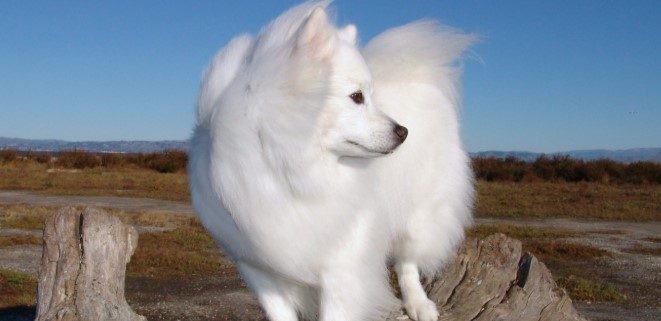
The American Eskimo Dog isn’t just a pretty face. It’s a working dog wrapped in cotton candy fur. You will see them in three distinct sizes: toy, miniature, and standard. The weight range is broad. It spans from the tiny toy variants up to a hefty 30 kg for the standard. That is a significant difference in care and space requirements.
There is only one acceptable color. White. Or shades of it. Cream is sometimes acceptable near the ears, but the coat must remain predominantly white. It is a double coat designed for survival. A thick undercoat traps heat. Long guard hair shed water and snow. This is not just aesthetic. It is functional engineering for harsh climates.
Temperament and Intelligence
They look like plush toys. They act like working partners.
Intelligence is off the charts. This makes them highly trainable. But it also means they get bored easily. Boredom leads to problems. They are problem solvers by nature. If a fence has a gap, they will find it. If you leave a puzzle toy unchallenged, they will solve it in seconds.
The personality is often described as patient, understanding, and gentle. They are good with families. They are alert. Very alert. This breeds a protective instinct. They are not aggressive, but they are watchful.
The Noise Factor
Here is the catch. They bark. A lot.
Left alone too long? Expect a concert. Their vocalizations are a direct response to separation anxiety. They thrive on companionship. They are not independent dogs. If you work 12 hours a day and leave them in a crate, they will suffer. And they will make sure you know it.
“If you need a dog to sit quietly in the corner while you work, look elsewhere.”
Care Requirements
You cannot just buy a bag of kibble and walk away. Quality matters. Their coats require regular brushing to prevent mats. Their nails need trimming. But the biggest investment is emotional. They demand attention. Constant engagement.
Environmental conditions matter too. While they handle cold well, extreme heat is dangerous. Their heavy coats are not built for tropical climates. You must manage their environment. Indoor living is preferred. Air conditioning is a necessity in warmer months.
Who Should Own One?
This is not a low-maintenance pet.
You need time. You need space. You need patience. They are eager to please, but they need direction. Without it, they become destructive. With it, they become loyal shadows.
The cost of ownership is higher than average. Premium food. Regular grooming. Potential training classes. Vet bills for anxiety-related issues if not managed well.
Is it worth it? For the right owner, yes. You get a brilliant, fluffy companion who loves you fiercely. But do not underestimate the energy required. They are not accessories. They are family members who expect to be part of the pack, constantly.
The toy version is cute. The standard is impressive. But they all share the same demand for connection. Ignore that, and you will lose them. Not emotional. Practically.