Ash doesn’t lie. Or at least, the casts don’t.
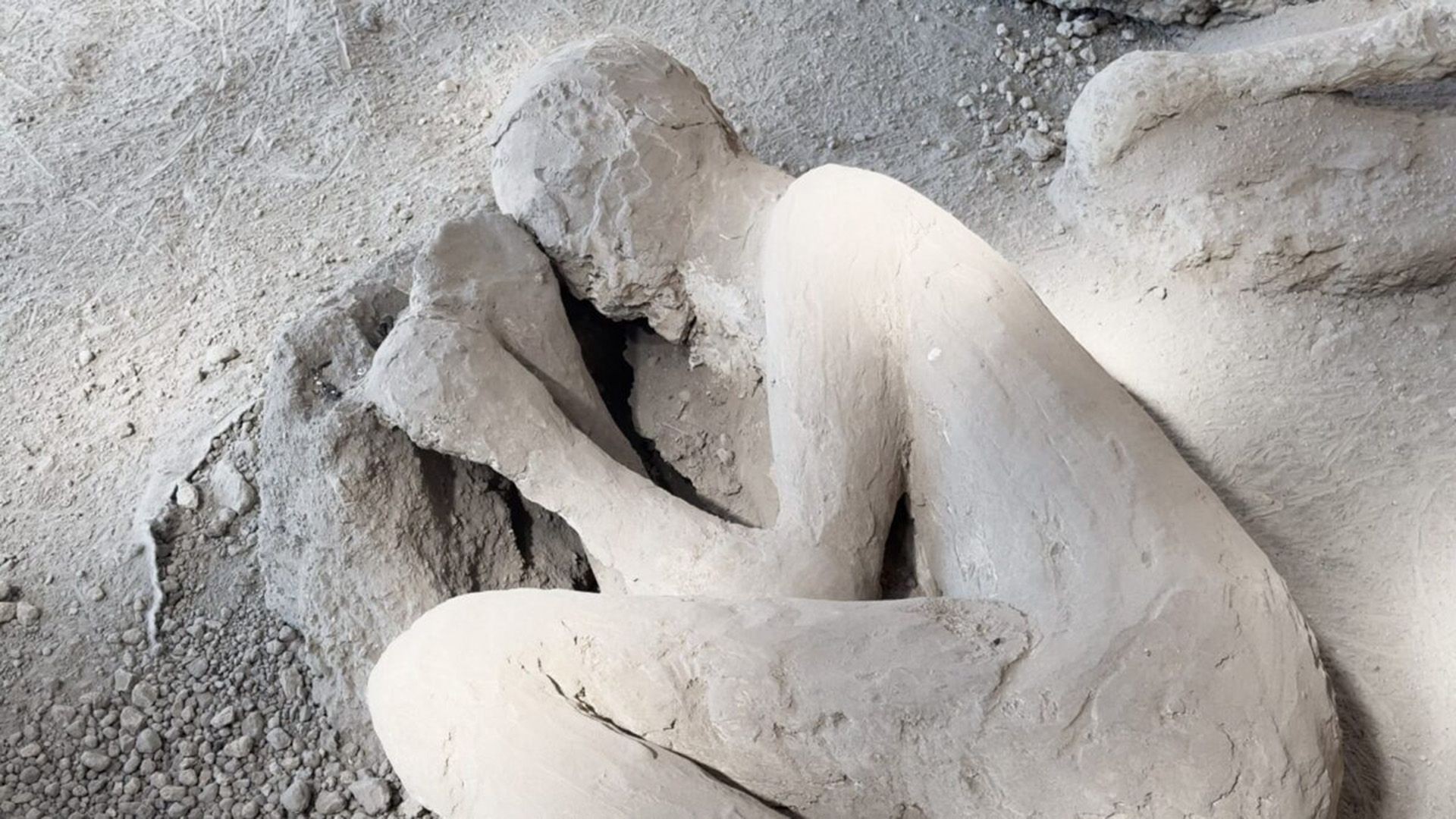
In the “Garden of the Fugatives” in Pompeii, a man died in 79 A.D. clutching a small case. For decades, archaeologists saw the cast, but not the contents. Now they have. He was carrying a doctor’s kit. A medicus, in the old Latin tongue.
Thirteen people died there. Huddled together. Trying to survive the eruption of Vesuvius. They didn’t make it. A blast of hot gas, probably carbon dioxide mixed with sulfur dioxide, overwhelmed them. The ash followed. Thousands died that day in Pompeii and Herculaneum, but this man left a very specific signature in the plaster.
“This man brought his tools with him… but perhaps also to help others,”
That’s what Gabriel Zuchtriegel, who runs the park, says. Did he bring the bag to save himself? Or to save someone else? Maybe both. You take what you value. You take your livelihood. If you survive, you practice. If you don’t… well, the ash remembers.
Old Tools, New Scans
They found the case in 1961. Just a void in the stone back then. An “organic” pouch, likely leather. We didn’t look inside until now. Technology moved on.
X-rays. CT scans. No more guessing.
The box contained metal instruments. Surgical tools, sharp and cold even in death. There was also a slate tablet, used for grinding medicines. Think honey. Vinegar. Plant extracts. The Romans loved mixing potions. The box even had a lock, intricate and toothed, keeping those secrets safe until 2024.
So yes, he was a physician. But not a modern one. This was ancient Rome under Emperor Titus. Medicine wasn’t just for the lowborn slaves, though Greeks often held that role. By then, the profession had status. Julius Caesar had granted citizenship to all doctors in 46 B.C. You were respected. You were paid. But you were also blind in many ways.
No antibiotics. No anesthesia. If you cut someone, infection often finished what the surgeon started. Diseases like malaria were blamed on “bad air”—the miasma theory. Spirits. Curses. Science and superstition, tangled tight.
What We Carry
Most people fleeing the volcano carried different things. Keys. Oil lamps. Bags of silver and gold coins, weighed down by the desire to keep their wealth safe.
This doctor? He had coins, yes. Bronze and silver in a small cloth bag. But his primary weight was skill. Or the hope of it.
Archaeologists think around 2,000 perished, though many more escaped. We study the dead to understand the living, or so we claim. We like the preservation. It feels tidy. Controlled. A window into the past that doesn’t blink.
But it’s messy. Really messy. People die hugging their neighbors. People clutching empty hope.
What do you grab when the sky turns black? Do you grab the money? The keys to the house you won’t return to?
Or do you grab your tools? Just in case tomorrow comes?
We might never know exactly why he held onto that box. The gas doesn’t answer questions.