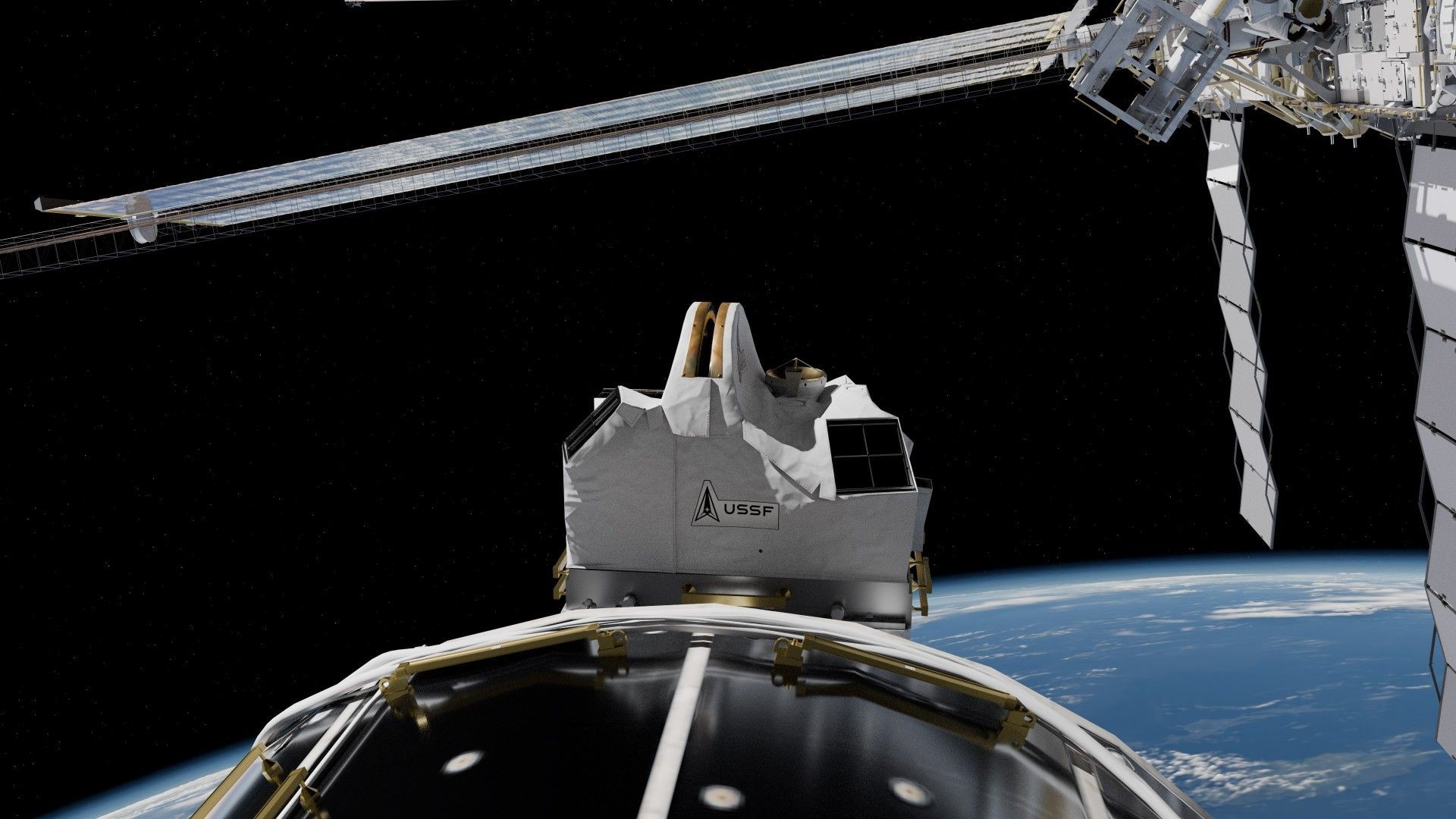
A mysterious, doughnut-shaped ring of charged particles orbits our planet, influencing everything from satellite longevity to the stability of power grids on the ground. For decades, scientists have struggled to pinpoint the exact origin of this “ring current” and understand how it behaves during intense solar storms. Now, a joint mission between NASA and the U.S. Space Force aims to solve this puzzle, potentially revolutionizing how we protect critical infrastructure from the hazards of space weather.
The Mystery of the Ring Current
The ring current is a vast torus of charged particles trapped by Earth’s magnetic field. While its existence is well-documented, its composition remains a subject of debate. Specifically, scientists are trying to determine whether the particles fueling this current originate from the Sun’s solar wind or from Earth’s own upper atmosphere.
This distinction is crucial. If the particles are primarily solar in origin, the dynamics of the ring current are driven by external forces. If they are terrestrial—specifically oxygen atoms stripped from our atmosphere—the interaction between Earth and space weather is far more complex and internal than previously thought.
“When you see oxygen, that comes from the atmosphere. You get very little of that from the solar wind,” explains Alex Glocer, STORIE’s principal investigator at NASA’s Goddard Space Flight Center.
Enter STORIE: A New Eye on the Atmosphere
To settle this debate, NASA is launching the STORIE (Storm Time O+ Ring current Imaging Evolution) mission. Scheduled to launch no earlier than May 12 aboard a SpaceX Commercial Resupply Services (CRS) mission, STORIE will be attached to the exterior of the International Space Station (ISS).
The mission is part of the Houston 11 (STP-H11) payload, a collaboration under the Department of Defense’s Space Test Program. This partnership highlights the growing strategic importance of understanding space weather; accurate predictions are vital for protecting military and commercial satellites alike.
Why Oxygen Matters
STORIE’s primary scientific objective is to detect energetic neutral atoms (ENAs), specifically looking for oxygen. Here is why this search matters:
- Origin Story: Detecting significant amounts of oxygen would confirm that Earth’s atmosphere is a major contributor to the ring current, challenging the assumption that the Sun is the sole provider of these particles.
- Particle Leakage: Positively charged particles in the ring current can “steal” electrons from the atmosphere, becoming neutral. Once neutral, they are no longer bound by Earth’s magnetic field and can fly off in any direction. By tracking these neutral atoms, STORIE can map how energy escapes the ring current.
More Than Just Curiosity: Protecting Infrastructure
Understanding the ring current is not merely an academic exercise; it has tangible implications for modern technology. As the Sun enters its 11-year activity peak, the risk of intense solar storms increases. These storms can distort the ring current, leading to several dangerous outcomes:
- Satellite Drag: Energy from the ring current can heat the upper atmosphere, causing it to expand. This increased density creates more drag on satellites, potentially pulling them out of orbit sooner than expected.
- Grid Instability: Intense currents can induce electrical surges in power lines on the ground, risking widespread blackouts.
- Hardware Damage: High-energy particles can fry sensitive electronics on satellites and spacecraft.
Overcoming Past Limitations
Previous missions, such as NASA’s IMAGE and TWINS satellites, attempted to study these phenomena but faced significant limitations. They viewed the ring current from a “top-down” perspective, which obscured details near the center of the ring due to Earth’s reflection and near the equator due to viewing angles. Other missions, like sounding rockets, only provided brief, localized glimpses of the current.
STORIE offers a comprehensive solution. By orbiting Earth every 90 minutes from the ISS, it will capture data from multiple angles, providing a holistic view of the ring current’s size, shape, and electrical intensity during both calm periods and solar storms.
The Bottom Line
The STORIE mission represents a critical step forward in space weather forecasting. By determining whether the ring current is fueled by the Sun or Earth, scientists can refine their models of how our planet interacts with solar radiation. This knowledge will enable better predictions of space weather events, allowing operators to shield satellites and grid managers to prepare for potential disruptions. In an era increasingly dependent on space-based technology, understanding this invisible shield is essential for safeguarding our digital and electrical lifelines.