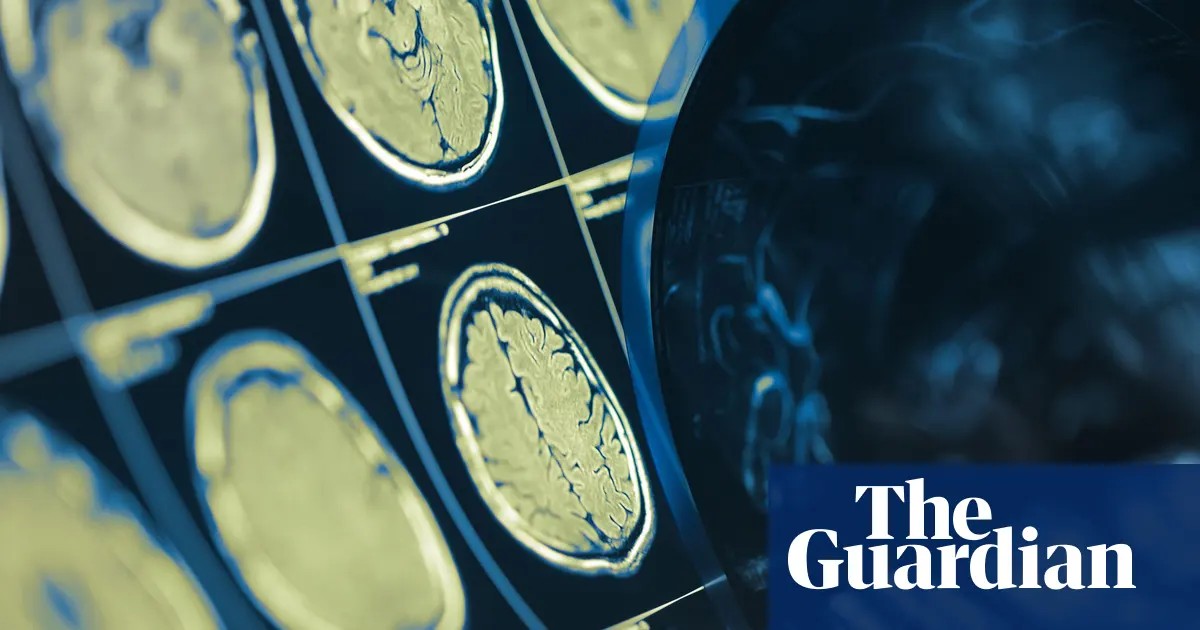
A groundbreaking study has upended the traditional understanding of lacunar strokes, a common type of brain injury affecting approximately 35,000 people in the UK annually. Researchers have discovered that these strokes are likely caused by the widening and weakening of small brain arteries, rather than the fatty blockages previously assumed.
This finding is significant because it explains why standard stroke prevention medications, such as aspirin and other blood thinners, are often ineffective for this specific condition.
Rethinking the Cause of Stroke
For years, medical consensus linked lacunar strokes—which account for roughly 25% of all strokes in the UK—to the same mechanism as other ischaemic strokes: the accumulation of fatty deposits (plaque) that block blood flow.
However, new research led by academics at the University of Edinburgh and the UK Dementia Research Institute (UK DRI) challenges this narrative. By analyzing data from 229 patients who had experienced either lacunar or mild non-lacunar strokes, the team identified a distinct pattern:
- Narrowing arteries were more commonly associated with other types of stroke.
- Widening arteries showed a strong correlation with lacunar disease.
- Patients with widened small vessels were more than four times more likely to suffer a lacunar stroke.
Professor Joanna Wardlaw, a professor of applied neuroimaging at the University of Edinburgh and group leader at the UK DRI, emphasized the clinical importance of this distinction:
“This study provides strong evidence that lacunar stroke is not caused by fatty blockage of larger arteries, but by disease of the small vessels within the brain itself. Recognising this distinction is crucial… it highlights the urgent need to develop new therapies that target the underlying microvascular damage.”
Why This Matters for Treatment
The primary implication of this discovery is therapeutic. Current guidelines often prescribe anti-platelet drugs (like aspirin) to prevent blood clots caused by arterial blockages. Since lacunar strokes stem from structural damage to small vessels rather than clotting issues, these medications offer limited protection.
Understanding the true biological mechanism opens the door for:
1. Targeted Therapies: Developing drugs that specifically address microvascular damage and vessel integrity.
2. Better Risk Assessment: Identifying patients with widening small vessels who may require different preventative care.
3. Improved Recovery Outcomes: Tailoring rehabilitation and post-stroke care to the specific nature of the injury.
The Funding Gap
Despite stroke being the leading cause of complex adult disability and the fourth leading cause of death in the UK, research into the condition remains severely underfunded. Maeva May, Director of Policy for the Stroke Association, noted that less than 1% of total UK research funding is allocated to stroke-related studies.
“There is still so much we don’t know about stroke,” May said. “Answering these questions and developing effective treatments is crucial to help ensure a good recovery for the 240 people who survive stroke every day in the UK.”
She called for this research to become a national priority, urging the NHS, government, and the wider scientific community to create clear pathways that translate laboratory breakthroughs into patient care.
Conclusion
This study marks a pivotal shift in stroke science, moving the focus from arterial blockages to small vessel disease. By correctly identifying the cause of lacunar strokes, researchers can now pursue more effective treatments, potentially saving lives and reducing long-term disability for thousands of patients each year.