The latest reports from the tech and science worlds present a fascinating, if somewhat unsettling, look at how artificial intelligence is encroaching on human roles, the logical gaps in our favorite treats, and the strange loops of digital identity.
The Rise of “ZuckGPT”
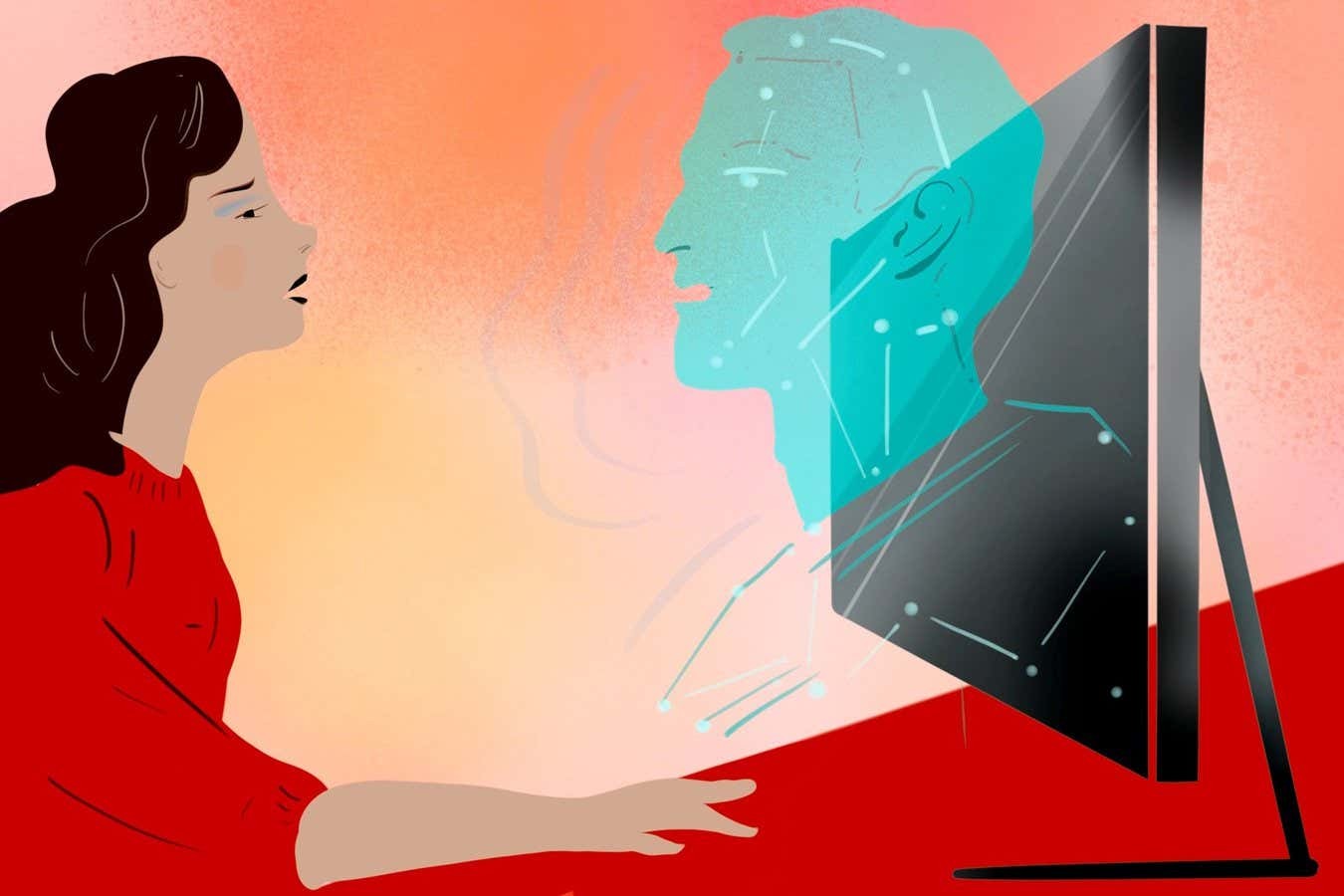
Meta, the conglomerate behind Facebook, Instagram, and WhatsApp, is reportedly working on a highly unusual project: an AI version of its CEO, Mark Zuckerberg.
Developed by Meta’s “Superintelligence Labs,” this AI is designed to act as a digital surrogate for the company’s leader. By training the model on Zuckerberg’s public statements, company policies, and even his specific mannerisms and tone, Meta aims to create a lifelike character capable of interacting directly with employees.
Why this matters
The stated goal is to foster a sense of connection between staff and leadership. However, this move raises significant questions about the nature of management and workplace boundaries:
- Availability vs. Autonomy: While human bosses require sleep, travel, and personal time, an AI version could be available 24/7. This eliminates the natural “downtime” that often allows employees the mental space to work independently.
- The Authenticity Gap: If an AI mimics a leader’s tone without their actual judgment, does it bridge the gap or merely create a hollow imitation?
- Technical Hurdles: Meta’s previous ambitious venture, the Metaverse, struggled with basic technical execution (such as creating realistic digital avatars). There is no guarantee that an AI version of a human can capture the nuance required to be an effective communicator.
The move toward “digital twins” for leadership suggests a future where the human element of management is increasingly mediated by algorithms, potentially blurring the line between personhood and persona.
The Missing Fourth Type of Chocolate?
In a delightful dive into culinary logic, a question has emerged regarding the fundamental composition of chocolate. Standard chocolate varieties are defined by two main variables: cocoa powder and milk.
The current logic follows a predictable pattern:
1. Milk Chocolate: Contains both cocoa powder and milk.
2. Dark Chocolate: Contains cocoa powder but no milk.
3. White Chocolate: Contains milk but no cocoa powder.
This leaves a logical vacuum: What happens if you remove both cocoa powder and milk?
Mathematically, a substance consisting solely of cocoa butter and sugar should exist as a fourth category. While such a combination might be physically possible, it remains a theoretical curiosity rather than a commercial staple—likely due to the intense sweetness and unique texture that such a composition would produce.
The Wikipedia Paradox: A Digital Ship of Theseus
In the realm of philosophy, the Ship of Theseus is a classic thought experiment: If every single plank of a ship is replaced over time, is it still the same ship?
A strange, real-world version of this paradox has been discovered within the digital archives of Wikipedia. The Wikipedia entry dedicated to the Ship of Theseus paradox has undergone over 2,000 edits since its creation in 2003. Because so many “major” edits have occurred, not a single word of the original text remains.
This creates a recursive loop: The article describing a paradox regarding identity has itself lost its original identity.
This phenomenon—where a subject becomes a literal example of the concept it describes—is more than just a coincidence; it is a digital manifestation of the very philosophical problem it seeks to explain.
In summary, whether through the creation of AI CEOs, the pursuit of logical confectionery, or the evolution of digital encyclopedias, we are increasingly seeing the lines between reality, logic, and imitation begin to blur.