The ruins of Reactor 4 at the Chernobyl Nuclear Power Plant represent one of the most hostile environments on Earth. Enclosed within a crumbling concrete sarcophagus and shielded by the massive New Safe Confinement structure, the interior is a pitch-black labyrinth of jagged debris, extreme radiation, and structural instability.
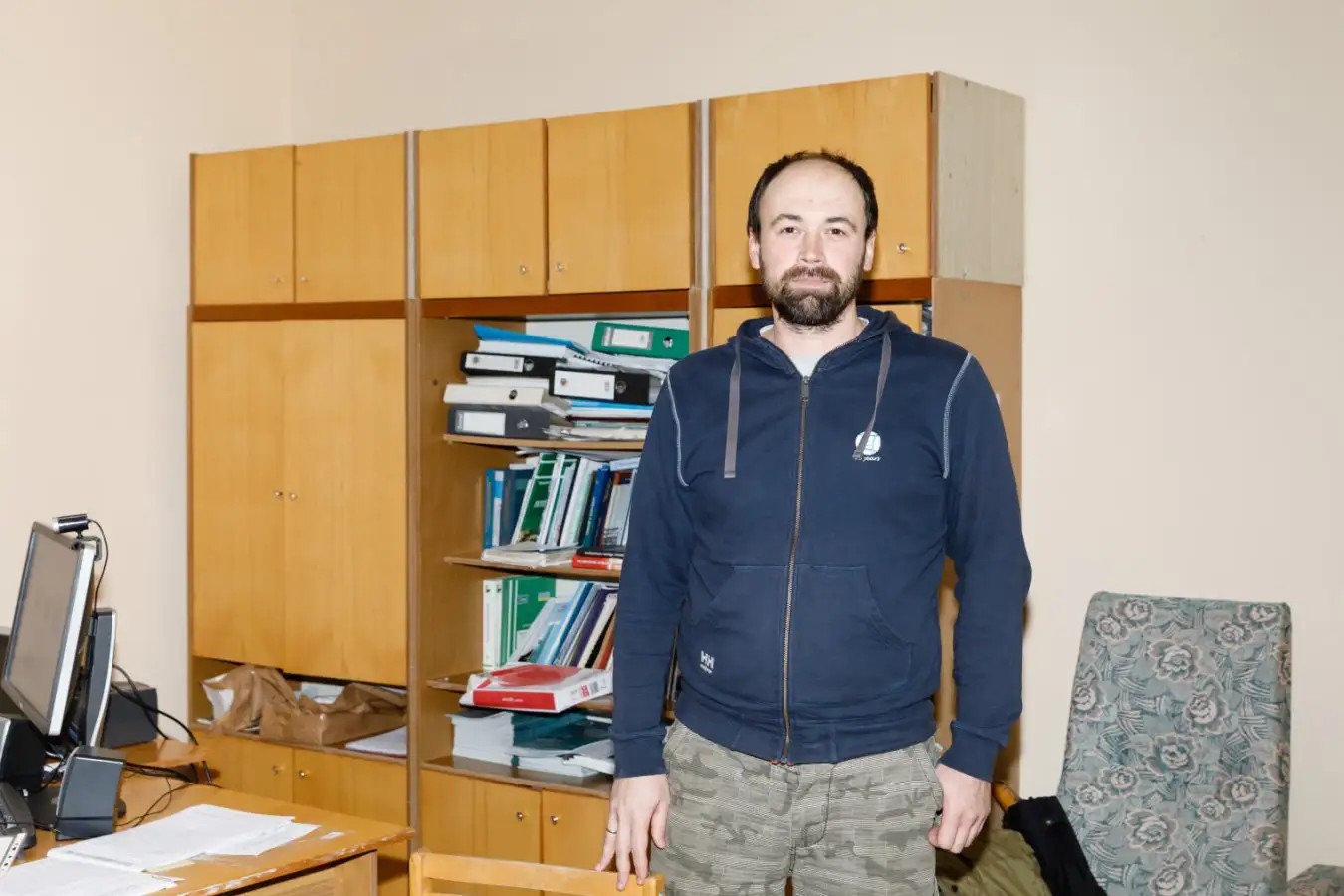
Yet, despite these lethal conditions, scientists must regularly enter this zone. For Anatoly Doroshenko, a researcher at the Institute for Safety Problems of Nuclear Power Plants (ISPNPP), this isn’t just a job—it is a high-stakes mission to monitor a disaster that remains very much alive.
The High Stakes of “Inside” Work
Doroshenko’s role involves crawling deep into the reactor ruins, sometimes coming within eight meters of the radioactive core. These missions are essential for gathering the data required to understand the reactor’s current state, but they require a grueling balance of speed and precision.
The mission is defined by several critical factors:
– Time Constraints: Exposure must be kept to an absolute minimum, meaning every movement must be pre-planned.
– Contamination Control: Every surface is radioactive. One wrong touch can contaminate clothing or skin, turning a routine measurement into a health crisis.
– Physical Obstacles: The interior is a maze of melted fuel, concrete, and metal known as corium. This substance, formed at temperatures of 2,500°C during the 1986 meltdown, has oozed into strange, permanent shapes that make navigation incredibly difficult.
Protection: Knowledge Over Gear
While much is made of the protective equipment—ranging from respirators and gloves to multi-layered polythene suits and heavy lead aprons—the experts argue that gear is only the second line of defense.
“The main protection for us is knowledge, it’s not the suits,” says researcher Olena Pareniuk.
For Doroshenko and his colleagues, the true shield is dosimetry expertise and rigorous adherence to safety protocols. The physical weight of lead aprons makes moving through tight, debris-choked spaces even more dangerous, increasing the risk of trips or falls in an area where a single mistake could be fatal.
Why We Must Watch: The Threat of Neutron Spikes
A central question remains: Why is it necessary to keep going back into such a dangerous place?
The answer lies in the unpredictable nature of the remaining fuel. Inside the reactor, fragments of uranium and plutonium continue to decay, emitting neutrons. If these neutrons are not slowed down by water, they can trigger unexpected fission reactions, causing “spikes” in nuclear activity.
The environment inside the reactor is constantly shifting:
* Humidity Levels: In the past, moisture from rain and birds entering the cracked sarcophagus helped slow down neutrons.
* The New Safe Confinement: With the installation of the new, more secure structure, humidity levels are dropping.
* The Risk: Lower humidity could lead to sudden increases in neutron flux. Scientists need real-time data to predict these “accidents” before they happen.
Furthermore, the structural integrity of the site is a constant concern. The Upper Biological Shield —a 2,200-tonne slab nicknamed “Elena”—sits at a precarious 15-degree angle. A collapse would not only be a structural catastrophe but would also stir up massive clouds of radioactive dust.
A Dangerous Legacy
The work performed by Doroshenko and the ISPNPP team is a bridge between the disaster of 1986 and the long-term stability of the site. As the environment inside the reactor changes due to new containment measures, the need for human presence—despite the extreme risks—becomes even more critical.
Ultimately, the mission at Chernobyl is a race against time and physics: scientists must continuously monitor a volatile, changing environment to prevent a secondary catastrophe from occurring within the ruins of the first.