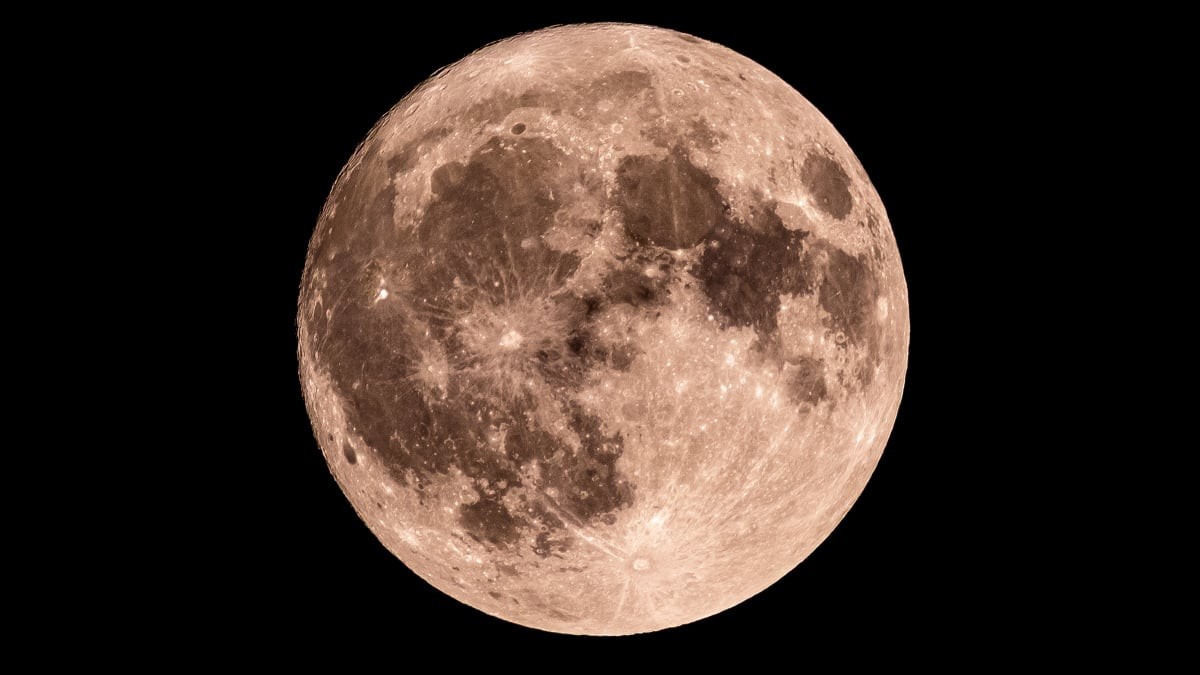
The moon is getting bigger. Brighter. It’s July 25, and if you look up tonight, you’re catching the Waxing Gibbous phase before the big reveal. NASA’s trackers put visibility at 84%. Not full. Close though.
How to Spot Details During the Waxing Gibbous Phase
You don’t need a space telescope to see something interesting. The naked eye does most of the heavy lifting.
Look for the dark patches. The Mares Fecunditatis and Mares Tranquillitatis are clearly visible. So is the Copernicus Crater. It stands out against the lighter ground.
Want more? Grab binoculars. The Alps Mountains show up. The Archimedes Crater and Gassendi Crater become distinct circles rather than blurry smudges.
If you have a telescope, go ahead. You can actually spot the Apollo 14 and Apollo 15 landing sites. The Rima Ariadaeus rille looks like a scar across the surface.
“Without visual aids, you should be able to see the main maria and large craters tonight.”
Why the Moon Changes Shape Every Night
It’s not magic. It’s geometry.
The moon orbits Earth. It takes roughly 29.5 days. The sun stays in roughly the same spot. As the moon moves, the angle between the Earth, moon, and sun changes. That changes how much of the lit side we see.
We always see the same face of the moon. That part never changes. The light does.
This creates eight phases. A cycle. A loop.
Here is the breakdown:
- New Moon
The moon is between us and the sun. The side facing Earth is dark. Invisible to the naked eye. - Waxing Crescent
A sliver appears on the right. (Assuming you are in the Northern Hemisphere). - First Quarter
Half lit. Right side. Looks like a D. - Waxing Gibbous
More than half lit. Growing toward full. This is today’s phase. - Full Moon
Fully illuminated. The whole face is bright. - Waning Gibbous
Light starts to fade on the right side. - Third Quarter
Half lit again. Left side. Looks like a backward C. - Waning Crescent
Thin sliver on the left. Fading back to dark.
When Does the Full Moon Hit in July 2026?
Patience. Four days.
The Full Moon lands on July 29, 2026.
Until then, it’s a slow creep. The gibbous phase is the quiet build-up. The tension before the peak.
People ask why the moon looks different each night. It’s simple perspective. The orbit is constant. The light source is constant. Only our angle of view shifts.
Tonight it’s 84%. Tomorrow maybe 92%. By the 29th, it will be all there is.
Will you be watching?
The sky doesn’t care. It just turns.