


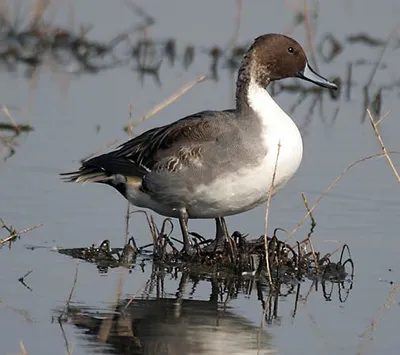
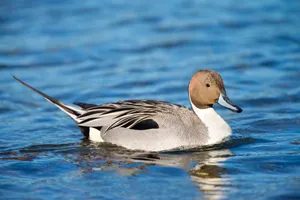

They are the sprinters of the duck world. Smooth. long neck long tail. These ducks messing around in Anas don’t just FLOAT around. They cross the water. More specifically, surface bikes are built for speed and distance.
Take for example the pintail duck, also known as the pintail (Anas acuta ). It is the most widespread of the four species and is widely distributed throughout the northern hemisphere. But its scope is not only local. This is quite a long flight.
Some populations originated in Alaska. Finally they arrived in Hawaii. That’s thousands of miles of sky.
The time is exact. Winter sites often occur in pairs. The male then follows the female back north to their summer breeding grounds. This is a synchronous transfer that defines the life cycle.
they fly very fast. It is a popular hunting bird. But this speed comes at a price. You have to be fast to cover so much ground.

Pintail is a medium-sized duck, 66-75 centimeters long from beak to tail. It typically weighs about 900 grams or about two pounds. The male is striking. It has a chocolate brown head and throat that contrasts with a pure white breast and gray back. His tail is the giveaway. Two long, pointed central feathers extend from the black tail, giving the bird its name and elegant silhouette in flight.
Women are different. They are mottled brown and this camouflage works well when sitting on eggs. These olive colored eggs, usually about eight eggs, are laid in hidden nests in marshes or open meadows. When they are not building a nest, their favorite food is seeds.
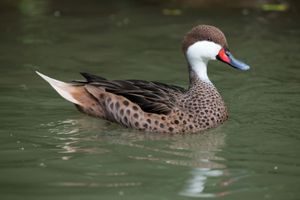
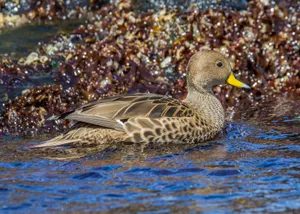
Pintail ducks are not the only pintails. Too precise a geography can confuse the classification of this group. Take for example the brown pintail, also known as the yellow-billed pintail or Chilean pintail. It is mainly a South American species. The scientific name is Anas georgica. Next is the Bahamian Pintail, also known as the white-cheeked pintail (Anas bahamensis ). This one is also native to South America, but its range is further north.
Africa has its own version. The red-billed pintail (Anas erythrorhyncha ) looks grey. It is resembles to its New World cousins, but its red beak stands out.
Why is this important? Knowing which pintails are where can help conservationists track migration routes and habitat needs. Chilean marsh birds face different threats than North American prairie birds. African red-billed ducks face unique pressures.
The loss of habitat directly threatens northern pintails, which rely on nesting in marshes and meadows. The male’s distinctive tail feathers are not just for show. They have a courtship role. Female camouflage is important for survival during incubation. A seed diet ties them with specific plant communities.
If you spot an pintail, look at its tail. See the bill. Look at the place. A red bill refer to Africa. Yellow bills may refer to South America. Are the middle tail feathers of the male very long? It is probably an American or Eurasian northern pintail.
These birds exist everywhere, but they are specific. They are adapted to wetlands across continents. Their survival depends on the health of those wetlands.


