The food we buy isn’t what it used to be. Not really.
Decades ago, a lemon actually held a decent punch of vitamin C. Carrots were solid sources of calcium for vegetarians. Bananas carried decent vitamin A levels. Today? Those numbers are dropping fast. The USDA noted in the late 90s that vitamin C in lemons had plummeted by nearly a third over just 22 years. Calcium in carrot samples dipped by more than a quarter. Wheat lost 20 to 30 percent of its mineral content since the 1960s alone.
Why is the nutrient density of our food declining?
It’s a messy mix. We’ve bred crops to grow huge and fast. That’s one issue. Higher carbon dioxide levels in the atmosphere mean plants make more sugar and starch while producing fewer nutrients. They bulk up on empty calories, essentially.
Some people want genetic engineering. Others push synthetic soil amendments or underground vertical farms. But there is a simpler, dirtier answer gaining traction among a specific group of researchers: regenerative agriculture.
Why Soil Health Determines Food Quality
Regenerative agriculture isn’t just a buzzword here. It’s a method focused on rebuilding organic matter and soil ecosystems. Francesca Brkic, a researcher at the University of Lincoln, put it simply. “The question is, does that deliver more nutrition?”
Her team’s answer was a loud yes.
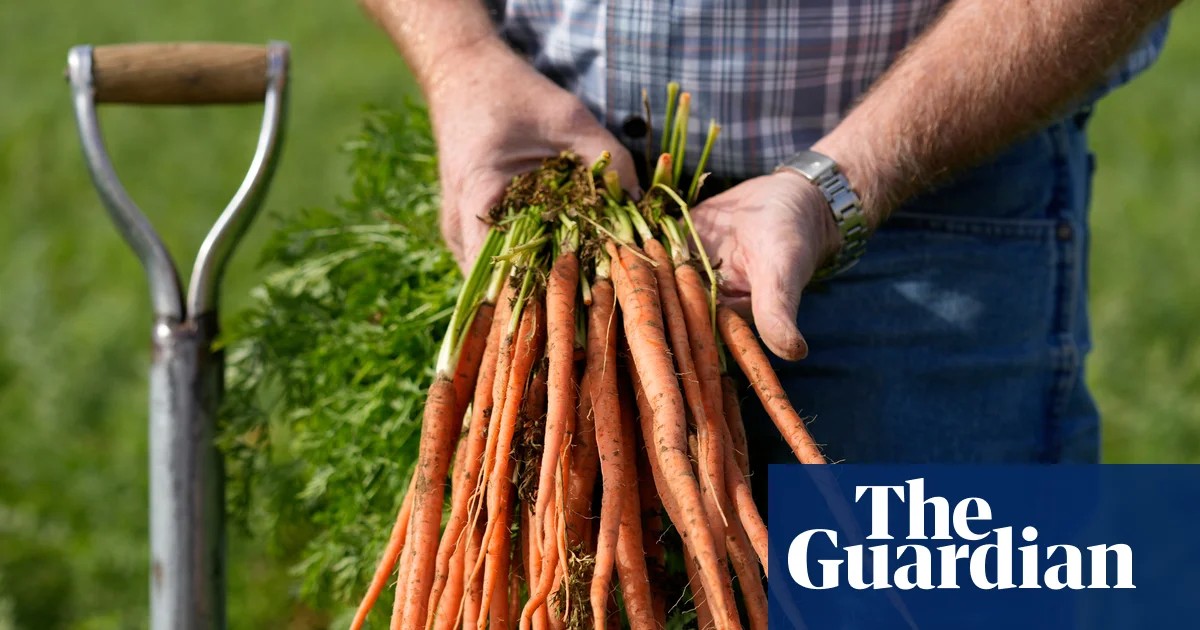
They sampled products from regenerative farms against conventional ones. The gaps were staggering. Iron levels in kale from regenerative sources were up to 22 times higher. Selenium, an important antioxidant, jumped eight times higher in dried peas. Folate in carrots? Up to 20,00 times greater in the regenerative samples.
To get these numbers, they used organic farming as a baseline. Organic focuses on avoiding harm. Regenerative focuses on doing good. Specifically, these farms used cover crops, grazed animals on the land, avoided ploughing, and stayed away from insecticides or pesticides.
Ploughing kills the soil’s hidden networks. Mycorrhizal fungi help plants pull nutrients from the earth. Heavy chemicals and tilling destroy those networks. You break the bridge between the plant and the mineral rich soil, and the plant gets hungry.
“It was the microbial truckers and miners in our soil that got put off the job by conventional.”
That’s Dr. David Montgomery, a geologist. He argues that post-war farming sustained a population boom but wrecked the soil. His work suggests regenerative practices can bring those microbial miners back to work.
Other data backs this up. A 2015 review by Newcastle University found switching to organic produce could provide antioxidants equivalent to one or two extra portions of veg a day. The Bionutrition Institute tested thousands of samples. The strongest correlation for high nutrition was simple soil health and biological activity.
Is Regenerative Produce Worth the Higher Price?
Not everyone agrees the benefits outweigh the costs.
Critics point out that regenerative farming relies less on machinery and chemicals. That means more human labor. It often means higher prices for the consumer. In a world where doctors are just trying to get patients to eat any vegetables, pushing expensive regenerative kale is tricky.
Then there’s the greenwashing problem. It’s rampant. Labels claim regenerative status without rigorous standards.
Dr. Naheed Ali warns of “dietary displacement.” This is when someone buys a small amount of super-nutritious regenerative food, believes it’s magic, and eats less overall. “This belief can lead to inadequate intake,” Ali says. You end up with less food in your system, even if the quality per gram is higher.
Plus, the science is still mixed. UK and French food agencies found differences in nutrient content but called them small. A large Stanford University review found some organic foods had more minerals, particularly phosphorus. But the results varied wildly. Sometimes the difference was statistically insignificant.
Prof. Ken Giller and colleagues think scaling regenerative agriculture to feed 8.3 billion people is unlikely. They fear the yield penalties are too high.
Montgomery pushes back. He argues regenerative farming isn’t about specific equipment. It’s a philosophy. “We build soil health as the north star.” If you follow that logic, it scales.
The Future of Food Systems
So where does that leave us?
There is likely something valuable in farming practices that prioritize soil ecosystems. It helps biodiversity. It might help our nutrient intake. The data isn’t uniform, but the potential is there.
The hard part isn’t the farming. It’s the integration. How do we weave this into a food system built on efficiency and speed?
Brkic suggests the impact could be profound with only minor changes. “Just imagine what we could do if we made a few tweaks.”
Maybe. But until then, your kale might just be a leaf.