Friday wasn’t about bad luck. Not even a little.
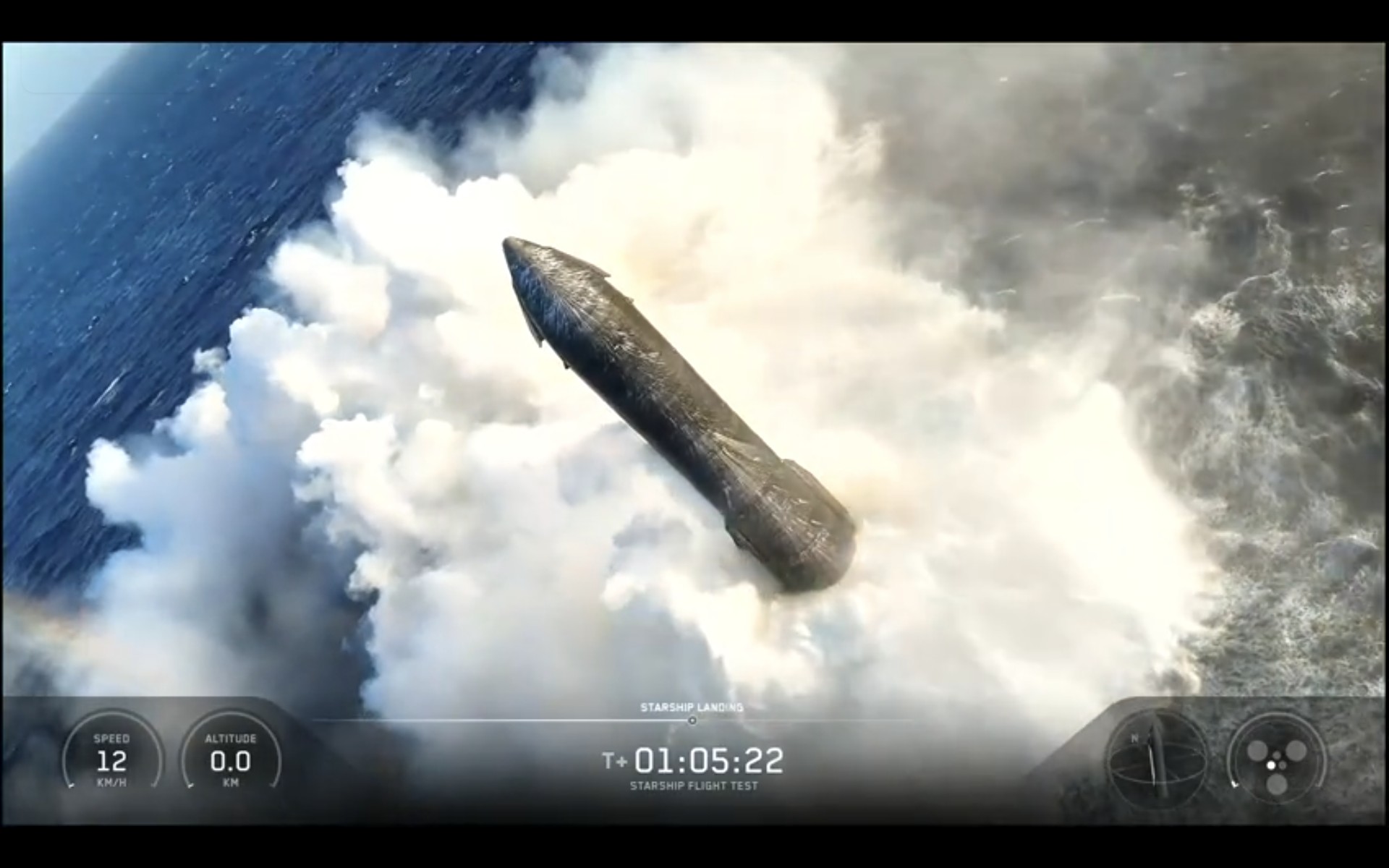
SpaceX launched Starship Flight 13 on July 24 from Texas. The rocket soared. It flew. And then it did something weird. It landed in the Indian Ocean without exploding. In fact, it floated belly-up, intact, transmitting data.
Elon Musk posted about it immediately. “Starship is intact, floating in the Ocean and transmitting telemetry!” he wrote on X. Dan Huot, a SpaceX spokesperson, called it the softest splashdown ever. A first. A dream scenario for a team desperate for heat shield data.
Why Starship Flight 13 Matters More Than You Think
This wasn’t just another test. It was a validation of Version 3. The first V3 flight in May ended with a crash. This one? It worked. Mostly.
The launch itself was messy. They tried on July 16. Engines failed. They aborted. July 23 brought weather delays. But Friday? Liftoff at 6:51 p.m. EDT. A 40-story rocket roaring into the sky.
The Super Heavy booster separated. It flipped. It tried to land. Five engines lit instead of thirteen. It hit the Gulf of Mexico hard. Cameras cut out. Rough landing. But the Ship upper stage? That’s where the magic happened.
How the Next-Gen Starlink V3 Satellites Performed
Here is the concrete win. Twenty Starlink V3 satellites deployed. These aren’t the old flat panels. They are big. Laser-linked. Massive solar arrays.
Starship is built to carry sixty of these at once. It spits them out like candy from a PEZ dispenser. All twenty went smooth. The last two even turned on lights and looked back at the Ship before drifting off. They burned up later by design. Suborbital path. No orbit yet.
But the deployment worked. The payload bay door opened. The lasers are there. The future internet is floating in that metal.
The Engine Relight and Reentry Test
After the satellites left, the Ship reignited an engine. One of six Raptors. It lit up. It stayed lit. This is huge.
Why? Because you can’t enter orbit without relighting engines in space. SpaceX skipped this burn before when tests went south. They did it this time. Perfectly.
Then reentry. Plasma wrapped around the craft. White-hot fire. Cameras streamed it live. The Ship flipped vertical. Three engines fired. Then two. Then one. It toppled into the waves.
Cheering erupted at Starbase. Cheering in Hawthorne, California. Usually, a tipped-over Starship means fireball. This time? It just sat there. Floating.
“This is the first time we’ve put a Starship into the water,” Huot said.
Teams will retrieve the wreckage. The six engines are intact. Flaps are fine. Heat shield tiles survived the plasma. This data is gold.
The Road to Artemis and Beyond
SpaceX has a to-do list that makes NASA nervous.
- Complete a full Earth orbit. (They haven’t done this in three years.)
- Catch the Ship with “chopsticks” on the launch tower. (They catch the booster already. Now they want the Ship.)
- In-space refueling. (Essential for moon landings.)
- Build the crew lander variant.
NASA Administrator Jared Isaacman tweeted congratulations. He mentioned the 57th anniversary of Apollo 11. Timing is ironic. Or poetic. He said Starship capabilities will be “game-changing.” Specifically, for ensuring we “never give up the Moon again.”
Artemis IV needs Starship to land astronauts in 2028. That deadline is tight. Very tight.
Flight 13 was a step. A lucky number, according to Huot. A “hell of a great day.”
The rocket floated in the ocean. Silent. Intact. Waiting to be studied. The next flight will be harder. Orbit is a beast. Refueling is harder. Catching the rocket mid-air? Almost impossible.
But today, it didn’t burn. It just bobbed in the waves.
Which is a start.