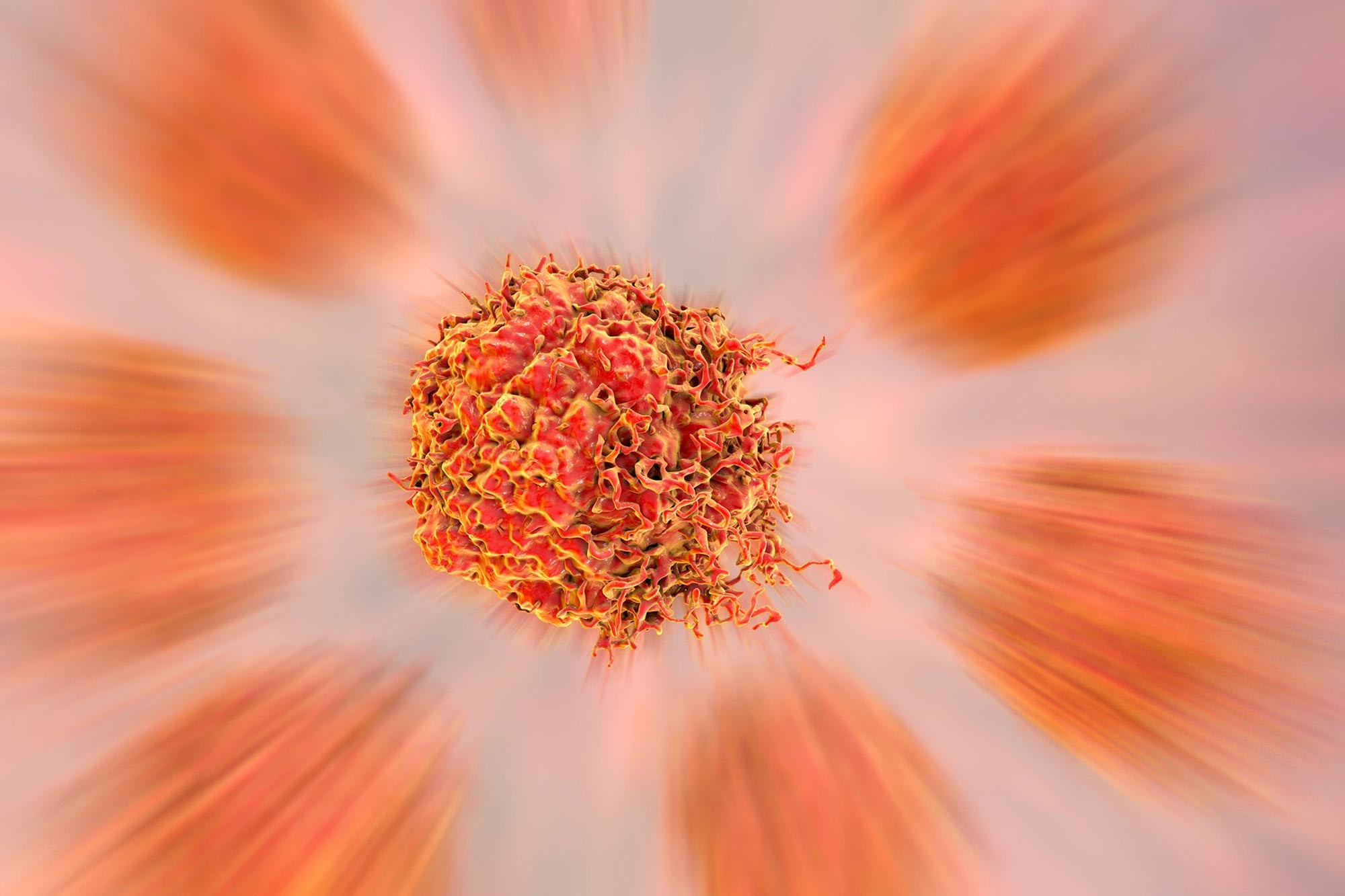
Prostate cancer has a habit of hiding. It strips itself of the molecular flags that signal “invader” to the immune system. The result? An “immune cold” tumor. Few T cells. Little resistance. Treatment that should work just… doesn’t.
But new research changes the game. Scientists didn’t attack the DNA. They didn’t even cut it. Instead, they used a CRISPR-based tool to tweak the length of a single RNA strand. In mice, that tweak forced prostate tumors to stop hiding. The immune system saw them. It attacked. And the tumors vanished from the radar.
The study, published in Nature Biomedical Engineering, offers a specific answer to a stubborn problem: how to make immunotherapy work for prostate cancer.
Why Prostate Cancer Hides from the Immune System
Immunotherapy has been a miracle for melanoma and lung cancer. It’s less effective for prostate cancer. Why? Most prostate tumors are “immune cold.”
They contain very few T cells. T cells are the soldiers. Without them inside the tumor bed, checkpoint inhibitors have no army to command. It’s like handing a general a map to an empty battlefield.
The culprit, according to this research, is bad RNA processing. Specifically, messenger RNA (mRNA) molecules that are too short.
mRNA acts as a middleman. It carries genetic instructions from DNA to the cellular machinery that builds proteins. The length of that message matters. Shortened mRNAs survive longer. They produce more protein. In cancer cells, that extra protein often helps the tumor evade detection.
The SPSB1 Problem and MHC-1 Loss
The researchers traced the issue to a specific protein called SPSB1.
Here is the chain of failure:
- Prostate cancer cells shorten the mRNA instructions for making SPSB1.
- Shorter mRNA means more SPSB1 protein is produced.
- Excess SPSB1 hunts down and destroys the MHC-1 complex.
MHC-1 is critical. It sits on the cell surface like an ID card. It displays molecular clues that tell T cells, “Hey, look at this abnormal stuff.” It helps T cells recognize potential threats.
No MHC-1. No ID card. No recognition. The cancer becomes invisible. Checkpoint therapy might release the immune brakes, but if the T cells can’t see the target, the brakes don’t matter.
A CRISPR Tool That Doesn’t Cut DNA
Most people associate CRISPR with cutting DNA. That’s messy. It can cause off-target mutations. This team, led by Duke University School of Medicine, took a different path.
They used a Cas13 system. This tool targets RNA directly. But it didn’t slice the SPSB1 mRNA into pieces. Instead, it bound to a specific section of the molecule. It blocked the cellular machinery that would normally chop off the end, or tail, of the RNA.
By keeping the mRNA intact, they restored its normal length.
The result? Less SPSB1 protein was produced. Without that destructive protein, the MHC-1 complex remained on the surface of the cancer cells.
The disguise dropped. The immune cells could see the tumors again.
Restoring Visibility and Killing Tumors
The data from the mouse models was clear.
With the mRNA length corrected, MHC-1 levels rebounded. Immune cells flooded back into the tumors. When combined with standard immune checkpoint therapy, the treatment was significantly more effective than either approach alone.
It’s a synergistic effect. The CRISPR tool turns on the lights. The checkpoint inhibitor lets the immune system strike.
“Immunotherapy is a monumentally differentway to treat cancer… Our tool strengthens the immune system’s abilityto make the cancer go away.” — Eric J. Wagner, co-author, University of Rochester Medicine
This isn’t just theory. The work stems from a 12-year investigation. It started when the team noticed abnormally short mRNAs in glioblastoma cells. They saw it across other cancers too. It seemed like a universal trick for immune evasion.
Now, they’ve found a way to reverse it.
What This Means for Future Treatment
The primary long-tail search query here is clear: can RNA-based CRISPR therapy treat immune-cold prostate cancer? The preclinical answer is yes.
The researchers performed an extensive analysis for off-target effects. They found none. That’s a huge win for safety. But it’s still preclinical. Human trials are next.
Eric J. Wagner, who helped lead the study, notes that cancer is “super smart at evolving.” But evolution takes time. If you attack it with immunotherapy and a drug that restores immune visibility, the cancer might not adapt fast enough to survive.
“It’s an excellent preclinical model showing that mRNAscan be forced to re-lengthen… and when they do, there’s therapeutice benefit,” Wagner said.
The implications extend beyond prostate cancer. Any tumor that manages to stay “cold” and hidden could potentially benefit from this RNA-based approach. It shifts the focus from destroying cancer cells directly to simply making them visible again.
We’ve spent decades trying to kill cancer harder. Maybe the better move is just making sure we can see it first. The mice seem to agree. We’ll have to wait for the humans to confirm.