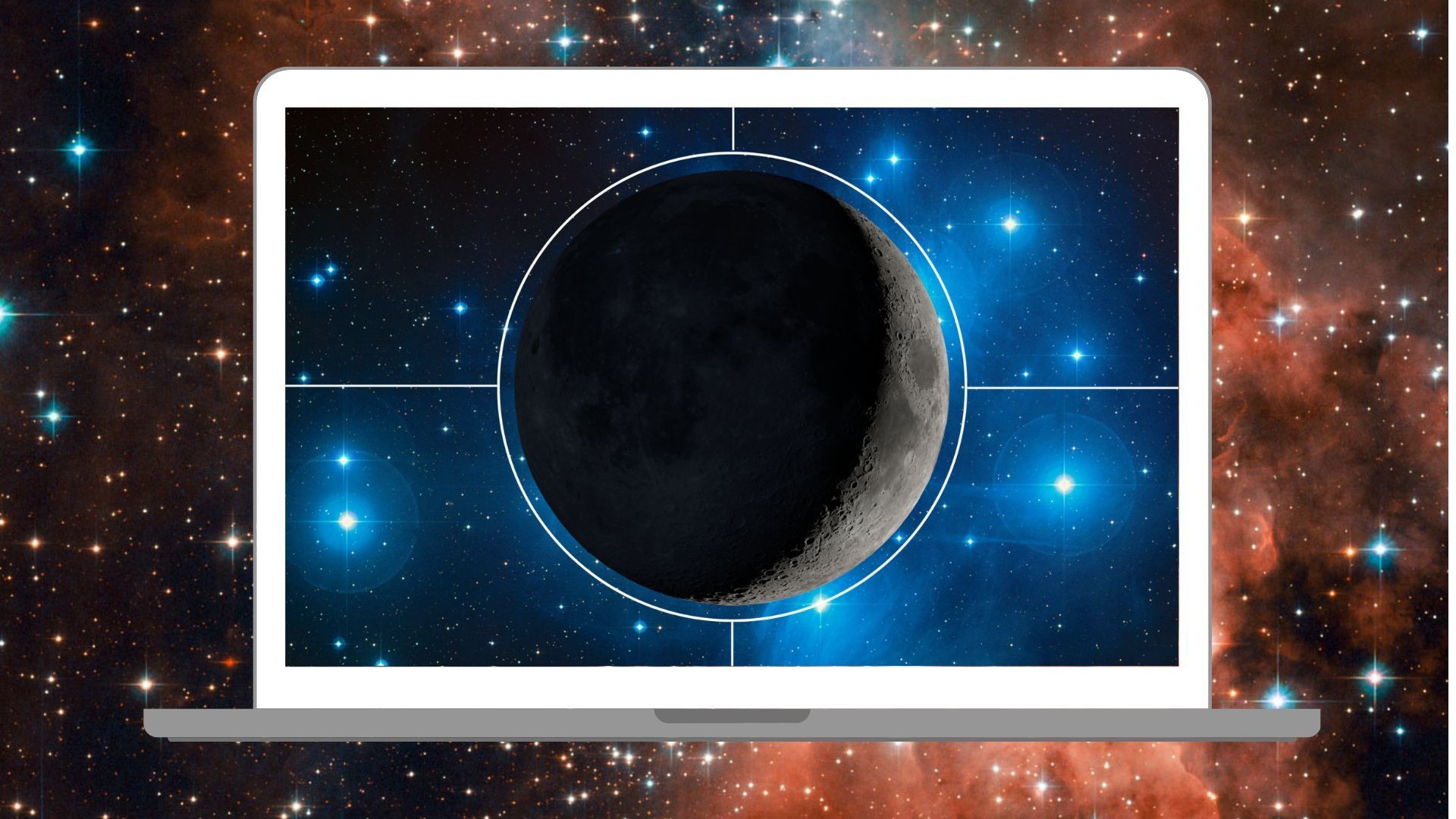
On April 19, stargazers have a unique opportunity to witness a rare celestial dance: a waxing crescent moon passing directly in front of the Pleiades, one of the most recognizable star clusters in the night sky.
Because this event occurs at different times depending on your location, the visual experience will vary significantly between the Americas and Europe.
The Event: A Lunar Occultation
The phenomenon involves the moon “occulting”—or passing in front of—the blue-white stars of the Messier 45 cluster (the Pleiades). Located within the constellation Taurus, these stars are roughly 445 light-years away from Earth.
The timing of the alignment creates a challenge for observers:
* In the United States: The moon will pass over the Pleiades at 12:52 p.m. EDT. Because this occurs during the day, the moon will be lost in the glare of the sun, making it invisible to the naked eye or standard telescopes.
* In Italy and Europe: The timing is much more favorable. Following the daytime transit, the moon will arc toward the western horizon, allowing observers to watch the moon “slip” away from the cluster in the hours after sunset.
How to Watch via Livestream
For those unable to view the event in person, the Virtual Telescope Project will host a live broadcast on YouTube.
The livestream is scheduled to begin at 2 p.m. EDT (1800 GMT) on April 19. Using a panoramic telescope located in Italy, founder Gianluca Masi will provide real-time views of the moon as it moves away from the Pleiades, provided weather conditions remain clear.
A Rare Visual Detail: “Earthshine”
One of the most captivating aspects of this specific event is the presence of earthshine.
Because the moon will be a thin waxing crescent (only about 7% illuminated), the sunlit portion will be relatively dim. This low brightness is actually an advantage for astronomers: it won’t overpower the light from the Pleiades, allowing both to be visible simultaneously.
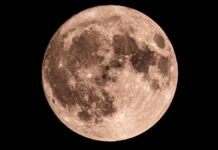
Furthermore, the dimness of the crescent allows viewers to see “earthshine”—a phenomenon where sunlight reflects off Earth’s atmosphere and illuminates the dark portion of the moon. This subtle glow can reveal the lunar maria, the vast, ancient basaltic plains that form the moon’s darker features.
“It will be a memorable sight involving our satellite, showing as a sharp crescent with its elegant ‘earthshine’ and one of the most iconic deep-sky gems, Messier 45,” says Gianluca Masi.
Summary
This celestial event offers a rare chance to see a thin lunar crescent interacting with a famous star cluster. While daytime observers in the U.S. will miss the transit, the evening viewing in Europe and the accompanying global livestream provide a perfect window to observe both the Pleiades and the delicate glow of earthshine.