Antibiotics are losing their punch. 🦠
For thirty years, we barely found any new ones. What we got were just tweaks of the same old drugs. Bacteria noticed. They adapted. Now the WHO is sounding alarms about a “post-antibiotic” era. Imagine this – a paper cut. A scratch on your knee. Things that used to be minor annoyances could become deadly. It’s not sci-fi anymore.
Sedat Nizamoğlu at Koç University isn’t waiting for the crisis to hit him. He and his team looked sideways. Not at new chemical compounds. At physics. Specifically quantum dots.
Small dots. Big punch
Quantum dots are tiny. We are talking dozens of atoms wide. They trap electrons. This lets them absorb light and spit it out at precise wavelengths. Useful for phone screens. Good for solar cells. Also deadly for bacteria, it turns out.
The trick here is chemistry meets light.
The dots catch blue light. They react with oxygen in the air. This creates reactive oxygen species. These molecules are nasty business for microbes. They shred the cell walls. They wreck the bacteria’s antioxidant defenses. The bugs die. Over 99.9% dead in our tests.
It works on S. aureus. It works on E. coli. Even the ones that shrugged off multiple antibiotics got wrecked.
Fixing the flaws
You might think we’ve tried this before. You would be right.
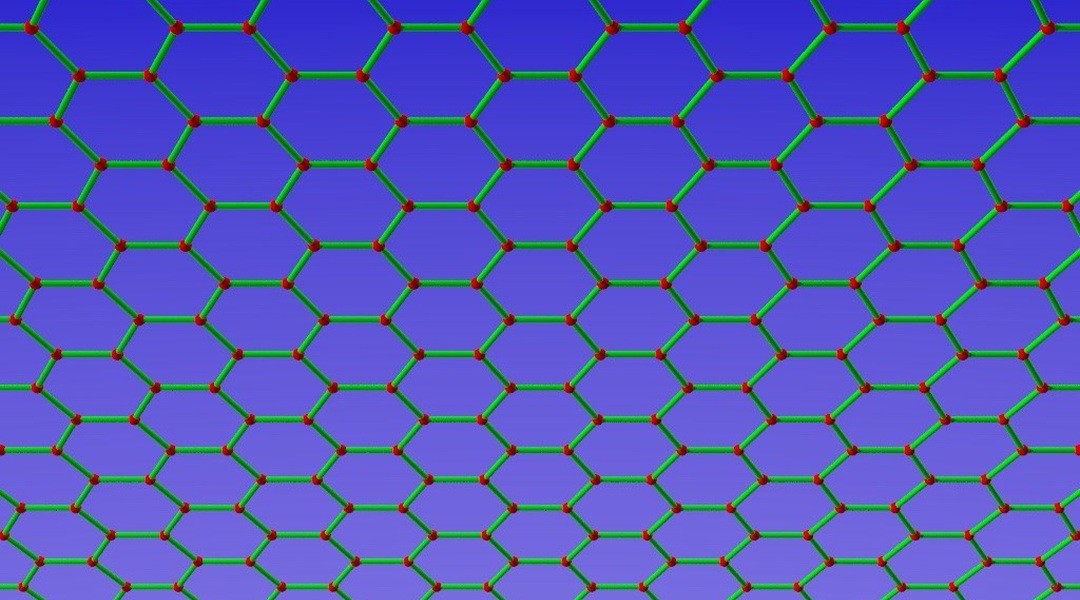
Earlier attempts failed for two main reasons. First the materials were toxic. Heavy metals like cadmium or lead do great at killing germs but also do wonders for destroying human health. Nizamoğlu’s team swapped that out for graphene. Pure carbon. Safe for humans. Easy on the kidneys.
Second issue was power.
Previous dots were weak sips. You needed blindingly bright light to make them work. That isn’t practical for a hospital or a home cream.
Nizamoğlu made a small chemical tweak. Added some carboxyl groups. The dots suddenly emitted twenty times more light than they absorbed.
“This increased their efficacy by more than mouse-cell tests showed this quantum approach could kill bacteria at the lowest concentration ever reported for light-activated dots.
Efficient. Cheap. Stable.
Painting out the problem
How do we use this?
It starts in liquid form. Think creams. Gels. Wound dressings. Slather it on. Hit it with blue light. The infection clears.
But the team looked bigger.
Medical implants get infected often. Catheters. Dental work. Anything that sits in the body long-term becomes a playground for bacteria.
So they built a thin film. Five layers of these graphene dots. They slapped it onto surfaces. Then hit it with low-intensity blue light. The result? Those same resistant strains died off. Again over 99%.
Dental implants could benefit majorly. Catheters too. Any device living in the microbiota zone is prime real estate for infection. Coating it with this light-activated armor changes the game.
Not there yet
Don’t run out buying blue-light cream tomorrow.
Animal and human trials are coming. There is a pipeline to follow. But graphene is easy to synthesize. It is stable. It doesn’t break down quickly. The cost is low.
Could this be the thing that finally sidelines antibiotics for skin infections?
Maybe.
It offers a path forward that doesn’t rely on waiting for a miracle molecule from nature. We just build a better light trap.