Things are getting desperate. Solar storms have dragged the Swift Observatory down toward Earth, and unless someone intervenes, it will burn up in the atmosphere any day now.
It launched back in 2004. A veteran piece of kit. But orbits don’t last forever when the sun is having a tantrum.
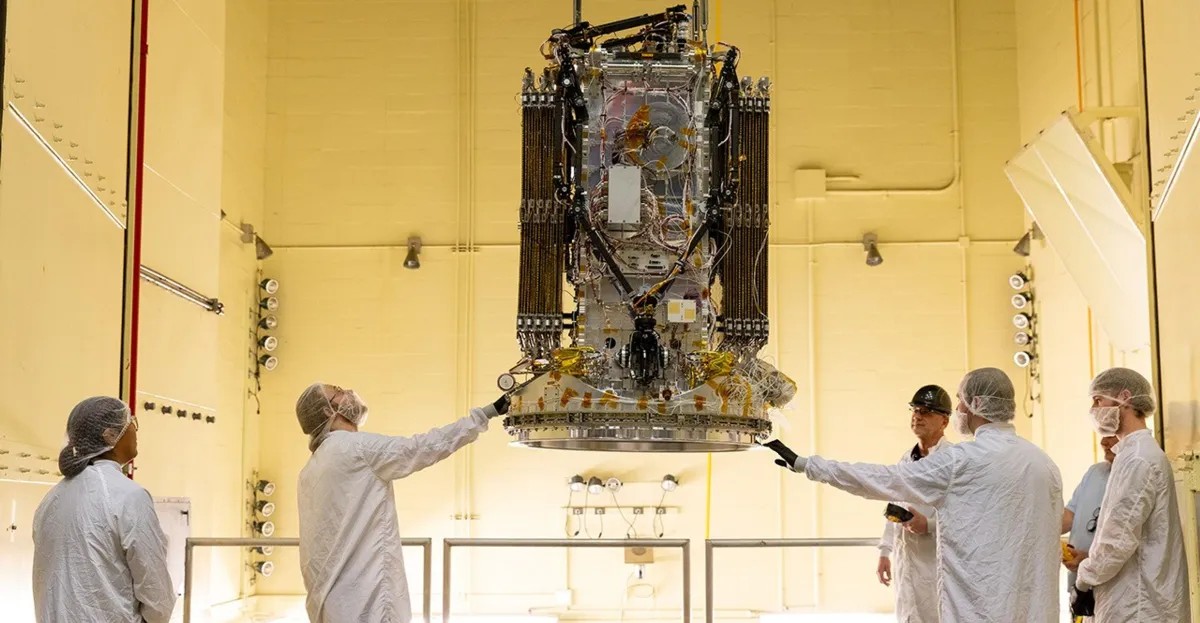
So NASA called Katalyst Space Technologies on Friday. They sent up Link.
Link is a small spacecraft. Swift has no thrusters. It can’t save itself. Link’s job is simple but difficult—catch Swift. Grapple it. Push it up. Right now the telescope sits at 224 miles high. That’s dangerously close to the dense layers of air. Katalyst wants to boost it by about 150 miles to buy time.
Think about that geometry. Three robotic arms. A three-hundred-mile lift. Tight tolerances.
The speed of it all is the real story. NASA said the job had to happen fast or Swift would be unsalvageable by October. No room for delays. $30 million. Nine months. That was the deadline. Katalyst didn’t just meet it, they raced it. Help is en route to a $500 million machine.
Why the urgency? Science. Specifically gamma-ray bursts. The Neil Gehrels Swift Observatory hunts them down, shedding light on the early universe in ways no other satellite can.
Link is heading up there to save a scientist’s eyes on the sky. It might not be enough. Time is short, orbits decay, and physics always collects its due.
Sometimes the mission isn’t the launch. It’s the rescue.