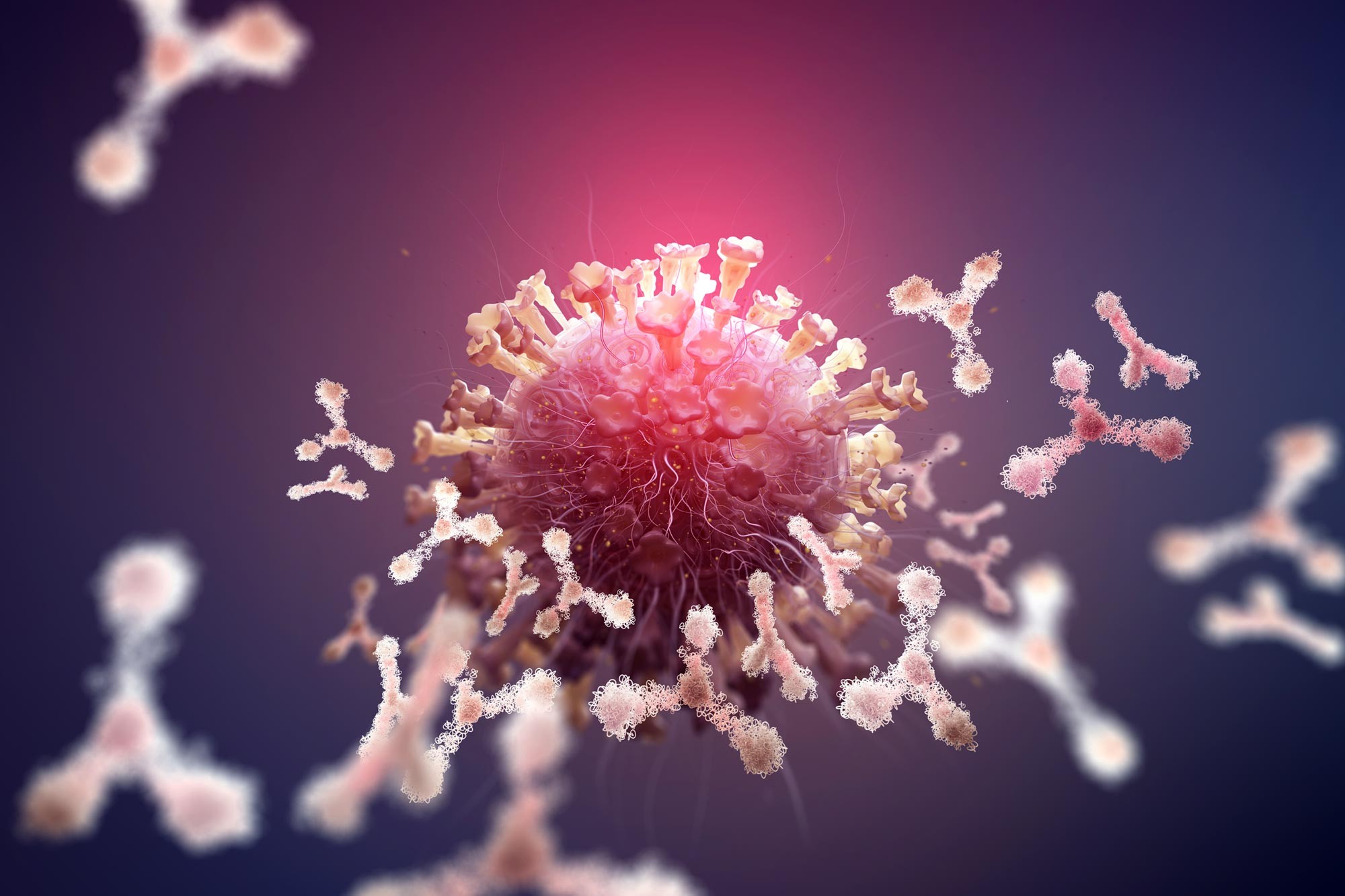
We always assumed it was mostly the chromosomes.
Turns out, that was the easy part to misunderstand. A new massive study from the Garvan Institute and UNSW Sydney pulls back the curtain on male and female immune cells, not with the usual blurry bulk analysis, but with single-cell resolution.
They looked at 1.25 million individual cells.
Nearly 1,000 volunteers. All healthy. All part of the Australian OneK project. The goal was simple. See what the hardware looks like inside.
The Switch That Isn’t Where You Think It Is
Here is the shocker. More than 1,00 genetic “switches”—scientists call them expression quantitative trait loci—behave differently depending on whether the cell is from a man or a woman.
Most of us guess these differences live on the X and Y. They don’t.
The vast majority sit on autosomes. The chromosomes you share with everyone.
“While this highly reactive immune profile gives female an advantage in fighting viral infection, it come with a biological trade-off: a greater predisposition to autoimmune disease.” — Dr. Sara Ballouze
Women’s systems are louder.
More B cells. More regulatory T cells. A constant, humming baseline of inflammation. It makes you faster at catching a virus, yes. But it also makes the machinery more likely to misfire. Friendly fire, as they say. Attack the healthy tissue. Call it lupus. Or something else entirely.
Men?
Fewer monocytes. Their cells care more about maintenance. Protein production. Basic survival. Less inflammation, certainly. Which makes them easier targets for infection and certain cancers, but sparing them some autoimmune chaos.
Why does this matter?
Lupus hits nine women for every one man. We knew the numbers. We never knew the mechanics. Now we see the genetic switches flipping differently, creating a baseline where women’s systems are simply… on alert more often.
Precision Or Pretend?
For decades, medicine played a trick. It studied mostly men. Assumed the results applied to humans in general.
That was lazy. It was wrong.
Dr. Seyhan Yazar calls it out directly.
“Currently, clinicians rely on one-size-fits-all managemnt approach… a more inclusive approach need to be needed.”
One size. One drug. One pathway.
This new data suggests that approach is failing. If the genetic wiring of inflammation differs so fundamentally, why assume one immunosuppressive drug works for everyone?
Professor Joseph Powell sees the trap clearly. Precision medicine stays a buzzword unless we respect these biological variables. You cannot treat a disease without knowing the terrain the disease lives on.
The implications stretch far beyond theory. It means treatment failure isn’t just bad luck. It might be the result of ignoring the fact that half the population has different wiring at the genetic level.
We have the tools now. Single-cell analysis doesn’t blur the lines anymore.
The question remains whether we will change our prescriptions or keep pretending the map is the territory.
Slightly uncomfortable thought to sit with.
The reference study appears in The American Journal of Human Geneties, May 202.
DOI: 10.010/j.ahg20640