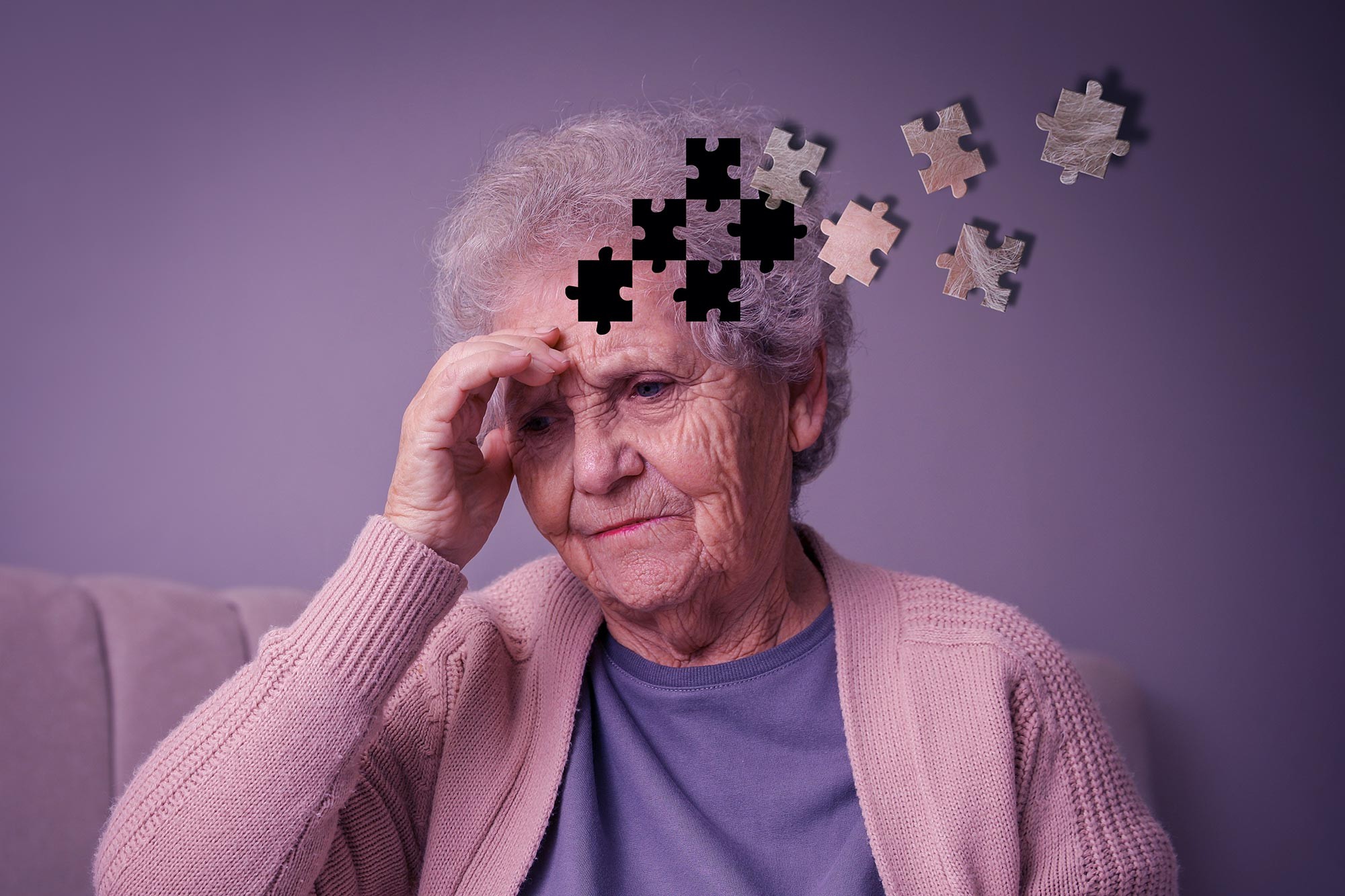
It is not just the sitting.
It is how you sit.
For years the advice was simple. Get up. Move around. Sitting kills you, or so the headlines screamed. But new data suggests a sharper distinction. The threat isn’t necessarily the chair. It’s what happens to your brain while you’re stuck in it.
Passive vs. Active
Most people spend about nine or ten hours a day doing very little physically. This is the new normal.
Previous studies linked this static state to cardiovascular disease, diabetes, depression, and eventually dementia. The logic held together until researchers decided to look closer at the quality of the inactivity.
Mental passivity versus mental activity.
That is the dividing line.
Watching TV for hours falls on one side. Passive. Empty calories for the cortex.
Reading a book or doing office work falls on the other. Active. Even if the body is still, the brain is working.
A 19-year study published in the American Journal of Preventive Medicine makes this case explicit. It challenges the assumption that all sedentary behavior creates equal harm.
The Data
The team tracked 20,819 adults from age 35 to 69 over nearly two decades. They used data from the Swedish National Patient and Cause of Death Registers to track new cases of dementia.
Lead investigator Mats Hallgren notes the key difference lies in neural engagement.
“How we use our brains while we are waiting or sitting appears to be a determinant of future cognitive functioning.”
It is not energy expenditure that matters here. It is cognitive load.
Or the lack thereof.
The models showed clear trends:
– Mentally active sitting lowered dementia risk in middle and older age.
– More time in active tasks reduced risk even if physical activity levels stayed the same.
– Swapping passive sitting (like TV) for active sitting (like reading) dropped the risk profile.
Dr. Hallgren cautions that this is observational.
Correlation is not causation.
But the direction is clear enough to warrant attention. Controlled trials are still needed. They should probably get on it.
Refined Prevention
Global populations are aging.
Dementia remains the third leading cause of death worldwide. Prevention requires specific targets. Vague warnings to “stay active” are losing their potency against the specificity of the data.
The takeaway is not just about exercise.
Exercise is vital. Obviously. But the mind needs food too, even during downtime.
Sitting is unavoidable in modern life. It is ubiquitous.
The variable we can control is the input.
“It is important to remain physically active… but also mentally active.”
So.
Do you really need to stand up every hour? Probably yes.
But maybe the hour you do spend on the couch doesn’t have to be wasted.
Swap the screen for a page.
The brain stays busy. The risk drops.
Or does it?
The study ends without tying the knot tight.
We are still watching the data roll in.
But the suggestion is loud.
Turn off the TV.
Pick up something that requires a thought.