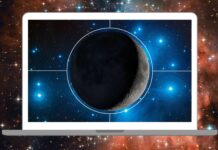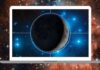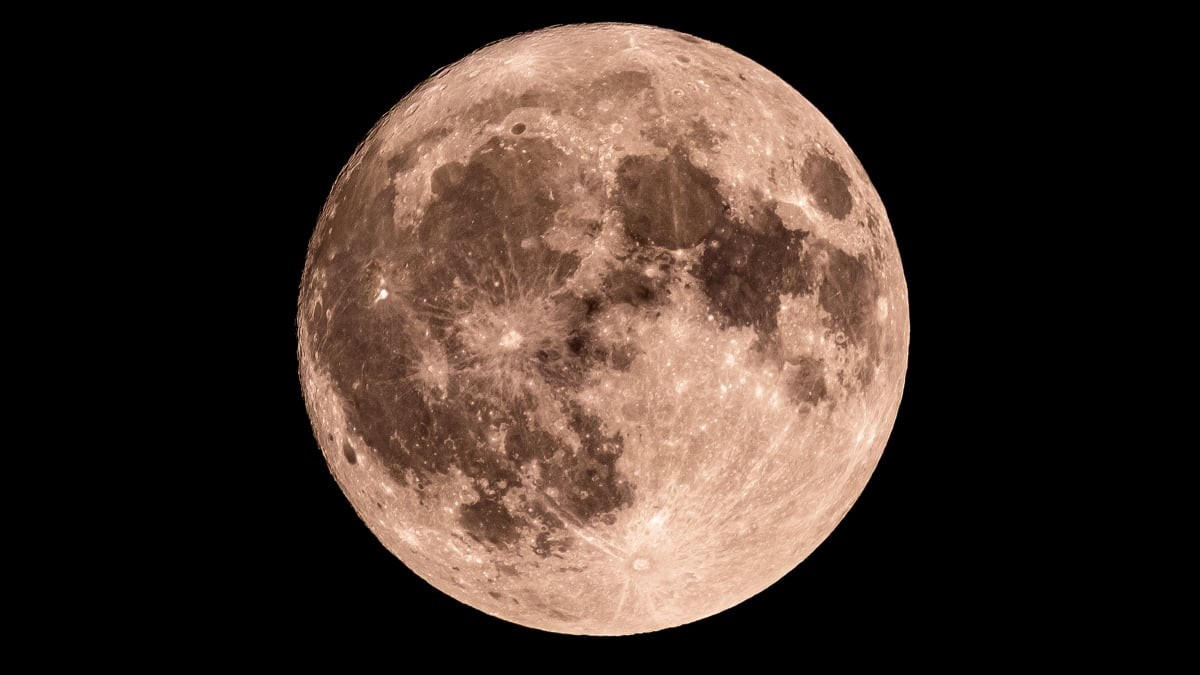
After several days of near-total darkness, the Moon is beginning its gradual return to our night skies. On Sunday, April 19, 2026, we are entering the Waxing Crescent phase, marking the start of a visible brightening cycle that will continue for the next two weeks.
Current Lunar Status
According to NASA’s Daily Moon Guide, only about 5% of the Moon’s surface is illuminated tonight.
Because the light is currently limited to a very thin sliver, observers should not expect to see much detail on the lunar surface. The Moon is currently too dim to reveal craters or mountains; however, its presence is a signal that the lunar cycle is moving toward its next major milestone.
Looking Ahead: The Path to the Full Moon
The “waxing” in Waxing Crescent refers to the Moon’s increasing illumination. Each night, the lit portion will grow larger from the right side (in the Northern Hemisphere) until it reaches its peak.
- Next Milestone: The next Full Moon is expected on May 1, 2026.
- Note for Observers: This will be the first of two Full Moons occurring in the month of May, a phenomenon often referred to as a “Blue Moon” if it is the second full moon in a single calendar month.
How Lunar Phases Work
The changing appearance of the Moon is not caused by the Moon itself changing shape, but by its position relative to the Earth and the Sun. As the Moon orbits our planet—a journey that takes approximately 29.5 days —the amount of its sunlit side visible from Earth shifts.
While we always see the same side of the Moon due to its orbital mechanics, the “phases” represent our changing perspective of its illuminated surface.
The Eight Stages of the Lunar Cycle
To better understand where we are in the cycle, here is a breakdown of the eight distinct phases:
- New Moon: The Moon is positioned between the Earth and the Sun, making its visible side dark and essentially invisible.
- Waxing Crescent: A small sliver of light appears on the right side.
- First Quarter: Exactly half of the Moon appears illuminated on the right side.
- Waxing Gibbous: More than half is lit, but the Moon is not yet a complete circle.
- Full Moon: The entire face of the Moon is illuminated and fully visible from Earth.
- Waning Gibbous: The illuminated portion begins to shrink from the right side.
- Third Quarter: Half of the Moon is lit, but on the left side.
- Waning Crescent: A final thin sliver of light remains on the left before the cycle resets to a New Moon.
The transition from a 5% crescent to a Full Moon is a gradual process of light accumulation that serves as a natural celestial clock for observers on Earth.
Summary: Tonight’s 5% Waxing Crescent marks the beginning of a brightening trend that will culminate in a Full Moon on May 1.