Cells don’t just crank out proteins at a flat, boring rate. They adjust. They adapt. The amount of protein they make decides whether a cell stays flexible like a stem cell or locks into a specific job, like skin or bone.
At the heart of this adjustment is the ribosome. That’s the factory. Inside that factory is ribosomal RNA (rRNA), the core structure that holds everything together and makes it work.
For a long time, scientists treated rRNA like background noise. A static piece of machinery. But researchers led by Stefan H. Stricker from LMU Munich and Helmholtz Munich had a different suspicion. They published in Science recently, showing that rRNA isn’t passive. It’s active. Changing how much you have actually changes what the cell does.
A CRISPR Toggle Switch
We already knew different cells had different rRNA levels. We knew diseased cells often had abnormal amounts. But was that abnormality the cause or just a side effect? Did the disease break the rRNA, or did broken rRNA cause the disease?
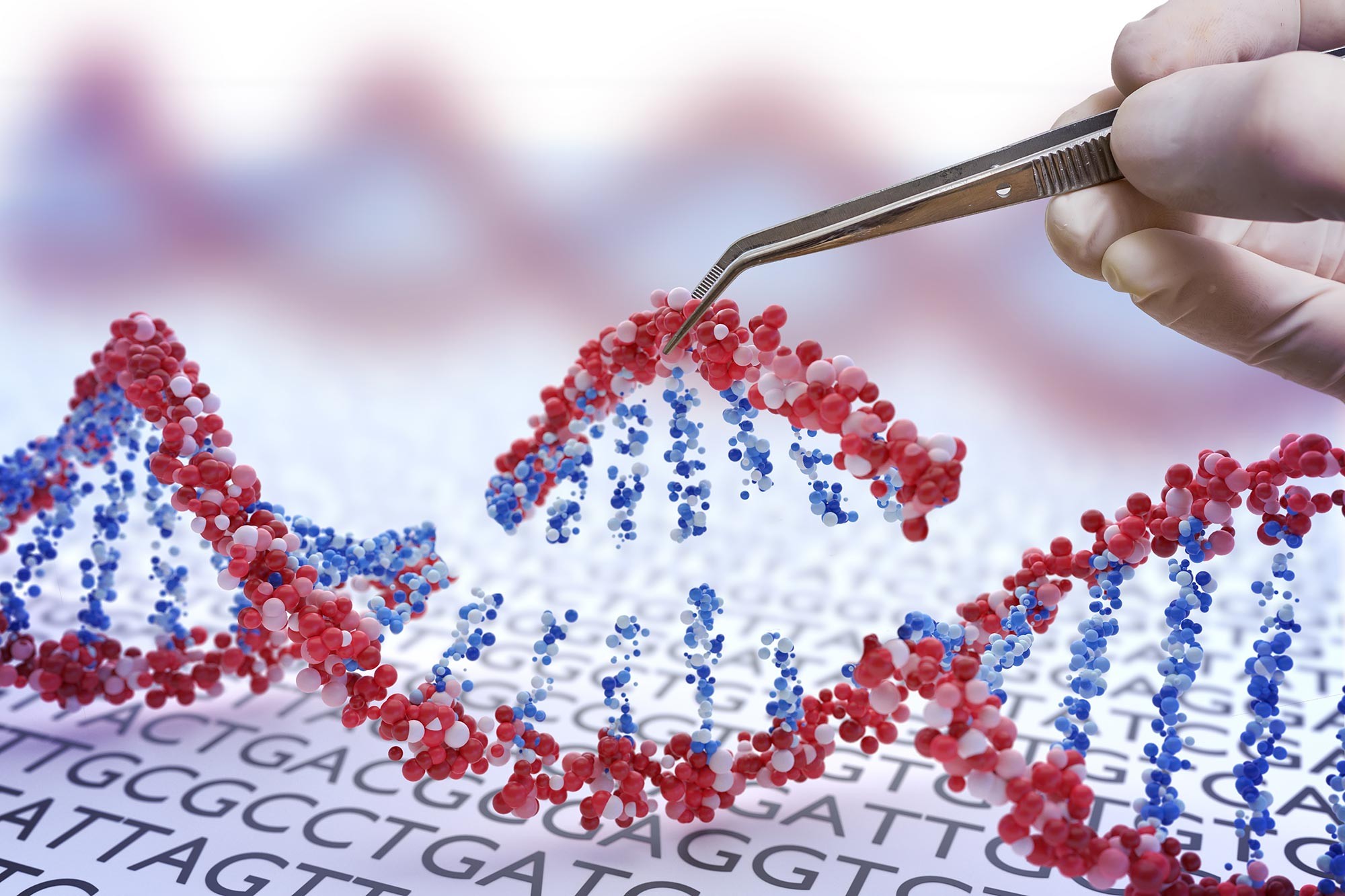
Correlation isn’t causation. So they built a tool. They call it TAPIR (Targeted Activation of Protein translation). It uses CRISPR tech, not to cut genes, but to turn them up. specifically ribosomal genes.
Ribosomes read the genetic manual and build proteins. TAPIR forces the factory to build more assembly lines. More lines means more rRNA. More rRNA means more capacity.
“Targeted activation of rRNA production significantly increases synthetic capacity.”
That was the proof. More rRNA doesn’t just accompany protein production. It drives it.
Same Tool, Opposite Outcomes
Here is where it gets tricky. Biology rarely plays fair with simple fixes.
The team used TAPIR in two very different disease models. The results? Opposite.
First, look at Treacher-Collins syndrome. A rare birth defect causing facial malformations. It’s a ribosomopathy. The ribosomes don’t work right. Too little protein production leads to bad outcomes. In mice with this syndrome, the team turned up the rRNA using TAPIR. It helped. The symptoms eased slightly. It suggests that when the engine is sputtering, more fuel helps.
Then, pancreatic cancer.
Cancer loves to grow. Growth needs protein. So tumors crank out rRNA to feed that hunger. The team used TAPIR to boost rRNA in mouse models of pancreatic cancer.
The tumors grew faster.
Much faster.
Because they pushed the rRNA button before seeing the growth, they proved causation again. High rRNA didn’t just result from cancer. It fed it. It accelerated it.
So… what do we do with this info?
You can’t just blast every cell with more protein machinery. That would help the congenital disorder but feed the cancer.
No One-Size-Fits-All Fix
Stricker sees this as a platform, not a cure. TAPIR helps us understand the mechanism. It shows that controlling protein biosynthesis is key to development and growth—and cancer.
The path forward is nuance. Can we target the boost to the bone cells while starving the tumor? Can we lower production in the tumor while protecting healthy tissue?
That’s the hard part.
The machinery is sensitive. Tweaking it requires precision we are just beginning to develop.