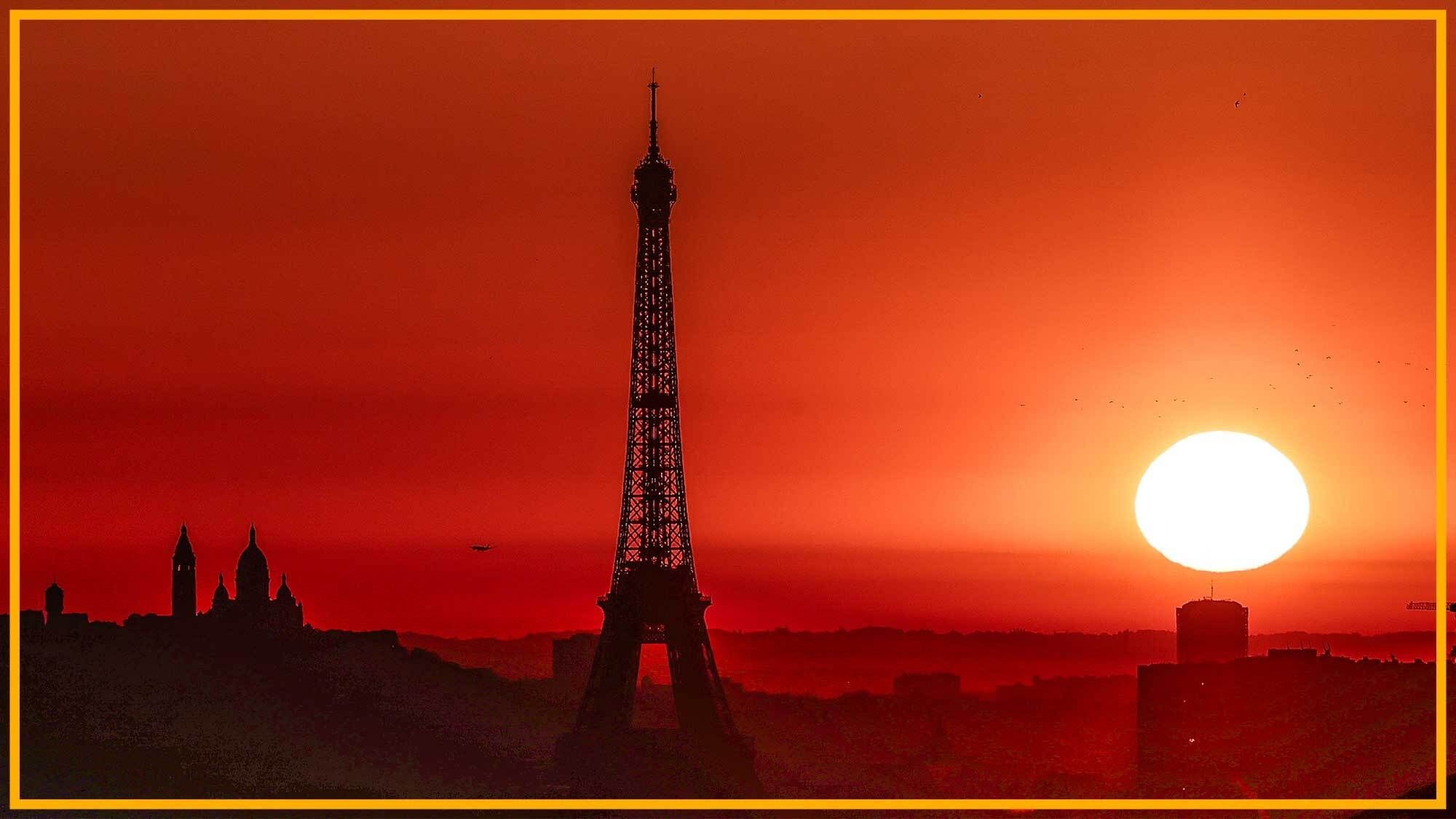
Concrete has its limits. We know this because cities are literally baking.
For the longest time we built urban environments on “gray infrastructure.” Roads move us. Bridges span gaps. Pipes carry water away from our feet. These things matter, obviously, because we engineer them to specific safety standards. We don’t hope a bridge holds up, we design it to do so.
Nature? We just kind of leave it to chance.
June was a warning shot. Europe hit record temperatures, with France alone seeing over 2,000 more deaths than usual. In the U.K., the heat broke hospitals and crashed IT systems. Meanwhile, a heat dome settled over the U.S. Midwest and East Coast, ruining July Fourth celebrations and claiming at least 25 lives.
We are testing the limits of our concrete jungles.
Here is the thing about climate adaptation: we have a solution already. We are just losing it. Not because urban nature doesn’t work, but because we refuse to call it what it is: infrastructure.
My argument is blunt. Trees, parks, wetlands—this should be managed like roads and power lines. Minimum standards. Protection clauses. Maintenance schedules. Right now, there are no such rules, and cities will only get hotter, frailer, and more unequal.
Science backs this up, naturally. Trees cool streets. They soak up floodwater. They store carbon. More importantly, neighborhoods with mature canopy are cooler than those dominated by asphalt. A few degrees drop during a heat wave isn’t about comfort; it is the line between life and heatstroke, especially for kids and the elderly.
The science is solid. The governance is weak.
Cities love to announce planting campaigns. “We will plant one million trees!” Great. But planting a sapling isn’t building a forest. A park exists, but is it biodiverse? A green roof looks nice, until the drought hits and it turns brown.
We measure input, not outcome.
This is the gap. Buildings have codes. Transport has standards. Urban nature? Not so much. Most cities don’t enforce minimum canopy cover, soil quality, or long-term care. The result? Where you live determines if you breathe easy or swelter. Wealthy areas enjoy the shade of established trees; poorer areas face the sun with no protection.
That’s not just bad urban planning. It’s a health crisis.
“We already spend enormous sums responding to… poor air quality and declining public health.”
So we fix it by setting standards. Not arbitrary ones, but scientific ones. Minimum soil volume for roots. Accessible green space targets. Funding for maintenance.
Does your city have money? No. But neither do we have money left to burn after another heatwave collapses our power grid or floods our subway lines.
We already pay for the damage. We pay for higher energy bills. We pay in health care costs.
It’s time to stop viewing nature as decoration.
Trees act as AC units. Wetlands stop floods. Parks build community health. These are working systems, not aesthetic afterthoughts.
Building codes saved cities from collapsing inward. We need that same rigid logic for green space. The resilient cities of tomorrow won’t be the ones with the most seedlings. They will be the ones that treated their trees like essential machinery—protected, maintained, and accountable.
The question isn’t whether we can afford to invest in this.
Can we really afford to wait for the next wave?
Opinion on Live Science offers insight into the critical science issues shaping your world, written by field experts and leading researchers.