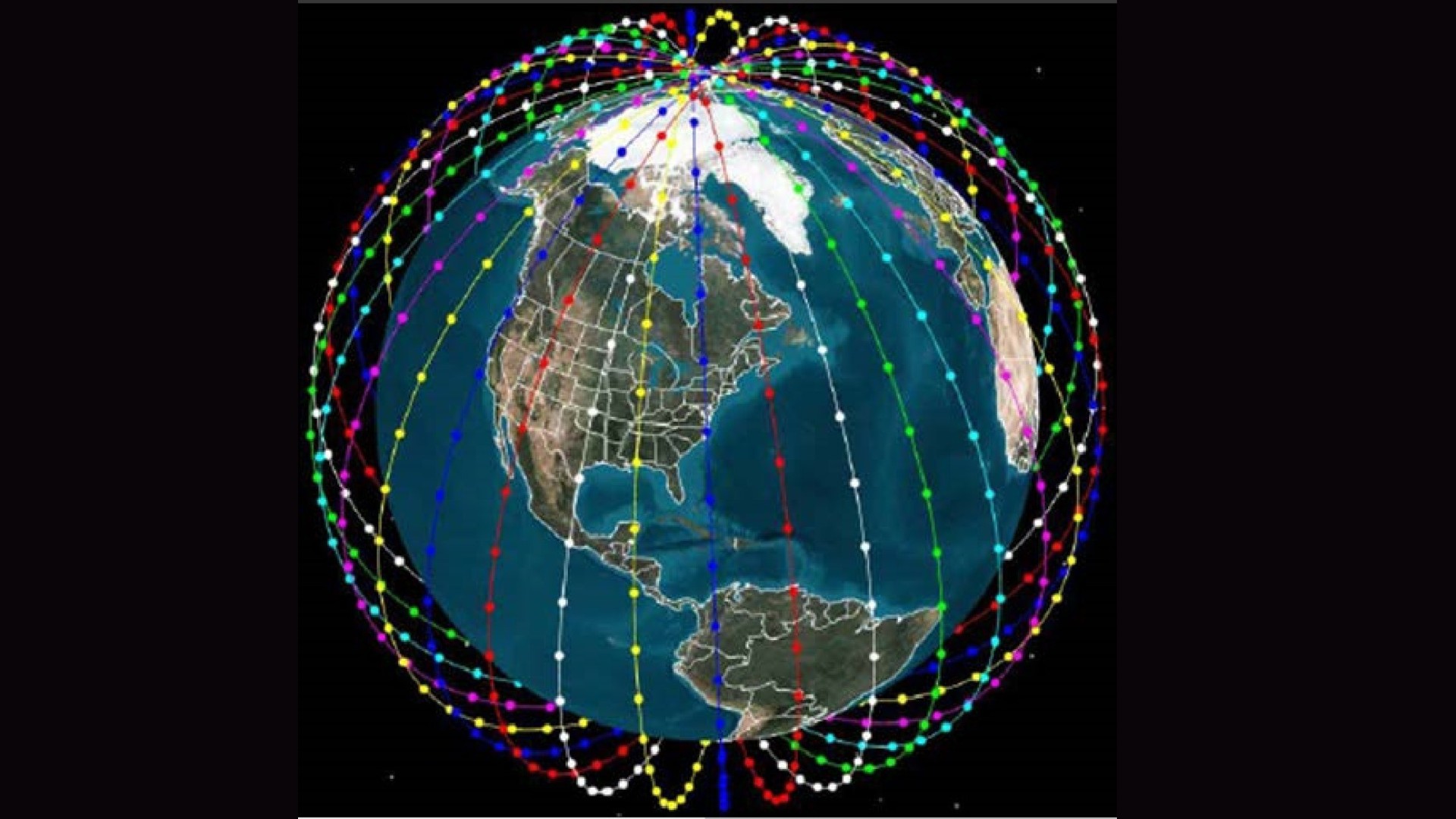
It’s not just about internet access. It’s about chaos.
Environmental and scientific groups are forming a united front. They want federal environmental reviews before the sky gets choked by data centers. We are talking about millions of satellites. Millions.
SpaceX alone wants a license for one million units in low Earth orbit. The Federal Communications Commission is currently handing out these permissions. No environmental impact study required. Just a blank check. A coalition led by the nonprofit Earthjustice says that’s insane.
“Allowing a million orbiting data center… isn’t just irresponsible. It’s reckless.”
Tim Whitehouse of Public Employees for Environmental Responsibility said it plainly on July 8. He’s right. The potential for atmospheric pollution and debris is massive. Wildlife suffers too. These impacts need review before the ink dries.
Space is vast. Sure. But Low Earth Orbit (LEO) isn’t. Currently we have about 15,00 active satellites. Total tracked objects sit around 46,000. That number was already climbing toward 58,000 thanks to Starlink. The proposed data center boom? That doesn’t just raise the number. It explodes it.
Experts warn this expansion hurts life on Earth.
Jan Hasselman at Earthjustice notes agencies must operate within the law. The law demands the FCC consider risks. If they don’t. We sue. Simple.
The FCC has never required an environmental review for LEO deployment. This petition changes that dynamic. The coalition demands a halt on licenses until reviews happen.
What’s the damage?
Collisions. More satellites mean higher crash rates. Debris clouds form. These clouds cause more crashes. A chain reaction. Rocket launches pump greenhouse gases into our air. The satellites burn up later. They release heavy metals. The atmosphere gets dirty. Twice over.
Then there is the sky.
Light pollution changes everything. Ecosystems run on natural rhythms. Bright lights break those rhythms. Bats miss feeding windows. Insects disappear from the food chain. Mountain lions stop roaming. Apex predators get isolated. Populations fragment.
Imagine a night sky blinking with a million new lights. It wouldn’t be dark. It wouldn’t be wild. It would be a server farm.
Ruskin Hartley of DarkSky International is worried about permanent damage. The FCC has an obligation to protect dark skies. They need to take it seriously. Or they risk losing control of the environment entirely.
We look up and see less of the universe every year. Why keep making it worse?