Playthings used to be humble things. A stick. A carved block. Something you found in the yard or the pantry. A century ago, a toy was just a toy. It didn’t need a marketing budget. It didn’t need a movie deal. The goal was simple: fun.
Fast forward to today, and that’s changed entirely. Toys are the spark plug for massive entertainment empires. They drive TV shows. They fund blockbuster films. They spawn endless lines of merchandise. It’s no longer about the plastic in your hand. It’s about the IP attached to it.
Some of the biggest brands in history started with modest sales and small risks. These aren’t just stories about selling plastic. They’re blueprints for how a simple idea becomes a global phenomenon. Here is how five specific toys went from shelf-sitters to cultural juggernauts.
10: My Little Pony
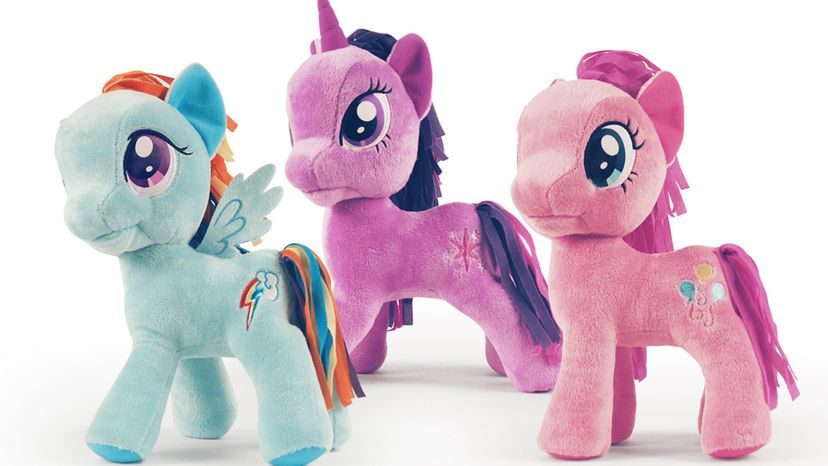
Hasbro didn’t invent the pony. Mattel did. The earliest versions hit the market in the 1980s. Sales were modest at first. In 1983, they brought in $25 million. Respectable. But not yet a empire.
The shift happened in 1984. Mattel released the first animated special. Sales tripled overnight. $85 million. The momentum didn’t stop there. By 1985, annual toy sales topped $100 million. The real explosion came in 1986 with the animated series. Pastel horses flew off shelves. By the end of the decade, more than 150 million units had been sold.
The franchise survived many revivals. But it found its true peak with the 2010 release of My Little Pony: Friendship is Magic. Adults returned to the fold. New fans joined in. The appeal crossed generations.
By 2013, there were over 200 licensed products. Friendship is Magic became one of Hasbro’s top earners. The success was so profound that a theatrical film was scheduled for 2017. It went from a niche toy line to a global brand that still commands attention.
9: Cabbage Patch Kids
Xavier Roberts was only 21 when he started. A student. An artist. He began selling handmade dolls at craft fairs in the late 1970s. He called them Little People.
The concept was different. Personalized. Each doll had its own birth certificate. Roberts eventually moved operations to Babyland General Hospital in Cleveland, Georgia. The dolls caught the eye of Coleco. Mass production began.
The result was chaos. Cabbage Patch Kids became the hottest toy on the planet. Christmas seasons were marked by fights in toy stores. Parents clashed over the last doll. It was a cultural phenomenon driven by scarcity and emotion.
Coleco sold more than 3 million units in 1983. By 1985, annual sales exceeded $600 million. That’s a staggering number for the mid-80s.
Demand cooled eventually. But the brand didn’t die. It adapted. As of 2014, sales still hit $50 million a year. You can still visit Babyland General Hospital to watch a doll being “born.” The legacy of that 21-year-old student remains intact.
8: G.I. Joe
Hasbro introduced G.I. Joe in 1964. It was a 12-inch action figure. Realistic. Military-themed. By 1966, the line accounted for two-thirds of the company’s profits. It was the backbone of Hasbro’s success.
Interest waned. Sales dropped. Hasbro pulled the plug in the late 1970s. The line was dead.
Then came the early 80s. The toy landscape had changed. Star Wars action figures were dominating stores. They were smaller. Hard plastic. Collectible. Hasbro saw the opportunity.
They brought G.I. Joe back. Smaller. Harder plastic. Cheaper to produce. But this time, they didn’t just sell toys. They sold a world. A cartoon series launched simultaneously. The show drove the sales. The sales funded the show. It was a feedback loop that worked perfectly.
G.I. Joe has been in continuous production for over 30 years. The franchise expanded beyond plastic. In 2009, the first film grossed over $300 million worldwide. The 2013 sequel pulled in another $375 million. It started as a doll. It ended as a media empire.
The pattern is clear. Toys are no longer just objects. They are the entry point. The rest of the money comes from what happens after you buy the box.
From Greeting Cards to Billions: The Care Bears Phenomenon
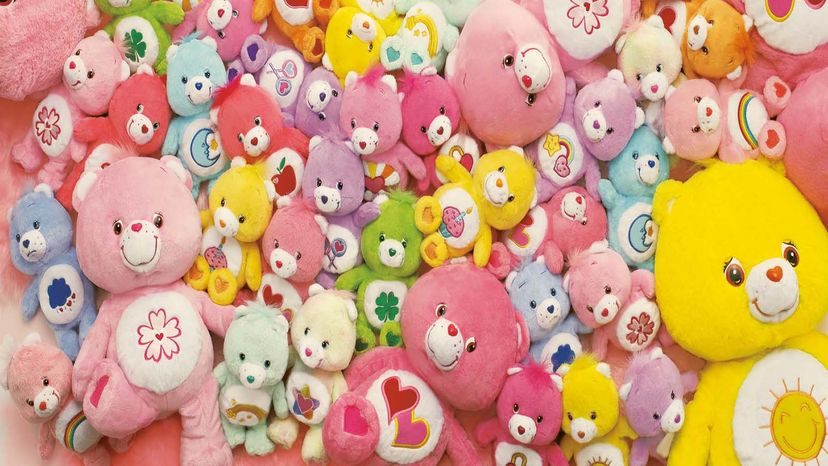
It’s easy to forget that the Care Bears didn’t start as a global toy empire. They began as a solution for a specific problem: how to make greeting cards stand out in the early ’80s. American Greetings designed the characters specifically for paper goods. It wasn’t until 1982 that the company realized these fuzzy, heart-emblazoned plushies had legs in the toy market.
The result was explosive. A launch of just 10 plush bears hit store shelves and immediately captivated kids. The financial numbers are staggering. Within five years, retail sales for the Care Bears line topped $2 billion. That’s not a typo. The animated feature film in 1985 and the subsequent TV series didn’t just support the brand; they supercharged it. By 1987, over 40 billion bears had left store shelves. The franchise has maintained its relevance for more than three decades, a rare feat in the ever-changing toy landscape.
Hot Wheels: Diecast Dominance Since 1968
Mattel entered the fray in 1968 with Hot Wheels. At the time, Matchbox held the crown for miniature diecast cars. Mattel didn’t just compete; they dethroned the incumbent. Hot Wheels was an instant hit, leveraging cool factor and speed to capture the imagination of a generation.
A 1969 animated series kept the momentum going, but it was the toys themselves that drove the numbers. Over four decades, Mattel sold more than 4 billion cars. The cultural impact extends beyond the playground. Collectors view these metal icons as serious assets, with rare sets commanding prices over $1 million. The brand’s longevity even reached Hollywood. In 2013, Legendary Pictures hired director Simon Crane to develop a live-action movie, proving the IP still has the juice to translate to the big screen.
Teenage Mutant Ninja Turtles: From Indie Comic to Billion-Dollar Franchise
The origin story of the Teenage Mutant Ninja Turtles (TMNT) is pure comic book serendipity. Two fans created the first issue in 1983. They expected a niche run. They didn’t expect to birth a toy juggernaut. The comic’s rapid sales caught the eye of Playmates Toys.
Playmates launched a five-part mini-series in 1987. It worked. The pizza-loving turtles were an easy sell. Action figures followed quickly. Over four years, Playmates raked in over $1 billion in turtle toy sales. They released more than 400 different action figures over the next decade alone. The cartoon expanded into a full series that ran until 1996, cementing the characters in pop culture lore.
The film adaptations did the heavy lifting for new generations. The 1990 live-action movie grossed $200 million. The 2014 reboot made nearly $100 million in its opening weekend. Each era brought fresh eyes to the franchise. The toys followed suit. The turtles are still in the shell, and the sales figures prove they’re still drawing the crowds.
4: Lego
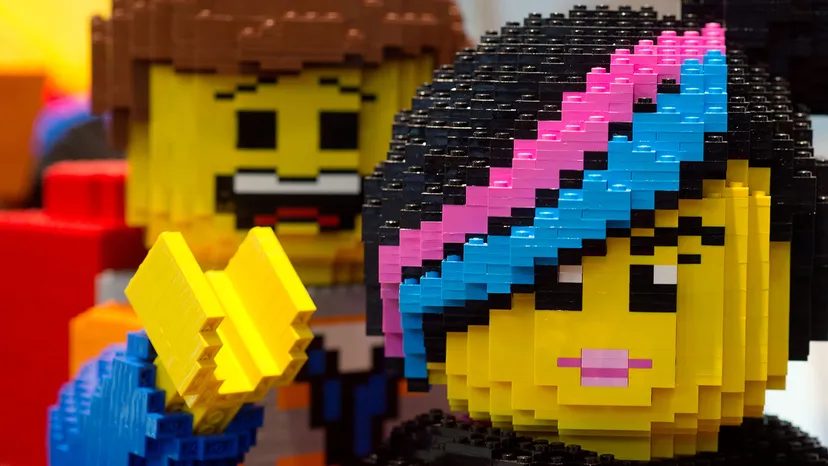
Ole Kirk Christiansen started as a humble carpenter. He took a risk in the 1940s by buying a plastic injection molding kit. Nobody saw it coming. Nobody imagined his small shop would eventually compete with giants like Mattel and Hasbro. The road wasn’t smooth. The company nearly went under in the 1990s. But they survived. And then they exploded.
By 2013, Lego was raking in $4.6 billion in toy sales. That number is staggering. It wasn’t just about plastic bricks, either. A 2014 animated movie pulled in $69 million on its opening weekend alone. Families are flocking to half a dozen Lego theme parks worldwide. They want to build their own worlds. The simple block became a global empire.
3: Monster High
Usually, the movie hits first. The toy line follows. You see it with Mickey Mouse dolls. You see it with the massive Frozen merchandise spike after that 2013 Disney hit. Mattel decided to flip the script in 2010 with Monster High. They made the toys first. Then they built the TV series around them. It was a huge gamble. There was no existing IP to lean on.
The dolls—a weird, wonderful mix of Bratz aesthetics and classic Universal monsters—became the must-have gift for Christmas 2010. The risk paid off. By 2013, the brand was generating over $500 million in annual sales. Webisodes and TV specials cemented the brand. They turned a toy line into a top-tier franchise in just a few years.
2: Transformers
Hasbro didn’t create Transformers from scratch. They bought the rights to a Japanese robot line in 1984. The toys were obscure before that deal. Hasbro then dropped a comic book series and an animated show to push sales. The show was a hit. It ran through 1987. It made “robots in disguise” the defining toy of the ’80s.
The franchise slept for a while. Then Michael Bay woke it up in 2007. The live-action film launched in theaters that same year. Toy sales jumped to $482 million instantly. More sequels followed. Each one came with its own merch line. The fourth film, Age of Extinction, hit the $1 billion mark globally in 2014. That is a serious return on investment for a 30-year-old toy concept.
1: Barbie
Ruth Handler introduced Barbie in 1959. She looked simple. A teenage fashion model in a black and white bikini. Nothing fancy. But the business side was sharp. By the 1960s, the Barbie name was licensed to more than 100 companies. It wasn’t just a doll; it was a brand ecosystem.
Now, over 50 years later, Barbie is untouchable. It spans more than 45 product categories. Clothes. Video games. Branded stores. It sits at the No. 1 spot for doll brands globally. One Barbie sells every three seconds somewhere on Earth. In 2014, the brand pulled in $3 billion. Sony was even in talks for a live-action movie. The plastic icon shows no signs of slowing down.