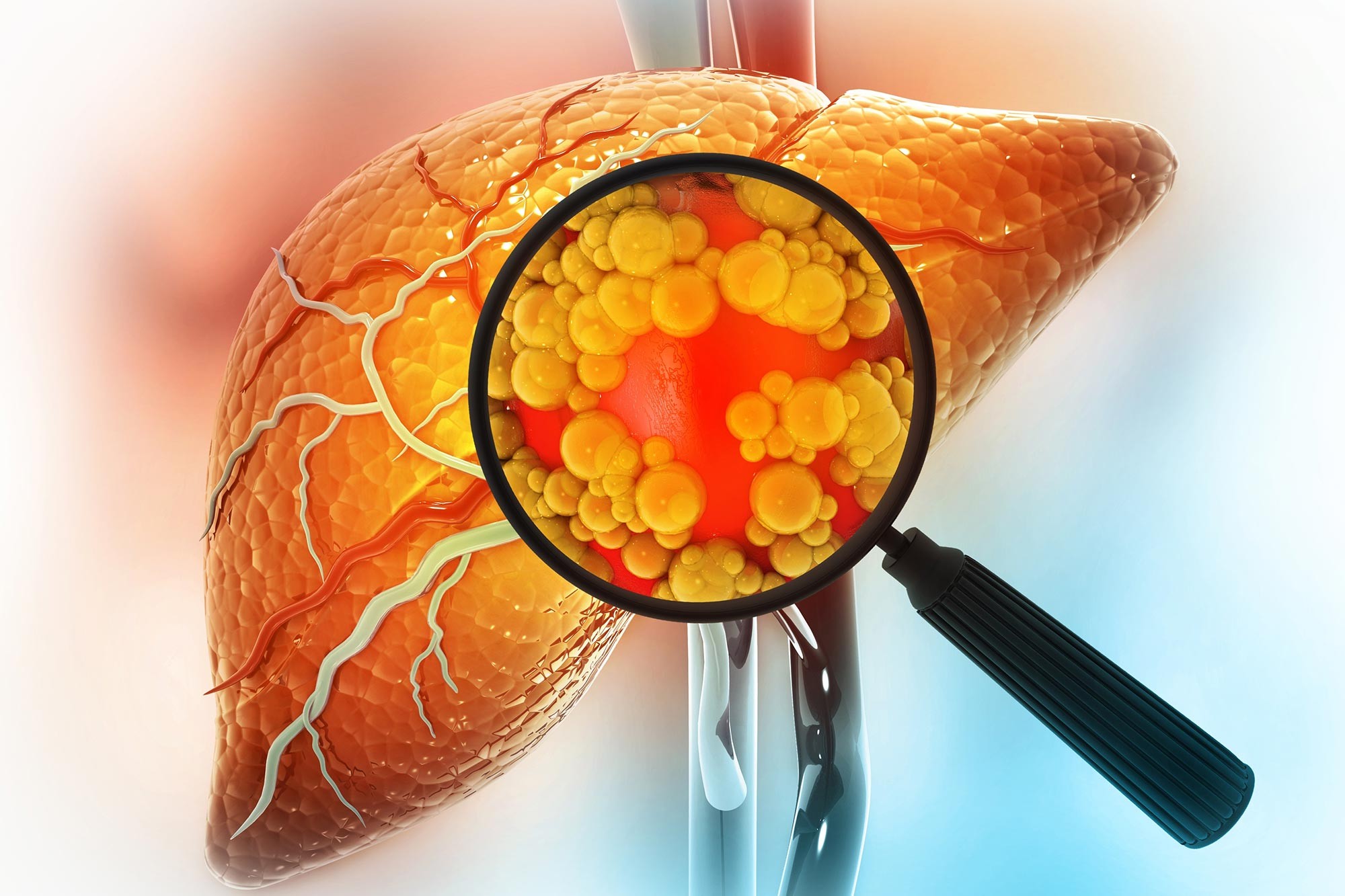
MASH is bad.
Really bad. It turns your liver into a storage tank for fat, scar tissue follows, and before you know what’s happening, you’re looking at transplants or worse. It’s becoming one of the world’s most common killers.
But here is a twist nobody saw coming.
A standard asthma drug. Formoterol.
The stuff doctors have prescribed for decades to help people breathe easier with COPD and wheezing. It might just fix the liver too.
Researchers at the Medical University of Southern Carolina were actually looking at kidneys.
Specifically, diabetic kidney injury in mice. They wanted to see if formoterol—a beta-2 adrenergic recipient agonist, if you need to get technical—could stop diabetes from wrecking the organs.
It worked on the kidneys.
But then they checked the livers.
The mice on the drug didn’t just keep their liver fat under control. They lost it.
The damage reversed.
“Kind of unexpectedly, we find that the liver damage also reversed.”
Dr. Joshua Lipschutz runs the nephrology division at MUSC and co-led this study along with Dr. Jessica Hartman. The PhD students Brennan Winkler and Kristina Stayer drove a lot of this early work.
Mitochondria Wake Up
Why does it happen?
The team thinks the drug hits the gas pedal on cellular energy production. Specifically, it boosts mitochondrial biogenesis. Your cells start building more mitochondria. These power plants rev up. They burn fuel better.
Fat goes down. Injury goes away.
Lipschutz put it bluntly. Existing drugs for related conditions? They slow things down. They put the brakes on decay. They don’t fix what’s broken. This drug actually turned the tissue back to normal at the histologic and functional levels.
Did the human data back this up?
Kind of.
The team looked at medical records of people already taking these beta-agonist inhalers for breathing problems. Those patients had fewer liver deaths. Less cirrhosis. Better survival rates overall. It’s a correlation. Not proof. But it’s a loud hint.
Two Birds One Stone
Right now, there are only two approved drugs for MASH: resmetirom and semagulide. They help, sure. But the benefits are modest, and the side effects aren’t exactly gentle.
Formoterol has been on shelves for years. We know its safety profile. If this holds up in people, it could move through trial phases fast. Repurposing a safe drug is a dream scenario. No reinventing the wheel. Just turning the key in a different lock.
Lipschutz is currently running a trial with diabetic kidney disease patients. Why there?
Because more than 60% those patients also have fatty livers. Same root cause. Same metabolic mess.
“It’s a two-for-one study.”
Catch-22
So can you call your doctor tomorrow?
Not quite.
Mouse models lie. Often. What works in a rodent on a high-fat lab diet might flop completely in a human drinking coffee and eating bad takeout. We still don’t know the right dose. We don’t know if inhaling it into your lungs reaches your liver in significant enough concentrations to do any good.
And let’s not ignore risk. No drug is benign. Anything potent enough to heal is also capable of harm. Lipschutz warns this himself to patients.
But if the trials stick? If the association in human data proves to be causal? We could be looking at an off-the-shelf fix for a disease that has been spiraling alongside our global obesity rates.
Inexpensive. Available. Potentially transformative.
Or nothing at all.
We’ll wait for the human trials.