AstraZeneca is doing something most Western pharma giants are too scared to admit. They are trying to think and act like their Chinese competitors.
The goal? Survival.
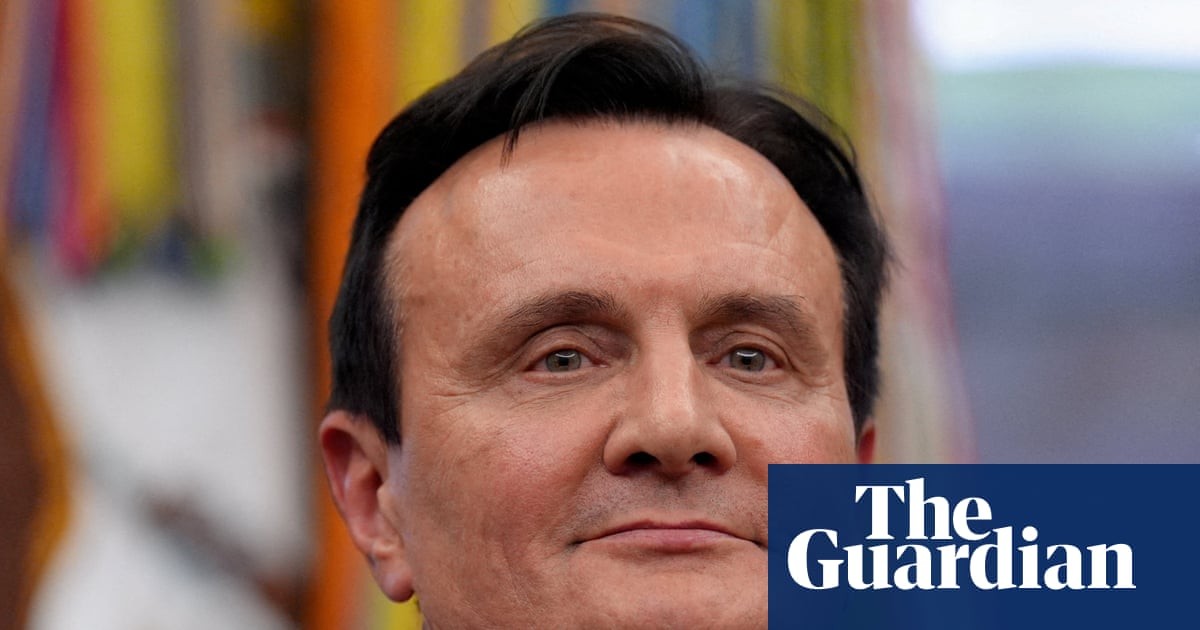
Pascal Soriot, the company’s CEO, isn’t mincing words. He wants AstraZeneca to operate at what he calls “Chinese speed.” Why? Because if they don’t, they’ll end up like the Western automotive industry. Slow. Stuck with petrol engines. Watching electric giants steal the show.
It’s a stark warning.
The FTSE 100 firm is watching China’s pharmaceutical rise with intense interest. They’re collaborating on global drug markets, but Soriot believes the real lesson is about velocity. US and European pharma sectors are lagging. They need to move faster.
“We always talk about Chinese speed in our company,” Soriot told reporters. “We want to operate in Chinese speed.”
The numbers back the ambition
This isn’t just fear-mongering. It’s backed by cold, hard cash targets.
AstraZeneca is confident it will hit its 2030 growth goals. They expect annual sales to hit $80bn. That’s up significantly from the $59bn they pulled in last year. In the first half of 202 alone, revenues hit £30.7bn. That’s a 6% jump from the same period the year before, adjusted for exchange rates.
The pipeline? Soriot calls it “unmatched.”
It’s on track for that 2030 mark. And beyond.
Sure, Wainua—a major heart disease candidate—failed in clinical trials earlier this month. Ouch. But Soriot shrugs it off.
“We have to accept to fail some of time,” he said. “Biology is biology。”
Failure is part of the process. Speed is part of the strategy.
Copying the car industry mistake
Soriot uses the car industry as a cautionary tale. Western companies focused on combustion engines for decades. They played it safe. Chinese companies bet everything on electric vehicles and batteries. They dominated the future while the West argued about the present.
Pharma is facing the same inflection point.
Chinese firms are investing heavily in novel tech. Things like antibody drug conjugates. These deliver chemo agents directly to cancer cells. Or cell therapy. Live cells injected into the body to fight disease.
It’s a different approach. A faster one.
Soriot says European and US pharma must wake up to the potential challenge. It’s not coming. It’s here.
AI won’t steal your job
Here’s a twist. Soriot thinks AI will save jobs, not kill them.
He’s heard the hype. The stories about automation wiping out pharma roles. He thinks it’s “a bit of a fake story.”
In his experience, AI makes him faster. Smarter. It helps with drug design. Trial protocols. Productivity goes up.
“Economic growth,” he argues. Not fewer people. Just smarter people doing more in less time.
He sees AI as an accelerator for innovation, not a replacement for the innovators.
The political minefield
Then there’s the UK deal.
AstraZeneca needs clarity on a agreement with the US that could cost the NHS billions more. Trump threatened tariffs to get it signed. Analysts warn it could lead to 229000 excess deaths in England due to reduced NHS spending.
It’s messy.
Soriot says it’s too early to tell if Andy Burnham, the new UK leader, will change things. The deal was struck under pressure.
“We need to understand their priorities,” Soriot noted. “You have to establish your priorities, and then fund them。”
He’s talking to the government. Seeking clarity. It’s a delicate dance between profit, policy, and public health.
The message from AstraZeneca’s top is clear. The West can’t rest on its laurels. China is moving fast. Investing in new tech. Winning the race for what comes next.
If you stay slow, you stay irrelevant.
Soriot is betting on speed. On biology. On AI that helps rather than harms. And on a political landscape that’s shifting beneath his feet.
Whether “Chinese speed” can beat the legacy power of the West remains the real question. But AstraZeneca isn’t waiting to find out. They’re running.